



Gifting Made Simple
Give the Gift of ChoiceClick below to purchase a Bramalea City Centre eGift Card that can be used at participating retailers at Bramalea City Centre.Purchase HereHome
Zanzibar Was a Country: Exile and Citizenship between East Africa the Gulf
Coles
Loading Inventory...
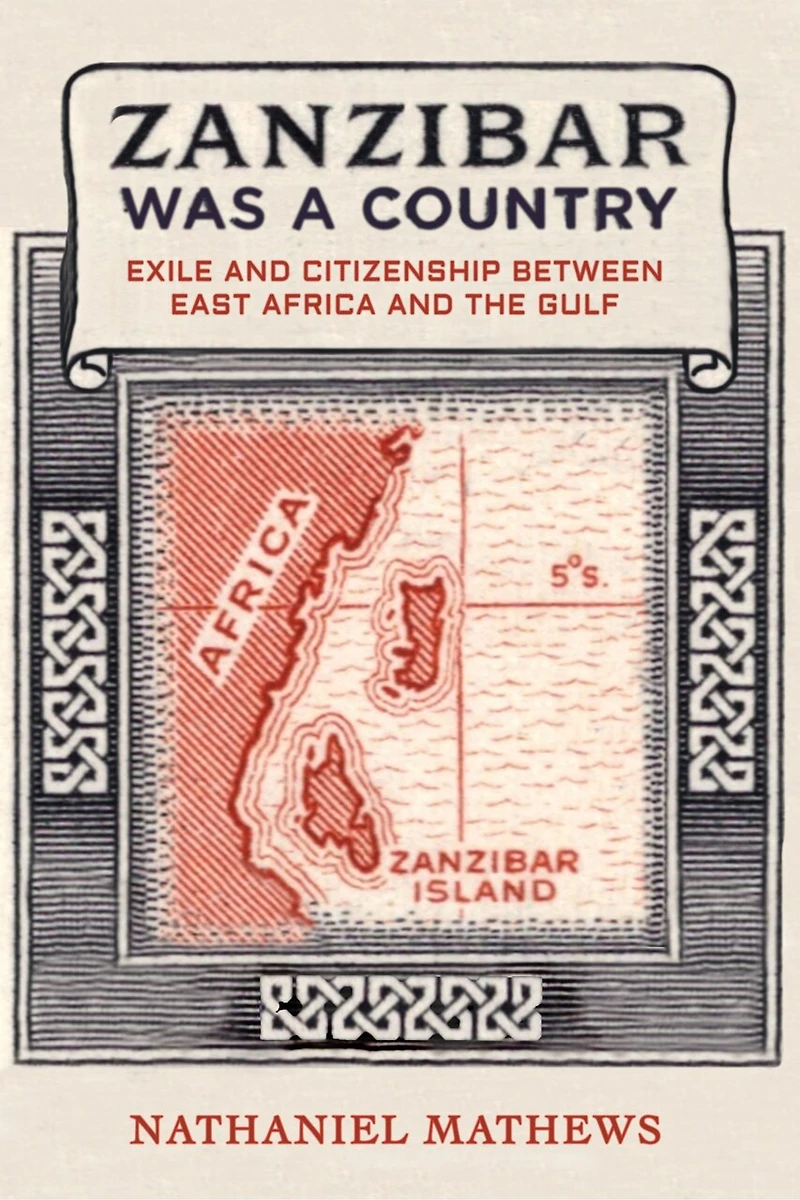
Zanzibar Was a Country: Exile and Citizenship between East Africa the Gulf in Brampton, ON
Current price: $122.46
Coles
Zanzibar Was a Country: Exile and Citizenship between East Africa the Gulf in Brampton, ON
Current price: $122.46
Loading Inventory...
Size: Hardcover
*Product information and pricing may vary - to confirm current pricing, availability, shipping, and return information please contact Coles. In the event of a pricing discrepancy, the retailer's price will apply.
Zanzibar Was a Country traces the history of a Swahili-speaking Arab diaspora from East Africa to Oman. In Oman today, whole communities in Muscat speak Swahili, have recent East African roots, and practice forms of sociality associated with the urban culture of the Swahili coast. These "Omani Zanzibaris" offer the most significant contemporary example in the Gulf, as well as in the wider Indian Ocean region, of an Afro-Arab community that maintains a living connection to Africa in a diasporic setting. While they come from all over East Africa, a large number are postrevolution exiles and emigrés from Zanzibar. Their stories provide a framework for the broader transregional entanglements of decolonization in Africa and the Arabian Gulf. Using both vernacular historiography and life histories of men and women from the community, Nathaniel Mathews argues that the traumatic memories of the Zanzibar Revolution of 1964 are important to nation-building on both sides of the Indian Ocean.
Zanzibar Was a Country traces the history of a Swahili-speaking Arab diaspora from East Africa to Oman. In Oman today, whole communities in Muscat speak Swahili, have recent East African roots, and practice forms of sociality associated with the urban culture of the Swahili coast. These "Omani Zanzibaris" offer the most significant contemporary example in the Gulf, as well as in the wider Indian Ocean region, of an Afro-Arab community that maintains a living connection to Africa in a diasporic setting. While they come from all over East Africa, a large number are postrevolution exiles and emigrés from Zanzibar. Their stories provide a framework for the broader transregional entanglements of decolonization in Africa and the Arabian Gulf. Using both vernacular historiography and life histories of men and women from the community, Nathaniel Mathews argues that the traumatic memories of the Zanzibar Revolution of 1964 are important to nation-building on both sides of the Indian Ocean.
You May Also Like









Find at Bramalea City Centre in Brampton, ON
Visit at Bramalea City Centre in Brampton, ON