



Gifting Made Simple
Give the Gift of ChoiceClick below to purchase a Bramalea City Centre eGift Card that can be used at participating retailers at Bramalea City Centre.Purchase HereHome
Youth Development Identity Societies: Paradoxes of Purpose
Coles
Loading Inventory...

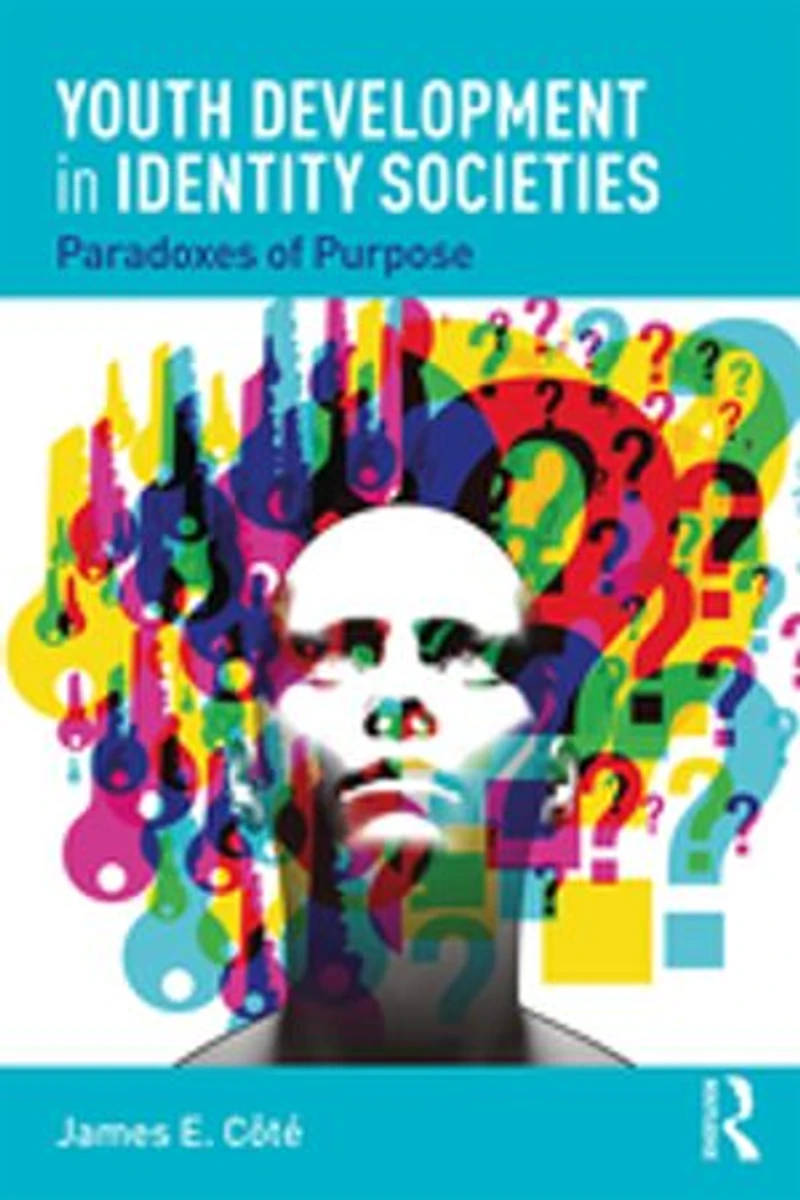

Youth Development Identity Societies: Paradoxes of Purpose in Brampton, ON
Current price: $296.50
Coles
Youth Development Identity Societies: Paradoxes of Purpose in Brampton, ON
Current price: $296.50
Loading Inventory...
Size: Hardcover
*Product information and pricing may vary - to confirm current pricing, availability, shipping, and return information please contact Coles. In the event of a pricing discrepancy, the retailer's price will apply.
This book explores the causes and consequences of the contradictions in young people's lives stemming from the affluence-purpose paradox : a lack of purpose-in-life among many of those living in the most affluent societies in human history. This paradox is endemic to identity societies where people experience a choice-contingent life course, and is examined using an interdisciplinary approach-largely with an integration of developmental psychology and sociology, but also using historical, anthropological, economic, and political perspectives. The transition to adulthood is now commonly a prolonged process, with young people facing a number of psychological challenges and sociological obstacles in their identity formation. Challenges include difficulties in making prudent choices about goals. Obstacles involve cross-pressures in the wider society as well as in educational institutions. Consequently, many youth experience their education as alienating and stressful rather than as an opportunity for personal development. Those without a sense of purpose have more difficulties with their identity formation that can produce symptoms of anxiety and depression. The current student mental health crisis is examined in this context. An additional challenge is an ambiguously defined adulthood. Young people who are confused about appropriate adult roles often value hedonistic activities rooted in narcissism and materialism rather than in more fulfilling long-term goals. Conversely, those who are agentic in their personal development can thrive in adulthood, especially when they combine agency with generativity. This book ends with a series of recommendations for researchers and policy makers to help youth cope with the affluence-purpose paradox .
This book explores the causes and consequences of the contradictions in young people's lives stemming from the affluence-purpose paradox : a lack of purpose-in-life among many of those living in the most affluent societies in human history. This paradox is endemic to identity societies where people experience a choice-contingent life course, and is examined using an interdisciplinary approach-largely with an integration of developmental psychology and sociology, but also using historical, anthropological, economic, and political perspectives. The transition to adulthood is now commonly a prolonged process, with young people facing a number of psychological challenges and sociological obstacles in their identity formation. Challenges include difficulties in making prudent choices about goals. Obstacles involve cross-pressures in the wider society as well as in educational institutions. Consequently, many youth experience their education as alienating and stressful rather than as an opportunity for personal development. Those without a sense of purpose have more difficulties with their identity formation that can produce symptoms of anxiety and depression. The current student mental health crisis is examined in this context. An additional challenge is an ambiguously defined adulthood. Young people who are confused about appropriate adult roles often value hedonistic activities rooted in narcissism and materialism rather than in more fulfilling long-term goals. Conversely, those who are agentic in their personal development can thrive in adulthood, especially when they combine agency with generativity. This book ends with a series of recommendations for researchers and policy makers to help youth cope with the affluence-purpose paradox .
You May Also Like













Find at Bramalea City Centre in Brampton, ON
Visit at Bramalea City Centre in Brampton, ON