



Gifting Made Simple
Give the Gift of ChoiceClick below to purchase a Bramalea City Centre eGift Card that can be used at participating retailers at Bramalea City Centre.Purchase HereHome
Young China: National Rejuvenation and the Bildungsroman, 1900-1959
Coles
Loading Inventory...
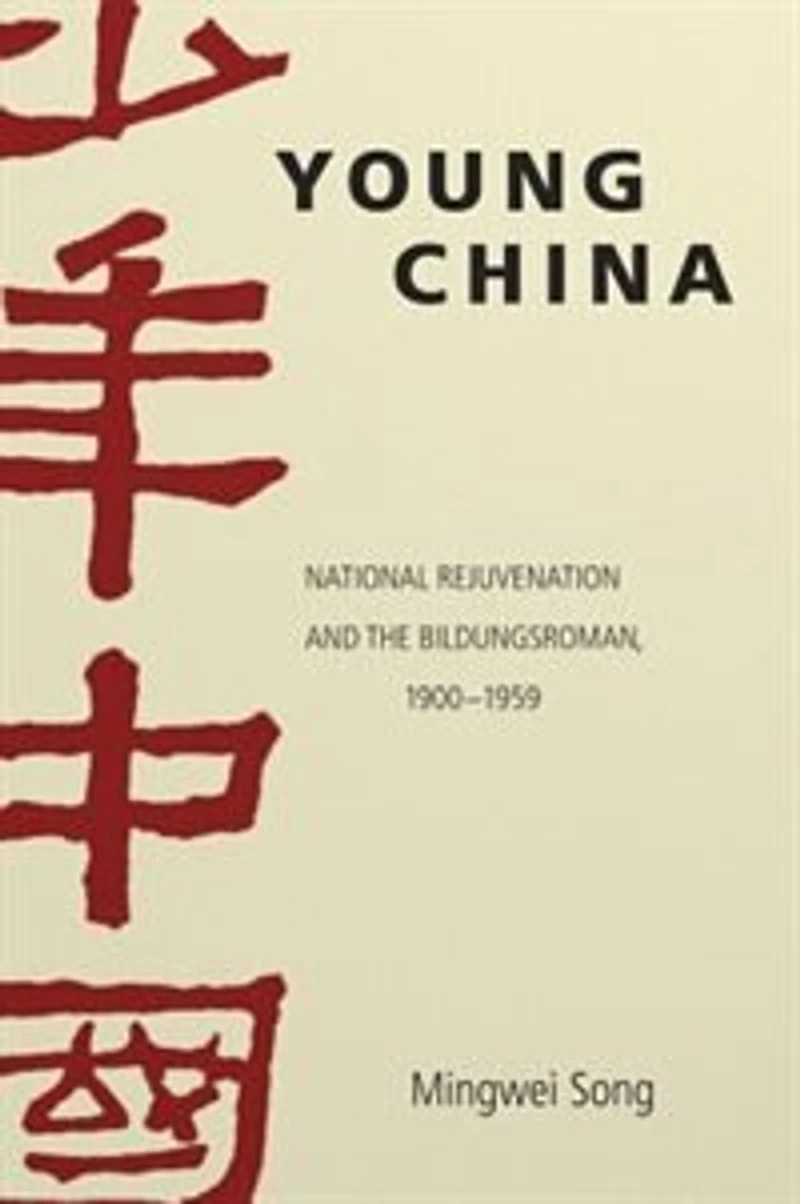
Young China: National Rejuvenation and the Bildungsroman, 1900-1959 in Brampton, ON
By None
Current price: $65.95
Coles
Young China: National Rejuvenation and the Bildungsroman, 1900-1959 in Brampton, ON
By None
Current price: $65.95
Loading Inventory...
Size: Hardcover
*Product information and pricing may vary - to confirm current pricing, availability, shipping, and return information please contact Coles. In the event of a pricing discrepancy, the retailer's price will apply.
The rise of youth is among the most dramatic stories of modern China. Since the last years of the Qing dynasty, youth has been made a new agent of history in Chinese intellectuals’ visions of national rejuvenation through such tremendously popular notions as “young China” and “new youth.” The characterization of a young protagonist with a developmental story has also shaped the modern Chinese novel. Young China takes youth as a central literary motif that was profoundly related to the ideas of nationhood and modernity in twentieth-century China. A synthesis of narrative theory and cultural history, it combines historical investigations of the origin and development of the modern Chinese youth discourse with close analyses of the novelistic construction of the Chinese Bildungsroman , which depicts the psychological growth of youth with a symbolic allusion to national rejuvenation. Negotiating between self and society, ideal and action, and form and reality, such a narrative manifests as well as complicates the various political and cultural symbolisms invested in youth through different periods of modern Chinese history. In this story of young China, the restless, elusive, and protean image of youth both perpetuates and problematizes the ideals of national rejuvenation.
The rise of youth is among the most dramatic stories of modern China. Since the last years of the Qing dynasty, youth has been made a new agent of history in Chinese intellectuals’ visions of national rejuvenation through such tremendously popular notions as “young China” and “new youth.” The characterization of a young protagonist with a developmental story has also shaped the modern Chinese novel. Young China takes youth as a central literary motif that was profoundly related to the ideas of nationhood and modernity in twentieth-century China. A synthesis of narrative theory and cultural history, it combines historical investigations of the origin and development of the modern Chinese youth discourse with close analyses of the novelistic construction of the Chinese Bildungsroman , which depicts the psychological growth of youth with a symbolic allusion to national rejuvenation. Negotiating between self and society, ideal and action, and form and reality, such a narrative manifests as well as complicates the various political and cultural symbolisms invested in youth through different periods of modern Chinese history. In this story of young China, the restless, elusive, and protean image of youth both perpetuates and problematizes the ideals of national rejuvenation.
You May Also Like










More About Coles at Bramalea City Centre
Making Connections. Creating Experiences. We exist to add a little joy to our customers’ lives, each time they interact with us.
Store Info
Find Coles at Bramalea City Centre in Brampton, ON
Visit Coles at Bramalea City Centre in Brampton, ON