



Gifting Made Simple
Give the Gift of ChoiceClick below to purchase a Bramalea City Centre eGift Card that can be used at participating retailers at Bramalea City Centre.Purchase HereHome
Xenophon’s ›Anabasis‹ and its Reception
Coles
Loading Inventory...
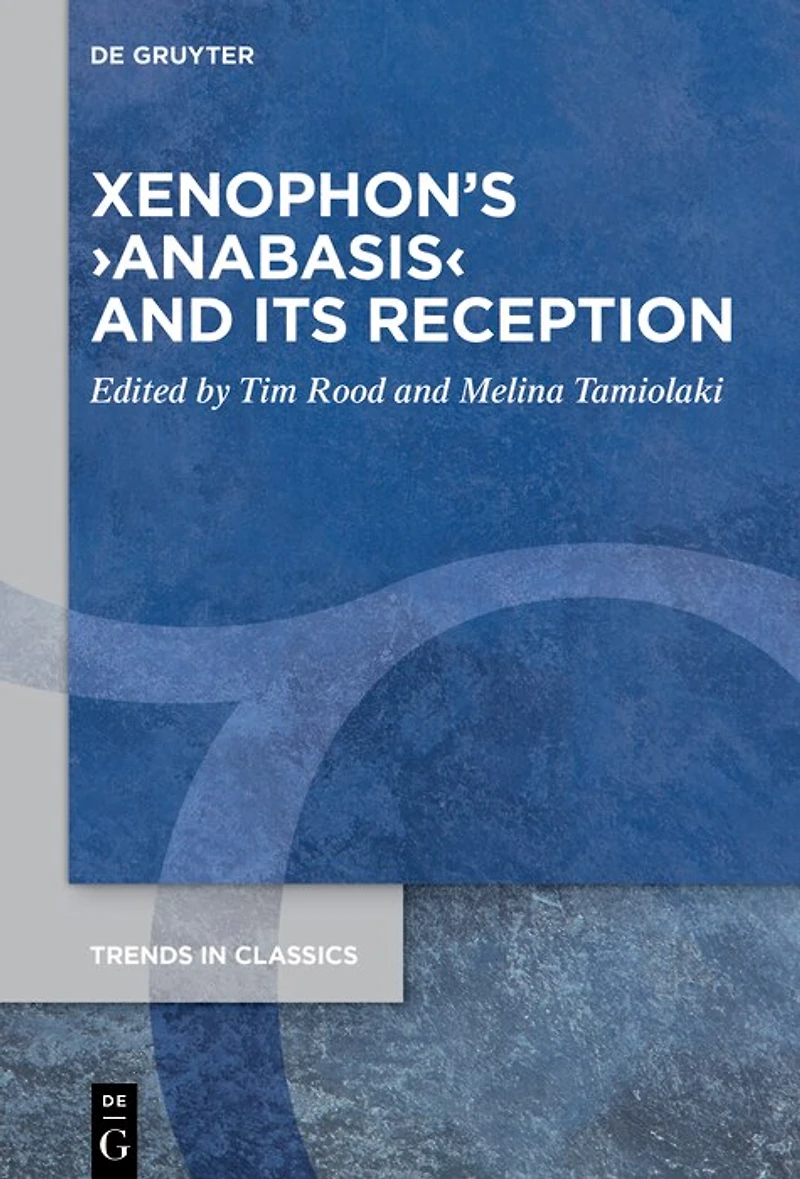
Xenophon’s ›Anabasis‹ and its Reception in Brampton, ON
Current price: $264.99
Coles
Xenophon’s ›Anabasis‹ and its Reception in Brampton, ON
Current price: $264.99
Loading Inventory...
Size: Hardcover
*Product information and pricing may vary - to confirm current pricing, availability, shipping, and return information please contact Coles. In the event of a pricing discrepancy, the retailer's price will apply.
This volume constitutes the first large-scale collaborative reflection on Xenophon’s Anabasis , gathering experts on Greek historiography and Xenophon. It is structured in three sections: the first section provides a linear reading of the Anabasis through chapters on select episodes (from Book 1 through Book 7), including the opening, Cyrus’ characterisation, the meeting of Socrates and Xenophon, Xenophon’s leadership, the marches through Armenia and along the Black Sea coast and the service under Seuthes in Thrace.
The second section offers an in-depth exploration of hitherto overlooked recurrent themes. Based on new approaches and scholarly trends, it focuses on topics such as the concept of friendship, the speeches of characters other than Xenophon, the suffering of the human body, the role of rumour and misrepresentation, and the depiction of emotions.
The third section offers a more thorough investigation of the manifold reception of this work (in Antiquity, Byzantium, Renaissance, modern period, in cinema studies and illustrations).
Finally, in acknowledgement of the Anabasis ’ long history as a pedagogical text, the volume contains an envoi on the importance and benefits of teaching Xenophon and the Anabasis , more specifically.
This volume constitutes the first large-scale collaborative reflection on Xenophon’s Anabasis , gathering experts on Greek historiography and Xenophon. It is structured in three sections: the first section provides a linear reading of the Anabasis through chapters on select episodes (from Book 1 through Book 7), including the opening, Cyrus’ characterisation, the meeting of Socrates and Xenophon, Xenophon’s leadership, the marches through Armenia and along the Black Sea coast and the service under Seuthes in Thrace.
The second section offers an in-depth exploration of hitherto overlooked recurrent themes. Based on new approaches and scholarly trends, it focuses on topics such as the concept of friendship, the speeches of characters other than Xenophon, the suffering of the human body, the role of rumour and misrepresentation, and the depiction of emotions.
The third section offers a more thorough investigation of the manifold reception of this work (in Antiquity, Byzantium, Renaissance, modern period, in cinema studies and illustrations).
Finally, in acknowledgement of the Anabasis ’ long history as a pedagogical text, the volume contains an envoi on the importance and benefits of teaching Xenophon and the Anabasis , more specifically.
You May Also Like














Find at Bramalea City Centre in Brampton, ON
Visit at Bramalea City Centre in Brampton, ON