



Gifting Made Simple
Give the Gift of ChoiceClick below to purchase a Bramalea City Centre eGift Card that can be used at participating retailers at Bramalea City Centre.Purchase HereHome
Writings of Persuasion and Dissonance in the Great War: That Better Whiles May Follow Worse
Coles
Loading Inventory...
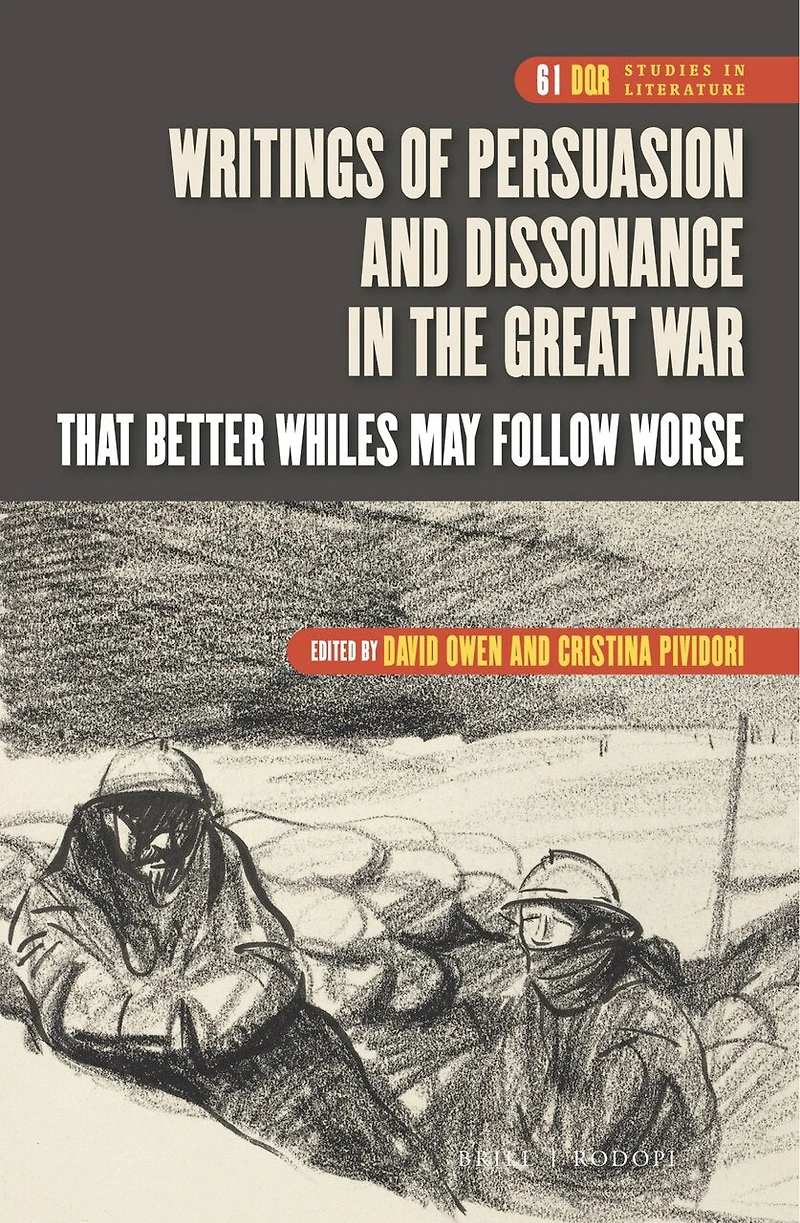
Writings of Persuasion and Dissonance in the Great War: That Better Whiles May Follow Worse in Brampton, ON
Current price: $198.99
Coles
Writings of Persuasion and Dissonance in the Great War: That Better Whiles May Follow Worse in Brampton, ON
Current price: $198.99
Loading Inventory...
Size: Hardcover
*Product information and pricing may vary - to confirm current pricing, availability, shipping, and return information please contact Coles. In the event of a pricing discrepancy, the retailer's price will apply.
Through chapters dedicated to specific writers and texts, Writings of Persuasion and Dissonance in the Great War is a collection of essays examining literary responses to the Great War, particularly the confrontation of two distinct languages.
One of these reflects nineteenth-century ideals of war as a noble sacrifice; the other portrays the hopeless, brutal reality of the trenches.
The ultimate aim of this volume is to convey and reinforce the notion that no explicit literary language can ever be regarded as the definitive language of the Great War, nor can it ever hope to represent this conflict in its entirety. The collection also uncovers how memory constantly develops, triggering distinct and even contradictory responses from those involved in the complex process of remembering.
Contributors: Donna Coates, Brian Dillon, Monique Dumontet, Dorothea Flothow, Elizabeth Galway, Laurie Kaplan, Sara Martín Alegre, Silvia Mergenthal, Andrew Monnickendam, David Owen, Andrew Palmer, Bill Phillips, Cristina Pividori, Esther Pujolrás-Noguer, Richard Smith
Through chapters dedicated to specific writers and texts, Writings of Persuasion and Dissonance in the Great War is a collection of essays examining literary responses to the Great War, particularly the confrontation of two distinct languages.
One of these reflects nineteenth-century ideals of war as a noble sacrifice; the other portrays the hopeless, brutal reality of the trenches.
The ultimate aim of this volume is to convey and reinforce the notion that no explicit literary language can ever be regarded as the definitive language of the Great War, nor can it ever hope to represent this conflict in its entirety. The collection also uncovers how memory constantly develops, triggering distinct and even contradictory responses from those involved in the complex process of remembering.
Contributors: Donna Coates, Brian Dillon, Monique Dumontet, Dorothea Flothow, Elizabeth Galway, Laurie Kaplan, Sara Martín Alegre, Silvia Mergenthal, Andrew Monnickendam, David Owen, Andrew Palmer, Bill Phillips, Cristina Pividori, Esther Pujolrás-Noguer, Richard Smith
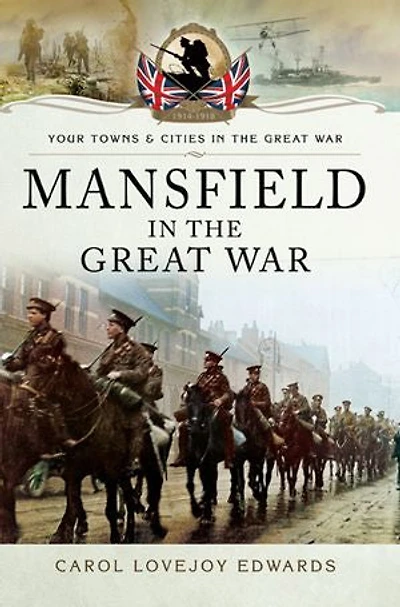
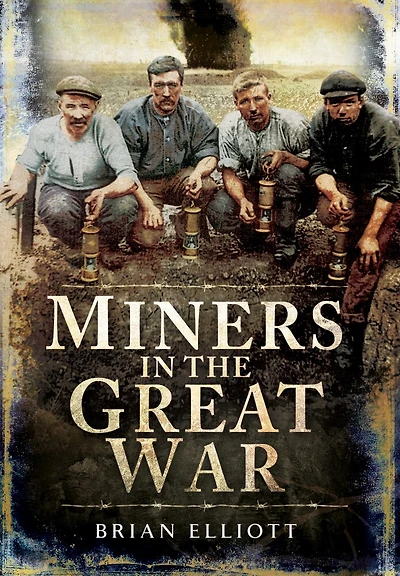
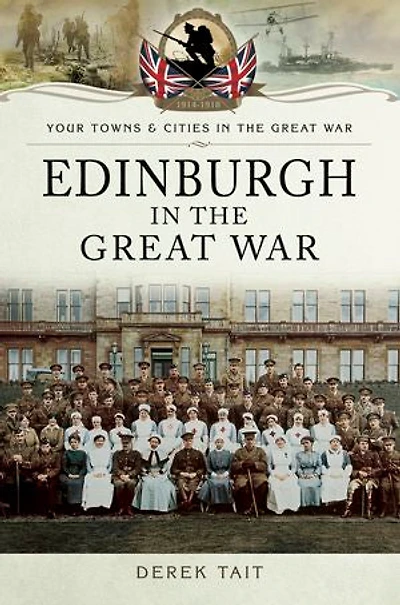








Find at Bramalea City Centre in Brampton, ON
Visit at Bramalea City Centre in Brampton, ON