



Gifting Made Simple
Give the Gift of ChoiceClick below to purchase a Bramalea City Centre eGift Card that can be used at participating retailers at Bramalea City Centre.Purchase HereHome
Women, the State, and War: A Comparative Perspective on Citizenship Nationalism
Coles
Loading Inventory...
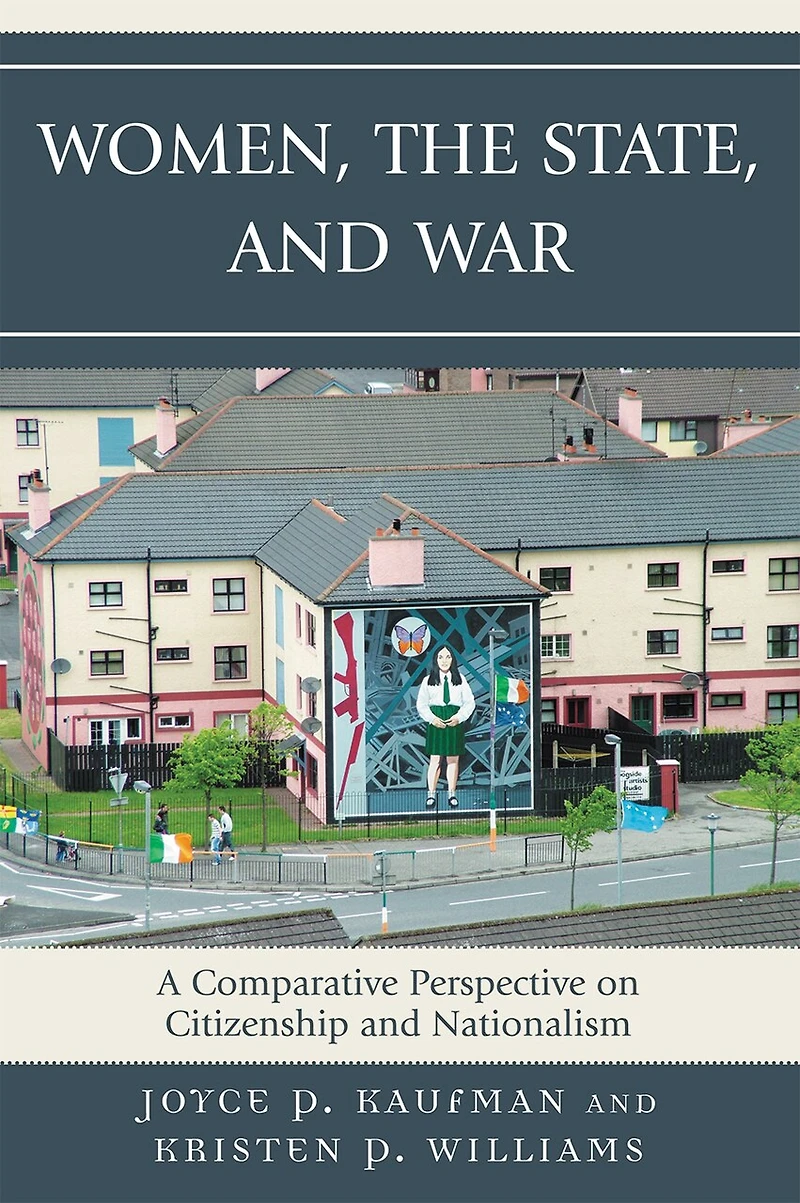
Women, the State, and War: A Comparative Perspective on Citizenship Nationalism in Brampton, ON
Current price: $166.00
Coles
Women, the State, and War: A Comparative Perspective on Citizenship Nationalism in Brampton, ON
Current price: $166.00
Loading Inventory...
Size: Hardcover
*Product information and pricing may vary - to confirm current pricing, availability, shipping, and return information please contact Coles. In the event of a pricing discrepancy, the retailer's price will apply.
Women, the State, and War looks at the intersection of gender, citizenship, and nationalism; marriage, intermarriage, and how states gender that relationship; and the ways in which women are used as symbols to reinforce or further nationalistic goals. Women have long struggled with issues of citizenship, identity, and the challenge of being recognized as equal members of the community. Governments use feminine imagery (e.g., mother country) to create a national identity, while simultaneously minimizing the role that women play as productive contributors to the society. Authors Joyce P. Kaufman and Kristen P. Williams examine the relationship of government and women in four different countries: the United States, Israel, the former Yugoslavia, and Northern Ireland. In each case, numerous similarities appear: conflict plays a significant role in the definition of citizenship for women; women's movements have worked in contradiction to the state; and citizenship and marriage are gendered undertakings.
Women, the State, and War looks at the intersection of gender, citizenship, and nationalism; marriage, intermarriage, and how states gender that relationship; and the ways in which women are used as symbols to reinforce or further nationalistic goals. Women have long struggled with issues of citizenship, identity, and the challenge of being recognized as equal members of the community. Governments use feminine imagery (e.g., mother country) to create a national identity, while simultaneously minimizing the role that women play as productive contributors to the society. Authors Joyce P. Kaufman and Kristen P. Williams examine the relationship of government and women in four different countries: the United States, Israel, the former Yugoslavia, and Northern Ireland. In each case, numerous similarities appear: conflict plays a significant role in the definition of citizenship for women; women's movements have worked in contradiction to the state; and citizenship and marriage are gendered undertakings.
You May Also Like









Find at Bramalea City Centre in Brampton, ON
Visit at Bramalea City Centre in Brampton, ON