



Gifting Made Simple
Give the Gift of ChoiceClick below to purchase a Bramalea City Centre eGift Card that can be used at participating retailers at Bramalea City Centre.Purchase HereHome
Why Europe?: the Great Divergence and West's Rise to Global Predominance
Coles
Loading Inventory...
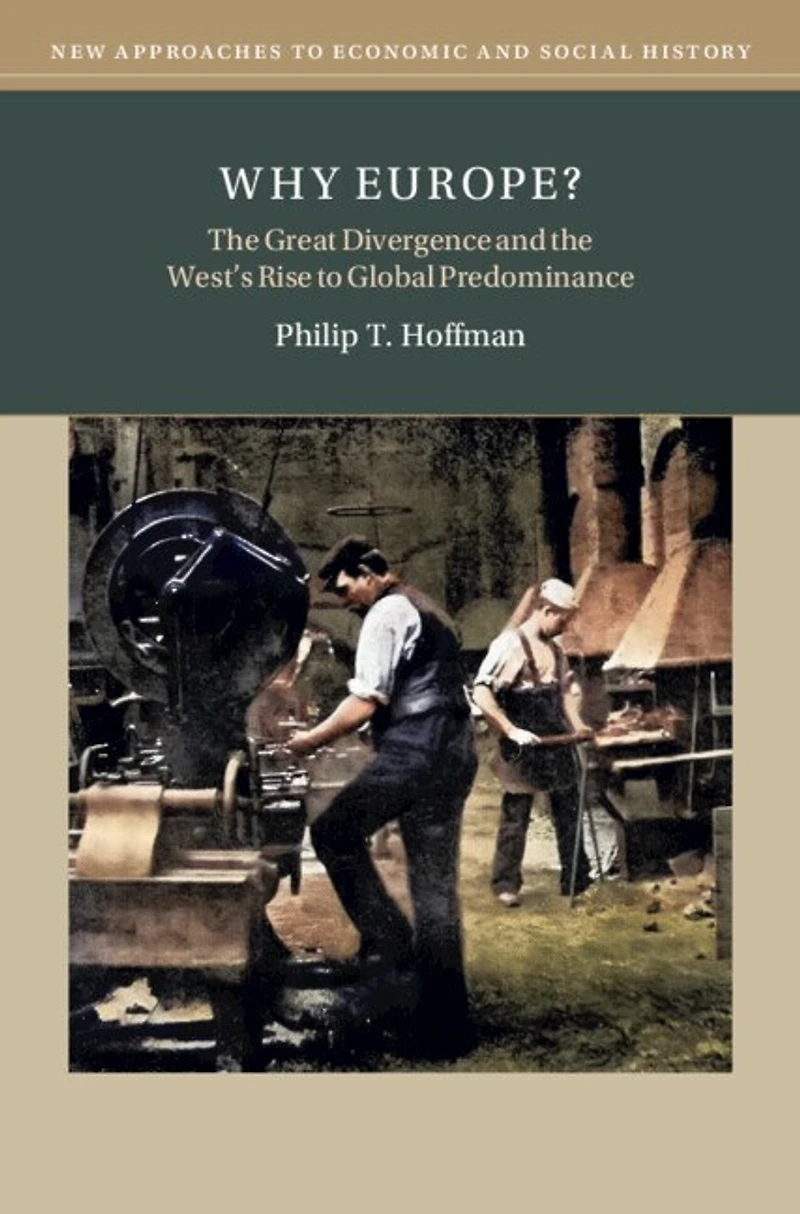
Why Europe?: the Great Divergence and West's Rise to Global Predominance in Brampton, ON
Current price: $114.95
Coles
Why Europe?: the Great Divergence and West's Rise to Global Predominance in Brampton, ON
Current price: $114.95
Loading Inventory...
Size: Hardcover
*Product information and pricing may vary - to confirm current pricing, availability, shipping, and return information please contact Coles. In the event of a pricing discrepancy, the retailer's price will apply.
Economic growth transformed the world. It freed us from a world where nearly everyone was mired in poverty and half of all children died before reaching adulthood. However, these benefits have not been felt everywhere, nor by everyone. In this groundbreaking new account of the divergence between east and west, Philip T. Hoffman uncovers the ultimate causes of economic growth and the reasons why it originated in seventeenth-century western Europe. He examines the relative impacts of a wide range of economic, political, and social factors, from high wages, cheap capital, and financial institutions to political fragmentation, porous borders, and interstate warfare. Through accessible economic principles and fascinating case studies, he demonstrates why growth began in Britain, why it spread so unevenly elsewhere, and why inequality inhibits growth.
Economic growth transformed the world. It freed us from a world where nearly everyone was mired in poverty and half of all children died before reaching adulthood. However, these benefits have not been felt everywhere, nor by everyone. In this groundbreaking new account of the divergence between east and west, Philip T. Hoffman uncovers the ultimate causes of economic growth and the reasons why it originated in seventeenth-century western Europe. He examines the relative impacts of a wide range of economic, political, and social factors, from high wages, cheap capital, and financial institutions to political fragmentation, porous borders, and interstate warfare. Through accessible economic principles and fascinating case studies, he demonstrates why growth began in Britain, why it spread so unevenly elsewhere, and why inequality inhibits growth.
You May Also Like














Find at Bramalea City Centre in Brampton, ON
Visit at Bramalea City Centre in Brampton, ON