



Gifting Made Simple
Give the Gift of ChoiceClick below to purchase a Bramalea City Centre eGift Card that can be used at participating retailers at Bramalea City Centre.Purchase HereHome
Who Runs The Economy?: Role of Power Economics
Coles
Loading Inventory...
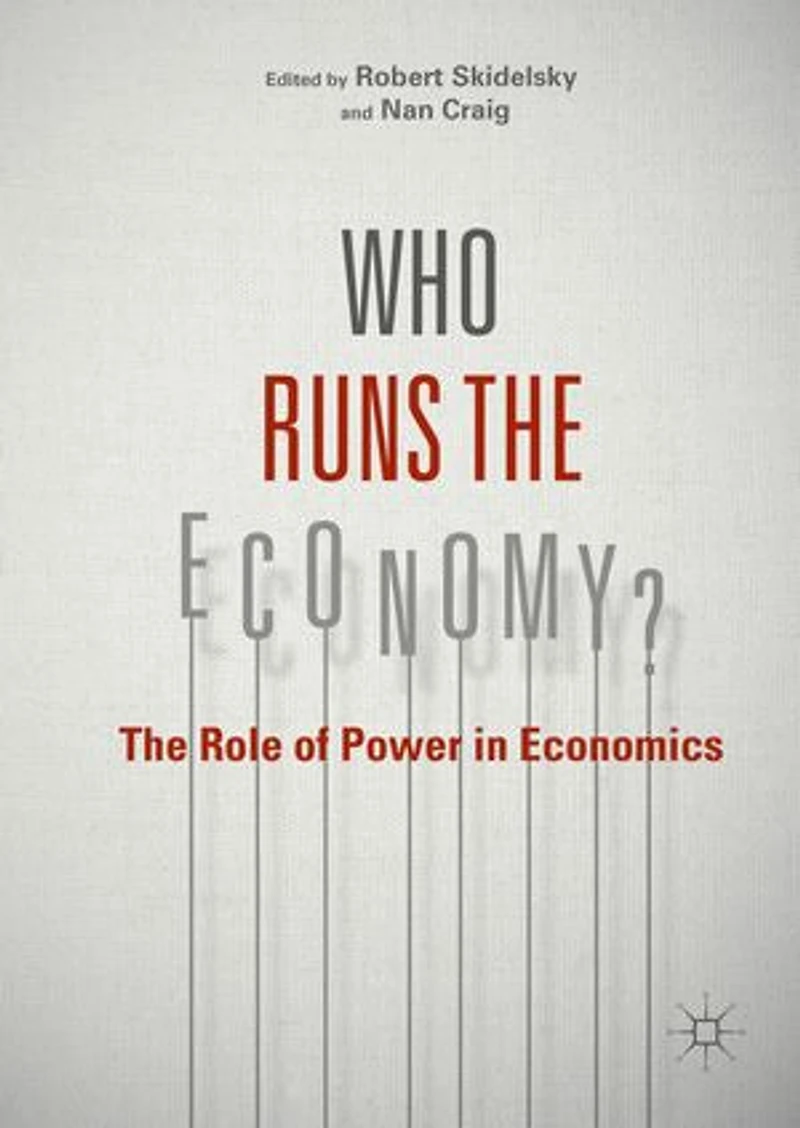
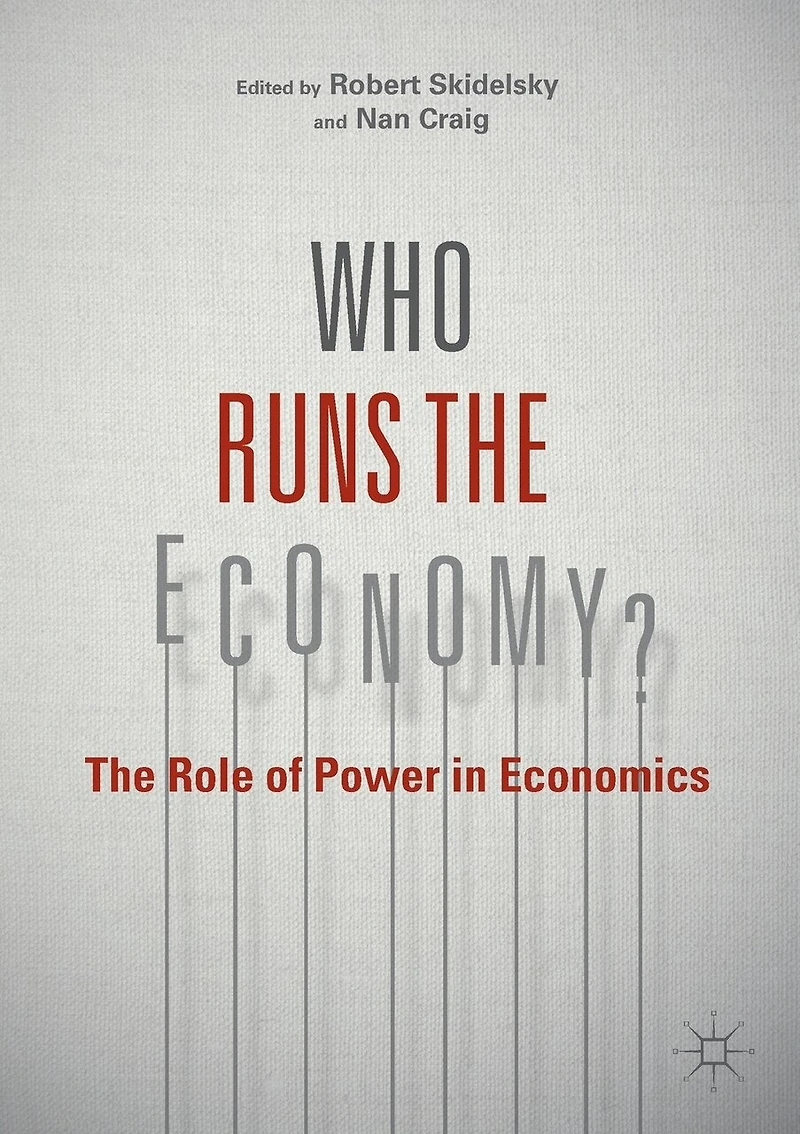
Who Runs The Economy?: Role of Power Economics in Brampton, ON
Current price: $24.09
Original price: $30.12
Coles
Who Runs The Economy?: Role of Power Economics in Brampton, ON
Current price: $24.09
Original price: $30.12
Loading Inventory...
Size: Kobo eBook
*Product information and pricing may vary - to confirm current pricing, availability, shipping, and return information please contact Coles. In the event of a pricing discrepancy, the retailer's price will apply.
Since the financial crisis of 2008 and the following Great Recession, there has been surprisingly little change in the systems of ideas, institutions and policies which preceded the crash and helped bring it about. 'Mainstream' economics carries on much as it did before. Despite much discussion of what went wrong, very little has substantially changed. Perhaps the answer has something to do with power; a subject on which economics is unusually quiet. Whilst economics may be able to discuss bargaining power and market power, it fails to explore the reciprocal connections between economic ideas and politics: the political power of economic ideas on the one side, and the influence of power structures on economic thought on the other. This book explores how the supposedly neutral discipline of economics does not simply describe human behaviour, but in fact shapes it.
Since the financial crisis of 2008 and the following Great Recession, there has been surprisingly little change in the systems of ideas, institutions and policies which preceded the crash and helped bring it about. 'Mainstream' economics carries on much as it did before. Despite much discussion of what went wrong, very little has substantially changed. Perhaps the answer has something to do with power; a subject on which economics is unusually quiet. Whilst economics may be able to discuss bargaining power and market power, it fails to explore the reciprocal connections between economic ideas and politics: the political power of economic ideas on the one side, and the influence of power structures on economic thought on the other. This book explores how the supposedly neutral discipline of economics does not simply describe human behaviour, but in fact shapes it.
You May Also Like









Find at Bramalea City Centre in Brampton, ON
Visit at Bramalea City Centre in Brampton, ON