



Gifting Made Simple
Give the Gift of ChoiceClick below to purchase a Bramalea City Centre eGift Card that can be used at participating retailers at Bramalea City Centre.Purchase HereHome
Where the Truth Lies: Pseudonymity, Complicity, and Critique in Fear and Trembling
Coles
Loading Inventory...
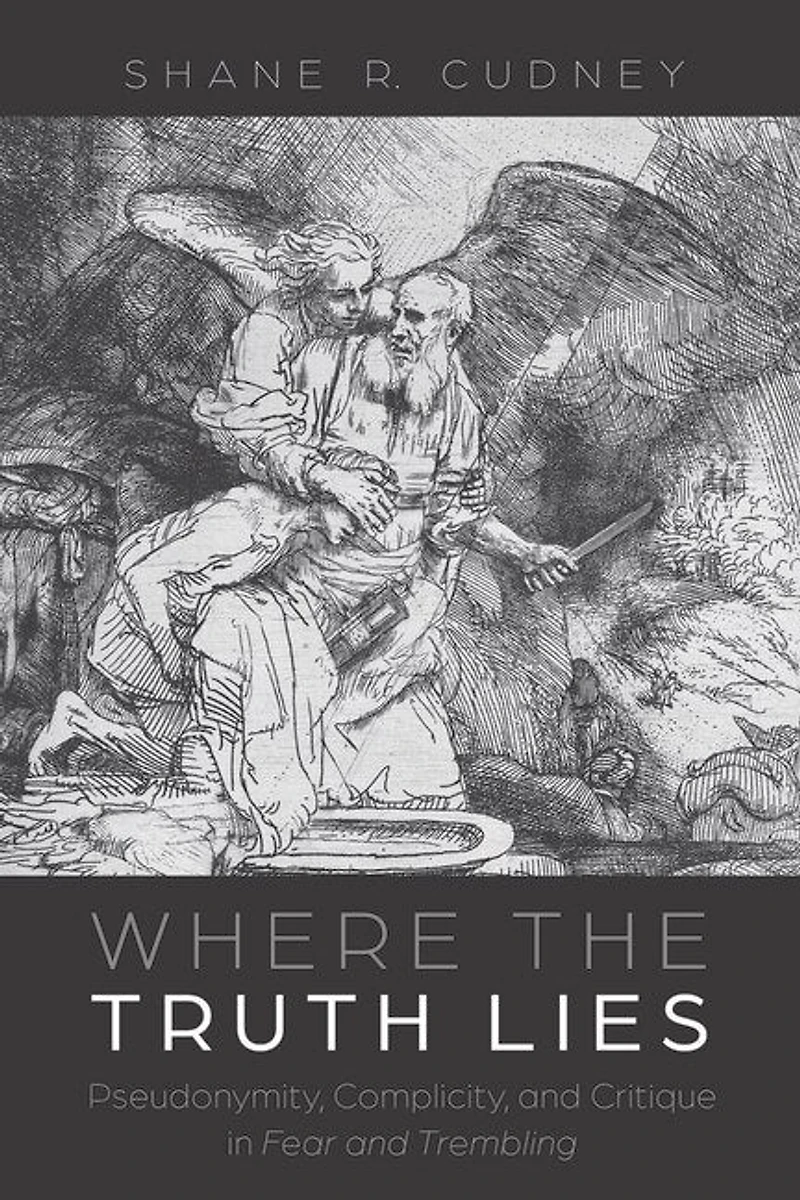
Where the Truth Lies: Pseudonymity, Complicity, and Critique in Fear and Trembling in Brampton, ON
Current price: $61.00
Coles
Where the Truth Lies: Pseudonymity, Complicity, and Critique in Fear and Trembling in Brampton, ON
Current price: $61.00
Loading Inventory...
Size: Hardcover
*Product information and pricing may vary - to confirm current pricing, availability, shipping, and return information please contact Coles. In the event of a pricing discrepancy, the retailer's price will apply.
Johannes de Silentio, the pseudonymous author of Fear and Trembling, concludes that faith is "absurd" (irrational), and therefore lies beyond the scope of reason. But if we ascribe authorship ultimately to Kierkegaard, as is common practice, we must conclude that he himself is an irrationalist. Given the myriad of competing voices throughout Kierkegaard's writings, this seems highly questionable at best.If, however, we take the pseudonymous author strictly at his authorial word, it changes the shape and dynamic of the text inviting us to read it, instead, as a "thought experiment." In this way, the text demonstrates both the absurdity and sin of reason in its bid to fully grasp the mystery of faith on its own rational terms.
Johannes de Silentio, the pseudonymous author of Fear and Trembling, concludes that faith is "absurd" (irrational), and therefore lies beyond the scope of reason. But if we ascribe authorship ultimately to Kierkegaard, as is common practice, we must conclude that he himself is an irrationalist. Given the myriad of competing voices throughout Kierkegaard's writings, this seems highly questionable at best.If, however, we take the pseudonymous author strictly at his authorial word, it changes the shape and dynamic of the text inviting us to read it, instead, as a "thought experiment." In this way, the text demonstrates both the absurdity and sin of reason in its bid to fully grasp the mystery of faith on its own rational terms.













Find at Bramalea City Centre in Brampton, ON
Visit at Bramalea City Centre in Brampton, ON