



Gifting Made Simple
Give the Gift of ChoiceClick below to purchase a Bramalea City Centre eGift Card that can be used at participating retailers at Bramalea City Centre.Purchase HereHome
Where Shrimp Eat Better than People: Globalized Fisheries, Nutritional Unequal Exchange and Asian Hunger
Coles
Loading Inventory...
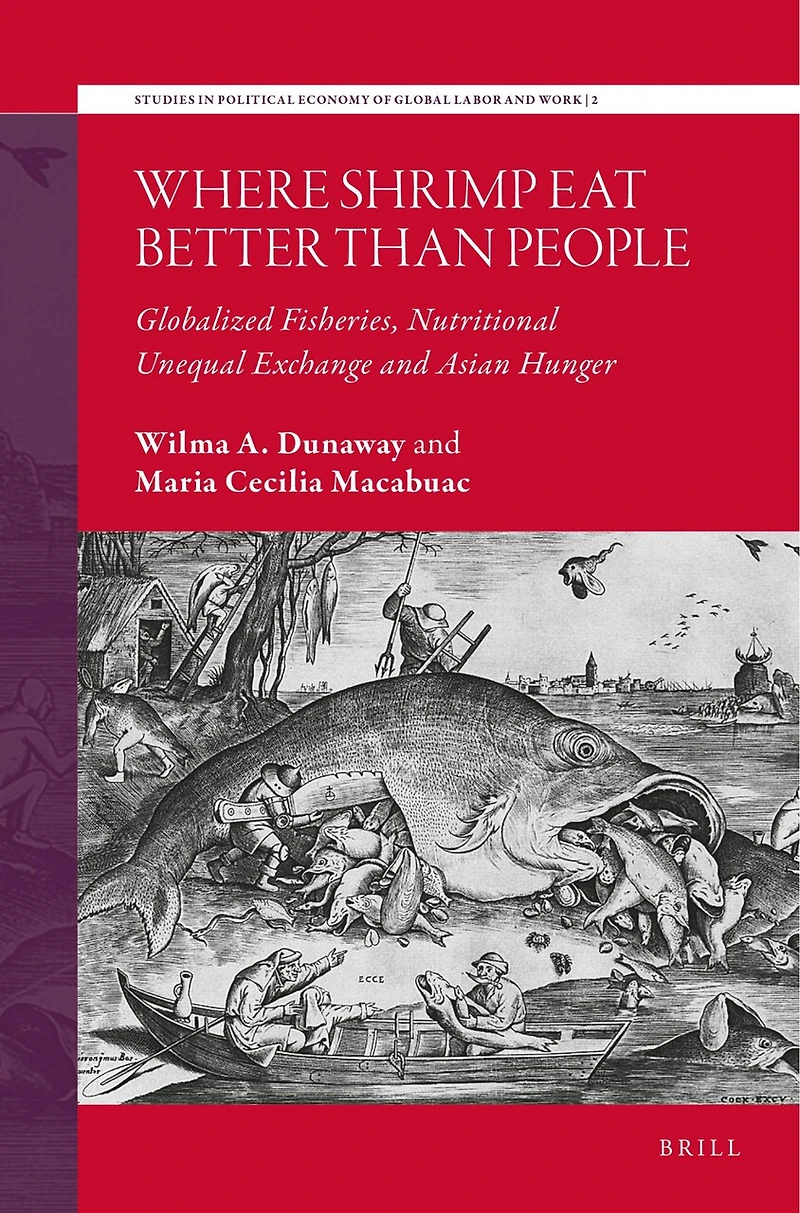
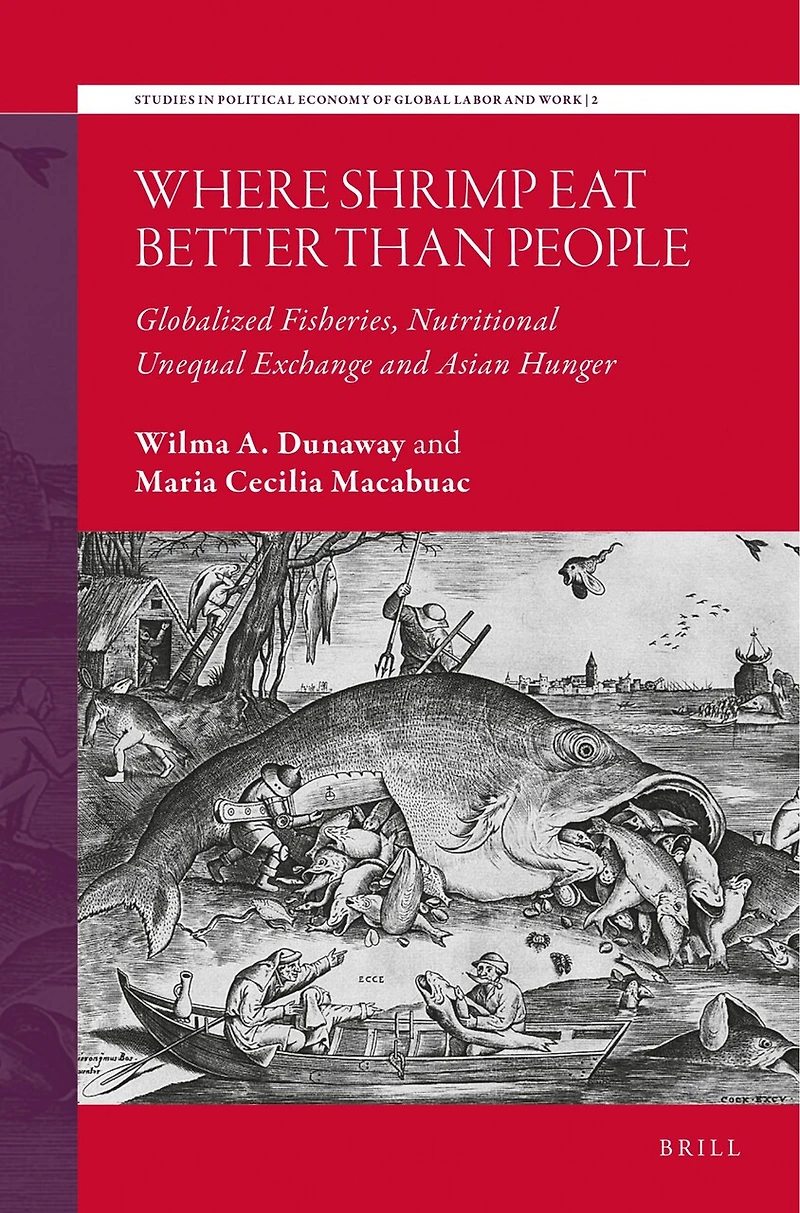
Where Shrimp Eat Better than People: Globalized Fisheries, Nutritional Unequal Exchange and Asian Hunger in Brampton, ON
Current price: $154.99
Coles
Where Shrimp Eat Better than People: Globalized Fisheries, Nutritional Unequal Exchange and Asian Hunger in Brampton, ON
Current price: $154.99
Loading Inventory...
Size: Hardcover
*Product information and pricing may vary - to confirm current pricing, availability, shipping, and return information please contact Coles. In the event of a pricing discrepancy, the retailer's price will apply.
East, South and Southeast Asia are home to two-thirds of the world’s hungry people, but they produce more than three-quarters of the world’s fish and nearly half of other foods. Through integration into the world food system, these Asian fisheries export their most nutritious foods and import less healthy substitutes. Worldwide, their exports sell cheap because women, the hungriest Asians, provide unpaid subsidies to production processes. In the 21st century, Asian peasants produce more than 60 percent of the regional food supply, but their survival is threatened by hunger, public depeasantization policies, climate change, land grabbing, urbanization and debt bondage.
* Where Shrimp Eat Better than People: Globalized Fisheries, Nutritional Unequal Exchange and Asian Hunger is now available in paperback for individual customers.
East, South and Southeast Asia are home to two-thirds of the world’s hungry people, but they produce more than three-quarters of the world’s fish and nearly half of other foods. Through integration into the world food system, these Asian fisheries export their most nutritious foods and import less healthy substitutes. Worldwide, their exports sell cheap because women, the hungriest Asians, provide unpaid subsidies to production processes. In the 21st century, Asian peasants produce more than 60 percent of the regional food supply, but their survival is threatened by hunger, public depeasantization policies, climate change, land grabbing, urbanization and debt bondage.
* Where Shrimp Eat Better than People: Globalized Fisheries, Nutritional Unequal Exchange and Asian Hunger is now available in paperback for individual customers.
You May Also Like



















Find at Bramalea City Centre in Brampton, ON
Visit at Bramalea City Centre in Brampton, ON