



Gifting Made Simple
Give the Gift of ChoiceClick below to purchase a Bramalea City Centre eGift Card that can be used at participating retailers at Bramalea City Centre.Purchase HereHome
Where Currents Meet: Frontiers of Memory Post-Soviet Fiction Kharkiv, Ukraine
Coles
Loading Inventory...
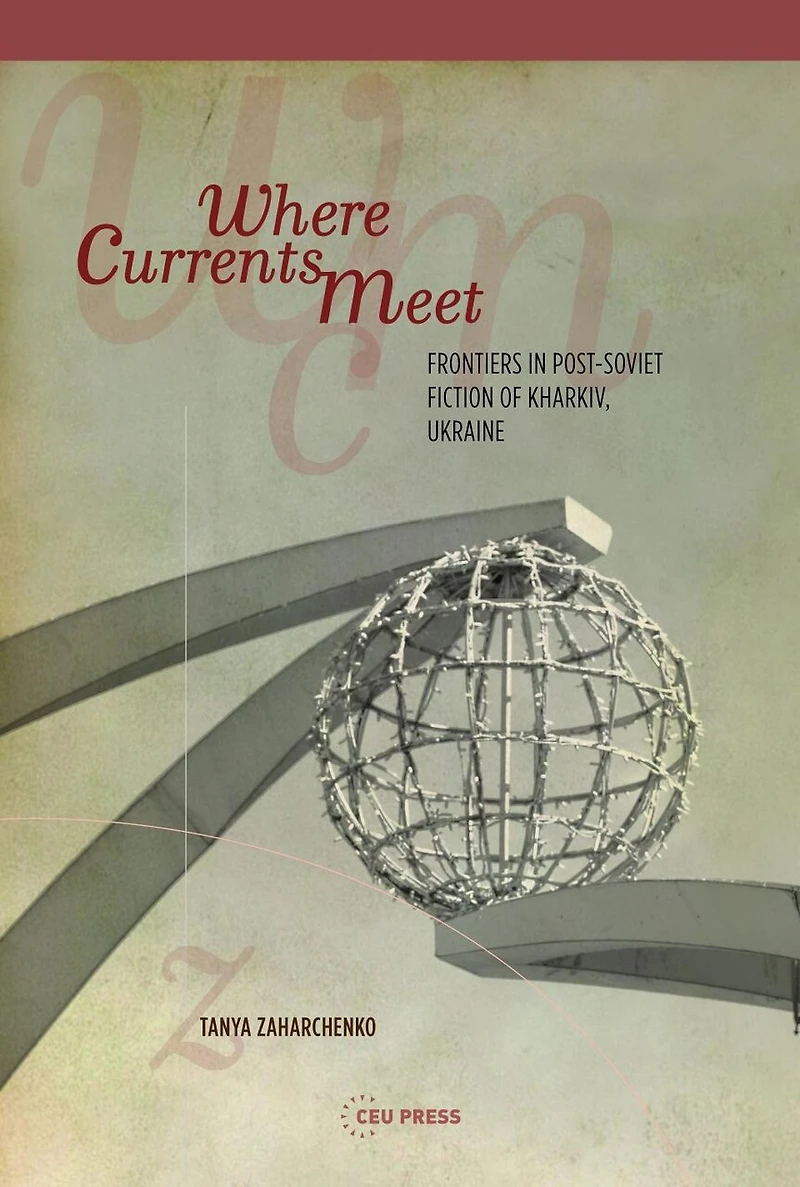
Where Currents Meet: Frontiers of Memory Post-Soviet Fiction Kharkiv, Ukraine in Brampton, ON
Current price: $176.95
Coles
Where Currents Meet: Frontiers of Memory Post-Soviet Fiction Kharkiv, Ukraine in Brampton, ON
Current price: $176.95
Loading Inventory...
Size: Hardcover
*Product information and pricing may vary - to confirm current pricing, availability, shipping, and return information please contact Coles. In the event of a pricing discrepancy, the retailer's price will apply.
Where Currents Meet , Tanya Zaharchenko's path-breaking study of literature and cultural memory, moves decisively beyond the simplistic view of a post-Soviet Ukraine divided between east and west. It positions the Ukrainian and Russian components of cultural experience in the country's east as elements of a complex continuum. Combining insights from memory studies and border studies, Zaharchenko analyzes a generation of younger riters in the city of Kharkiv - a 'doubletake generation' that came of age at the time of the Soviet Union's collapse and now revisits this experience through fiction. In the works of Serhiy Zhadan, Andree Krasniashchikh, Yuri Tsaplin, Oleh Kotsarev, and others the author reveals how borderlands and frontiers, both geographical and conceptual, acquire zonal qualities of their own as these writers navigate the historical legacy they have inherited.
Where Currents Meet , Tanya Zaharchenko's path-breaking study of literature and cultural memory, moves decisively beyond the simplistic view of a post-Soviet Ukraine divided between east and west. It positions the Ukrainian and Russian components of cultural experience in the country's east as elements of a complex continuum. Combining insights from memory studies and border studies, Zaharchenko analyzes a generation of younger riters in the city of Kharkiv - a 'doubletake generation' that came of age at the time of the Soviet Union's collapse and now revisits this experience through fiction. In the works of Serhiy Zhadan, Andree Krasniashchikh, Yuri Tsaplin, Oleh Kotsarev, and others the author reveals how borderlands and frontiers, both geographical and conceptual, acquire zonal qualities of their own as these writers navigate the historical legacy they have inherited.
You May Also Like









Find at Bramalea City Centre in Brampton, ON
Visit at Bramalea City Centre in Brampton, ON