



Gifting Made Simple
Give the Gift of ChoiceClick below to purchase a Bramalea City Centre eGift Card that can be used at participating retailers at Bramalea City Centre.Purchase HereHome
What Makes A Church Sacred?: Legal And Ritual Perspectives From Late Antiquity
Coles
Loading Inventory...
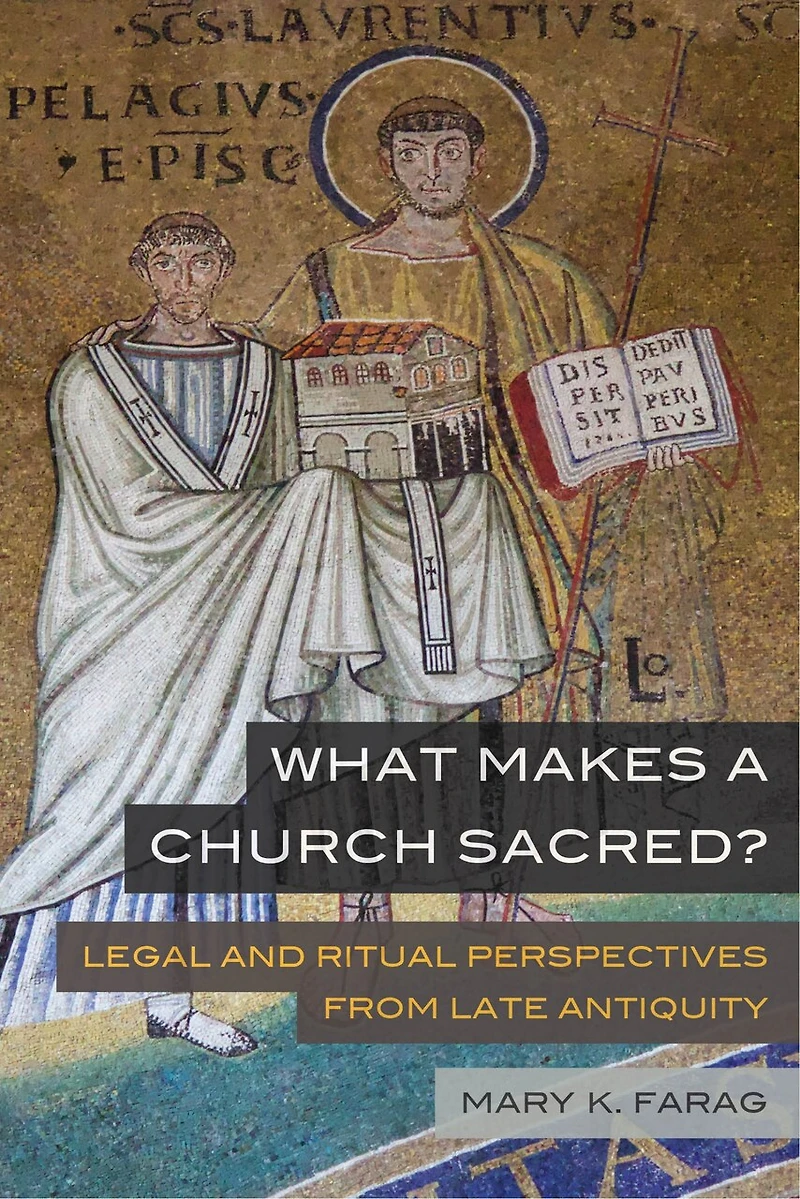
What Makes A Church Sacred?: Legal And Ritual Perspectives From Late Antiquity in Brampton, ON
Current price: $47.03
Coles
What Makes A Church Sacred?: Legal And Ritual Perspectives From Late Antiquity in Brampton, ON
Current price: $47.03
Loading Inventory...
Size: Paperback
*Product information and pricing may vary - to confirm current pricing, availability, shipping, and return information please contact Coles. In the event of a pricing discrepancy, the retailer's price will apply.
A free open access ebook is available upon publication. Learn more at www.luminosoa.org .
What is the purpose of a church? Who owns a church? Mary K. Farag persuasively demonstrates that three groups in late antiquity were concerned with these questions: Christian leaders, wealthy laypersons, and lawmakers. Conflicting answers usually coexisted, but from time to time they clashed and caused significant tension. In these disputes, juridical regulations and opinions mattered more than has been traditionally recognized. Considering familiar Christian controversies in novel ways, Farag’s investigation shows that scholarship has misunderstood well-known religious figures by ignoring the legal issues they faced. This seminal text nuances vital aspects of scholarly conversations on sacred space, gift giving, wealth, and poverty in the late antique Mediterranean world, making use not only of Latin and Greek sources but also Coptic and Arabic evidence.
A free open access ebook is available upon publication. Learn more at www.luminosoa.org .
What is the purpose of a church? Who owns a church? Mary K. Farag persuasively demonstrates that three groups in late antiquity were concerned with these questions: Christian leaders, wealthy laypersons, and lawmakers. Conflicting answers usually coexisted, but from time to time they clashed and caused significant tension. In these disputes, juridical regulations and opinions mattered more than has been traditionally recognized. Considering familiar Christian controversies in novel ways, Farag’s investigation shows that scholarship has misunderstood well-known religious figures by ignoring the legal issues they faced. This seminal text nuances vital aspects of scholarly conversations on sacred space, gift giving, wealth, and poverty in the late antique Mediterranean world, making use not only of Latin and Greek sources but also Coptic and Arabic evidence.
You May Also Like












Find at Bramalea City Centre in Brampton, ON
Visit at Bramalea City Centre in Brampton, ON