



Gifting Made Simple
Give the Gift of ChoiceClick below to purchase a Bramalea City Centre eGift Card that can be used at participating retailers at Bramalea City Centre.Purchase HereHome
What is Financialization?
Coles
Loading Inventory...
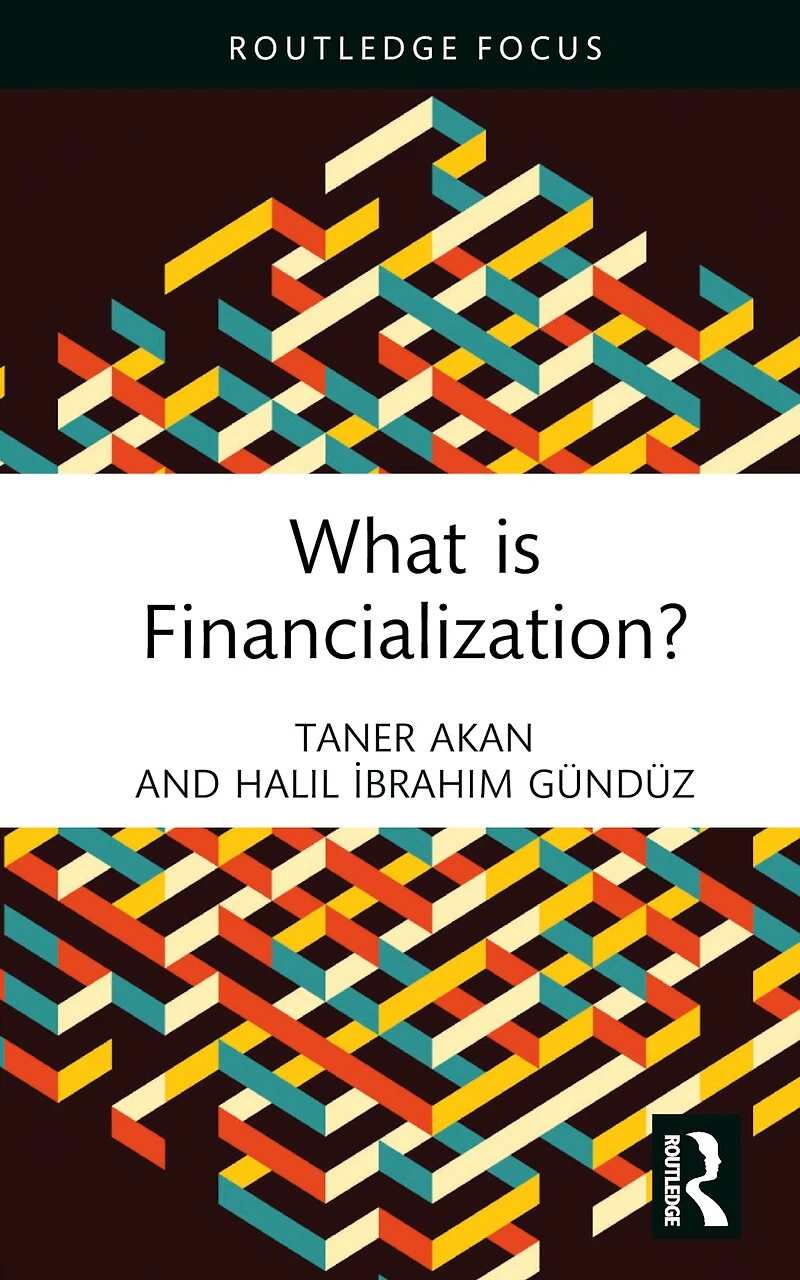
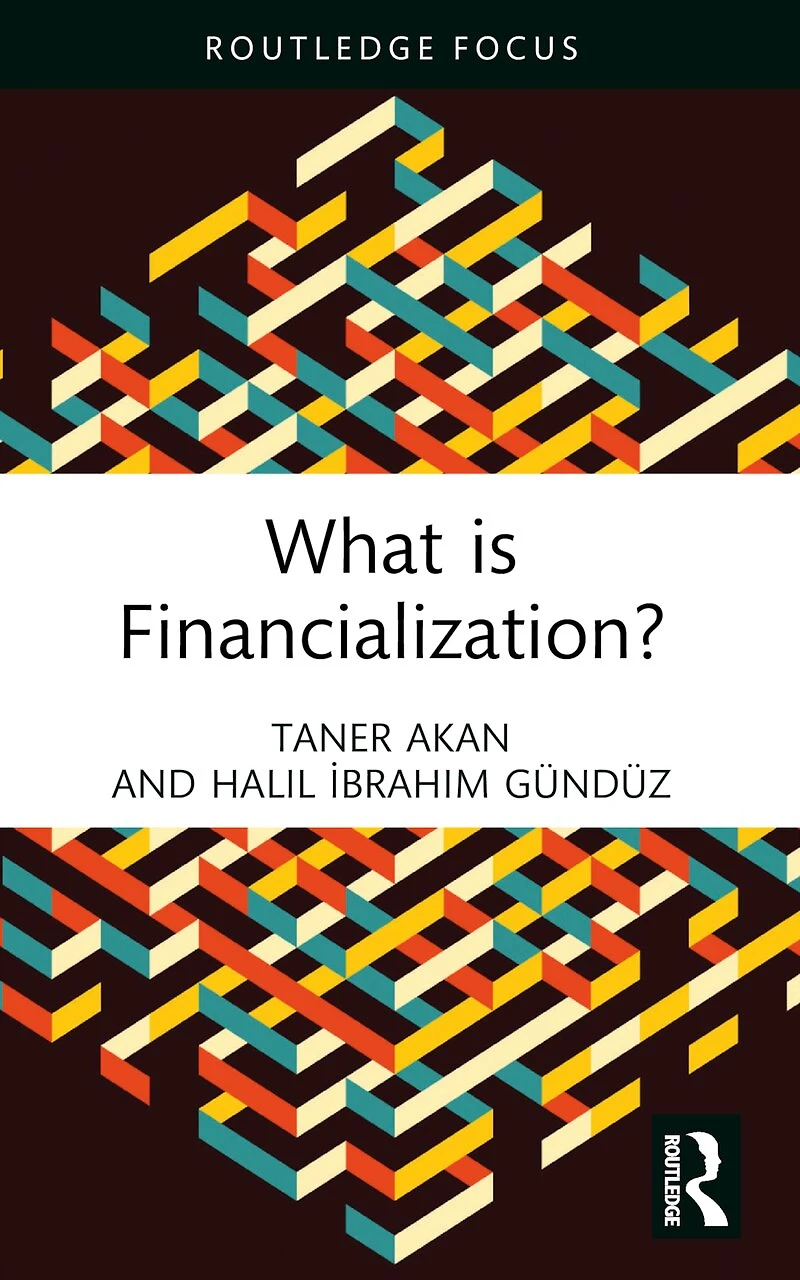
What is Financialization? in Brampton, ON
Current price: $105.50
Coles
What is Financialization? in Brampton, ON
Current price: $105.50
Loading Inventory...
Size: Hardcover
*Product information and pricing may vary - to confirm current pricing, availability, shipping, and return information please contact Coles. In the event of a pricing discrepancy, the retailer's price will apply.
This book introduces a new and original analytic approach to defining, understanding, and explaining financialization. It provides a precise and quantifiable definition of financialization, disaggregating financialization into its three varieties. These are examined through the lens of financial development, both before and after the Great Recession, providing the most in-depth analysis of the finance-real economy-labor nexus. It provides a historical perspective, looking at financialization as a key dynamic that has shaped real economic structures in terms of both growth and inequality of income over the last four decades in high-income, upper-middle-income, and lower-middle-income countries. The book makes its multidisciplinary content readily accessible to non-economists by providing economics background information, and to economists by providing social-theoretical context. It will be essential reading for academics, researchers, analysts, and students of economics, business, finance, sociology, politics, and international relations. It will also serve as a vital resource for policy-makers and bureaucrats in determining, formulating, implementing, and revising policy alternatives to govern the pros and cons of financial development in terms of its effects on real output and income inequality.
This book introduces a new and original analytic approach to defining, understanding, and explaining financialization. It provides a precise and quantifiable definition of financialization, disaggregating financialization into its three varieties. These are examined through the lens of financial development, both before and after the Great Recession, providing the most in-depth analysis of the finance-real economy-labor nexus. It provides a historical perspective, looking at financialization as a key dynamic that has shaped real economic structures in terms of both growth and inequality of income over the last four decades in high-income, upper-middle-income, and lower-middle-income countries. The book makes its multidisciplinary content readily accessible to non-economists by providing economics background information, and to economists by providing social-theoretical context. It will be essential reading for academics, researchers, analysts, and students of economics, business, finance, sociology, politics, and international relations. It will also serve as a vital resource for policy-makers and bureaucrats in determining, formulating, implementing, and revising policy alternatives to govern the pros and cons of financial development in terms of its effects on real output and income inequality.
You May Also Like


















Find at Bramalea City Centre in Brampton, ON
Visit at Bramalea City Centre in Brampton, ON