



Gifting Made Simple
Give the Gift of ChoiceClick below to purchase a Bramalea City Centre eGift Card that can be used at participating retailers at Bramalea City Centre.Purchase HereHome
Weighing the Evidence: Duality, Set, & Measure Theory in Clinical Research Analyses
Coles
Loading Inventory...
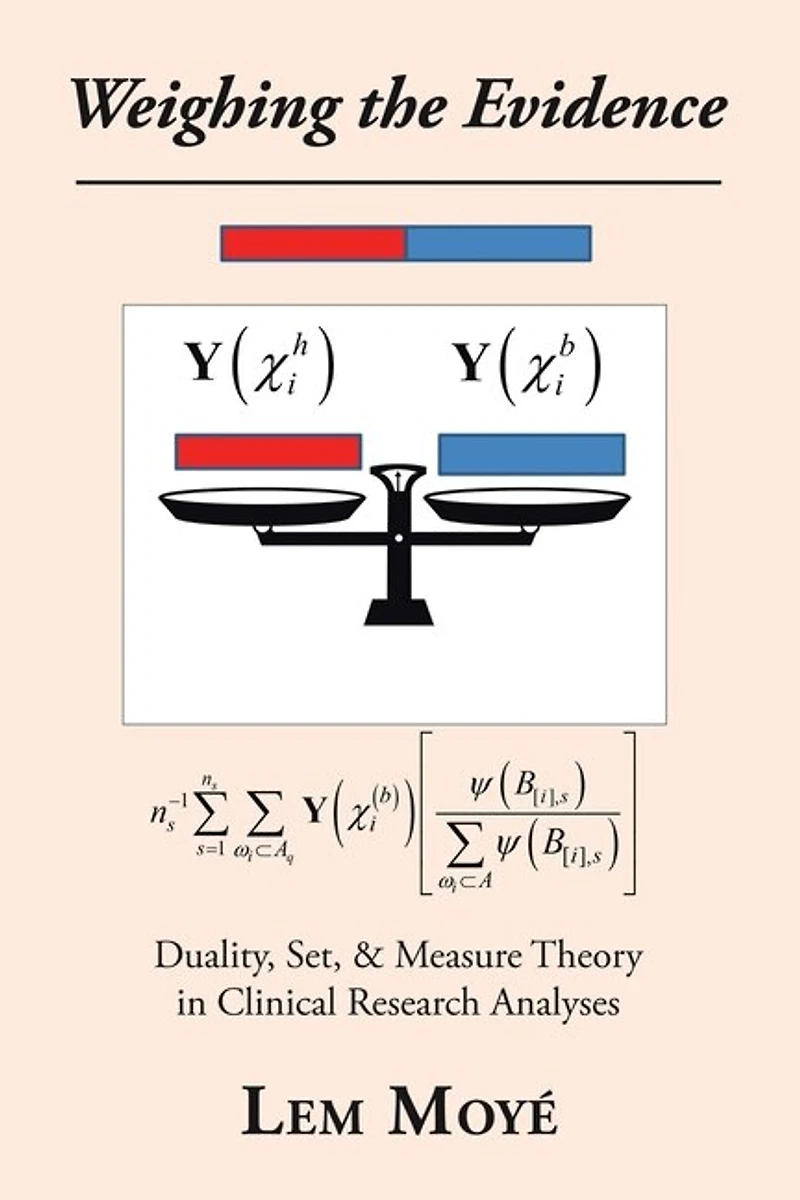
Weighing the Evidence: Duality, Set, & Measure Theory in Clinical Research Analyses in Brampton, ON
Current price: $18.95
Coles
Weighing the Evidence: Duality, Set, & Measure Theory in Clinical Research Analyses in Brampton, ON
Current price: $18.95
Loading Inventory...
Size: Paperback
*Product information and pricing may vary - to confirm current pricing, availability, shipping, and return information please contact Coles. In the event of a pricing discrepancy, the retailer's price will apply.
Clinical research is being strangled. Developed in the 1920's, statistical hypothesis testing was accepted into mainstream medical research in the 1950s and served well to provide structure to clinical research. However statistical hypothesis testing was not developed specifically for clinical research, and has been forced to undergo continuous adaptations in order to maintain relavance. Despite this effort, it has not kept up with clinical research sophistication that now generates an abundance of analyses. Since it has been unable to adapt sufficiently, statistical hypothesis testing is stunting the growth of clinical research, maintaining its p-value dominance at an unacceptable cost. The thesis of this book is that clinical resesarch, with its need to assess benefit and risk, its safety perogative, and its plethora of resarch designs, requires an analysis rubric specifically designed for it. This new foundation is based on 1) the concept of duality, where a statistical effect size estimate can simultaneously provide evidence for benefit and evidence for harm, and 2) the notion that clinical research analyses can be partitioned into regions of analysis that can be weighted through the use of set and measure theory. The entire theory is provided from first principals, requiring only a rudimentary background in clincal research.
Clinical research is being strangled. Developed in the 1920's, statistical hypothesis testing was accepted into mainstream medical research in the 1950s and served well to provide structure to clinical research. However statistical hypothesis testing was not developed specifically for clinical research, and has been forced to undergo continuous adaptations in order to maintain relavance. Despite this effort, it has not kept up with clinical research sophistication that now generates an abundance of analyses. Since it has been unable to adapt sufficiently, statistical hypothesis testing is stunting the growth of clinical research, maintaining its p-value dominance at an unacceptable cost. The thesis of this book is that clinical resesarch, with its need to assess benefit and risk, its safety perogative, and its plethora of resarch designs, requires an analysis rubric specifically designed for it. This new foundation is based on 1) the concept of duality, where a statistical effect size estimate can simultaneously provide evidence for benefit and evidence for harm, and 2) the notion that clinical research analyses can be partitioned into regions of analysis that can be weighted through the use of set and measure theory. The entire theory is provided from first principals, requiring only a rudimentary background in clincal research.
You May Also Like










Find at Bramalea City Centre in Brampton, ON
Visit at Bramalea City Centre in Brampton, ON