



Gifting Made Simple
Give the Gift of ChoiceClick below to purchase a Bramalea City Centre eGift Card that can be used at participating retailers at Bramalea City Centre.Purchase HereHome
Wall Disease: The Psychological Toll Of Living Up Against A Border
Coles
Loading Inventory...
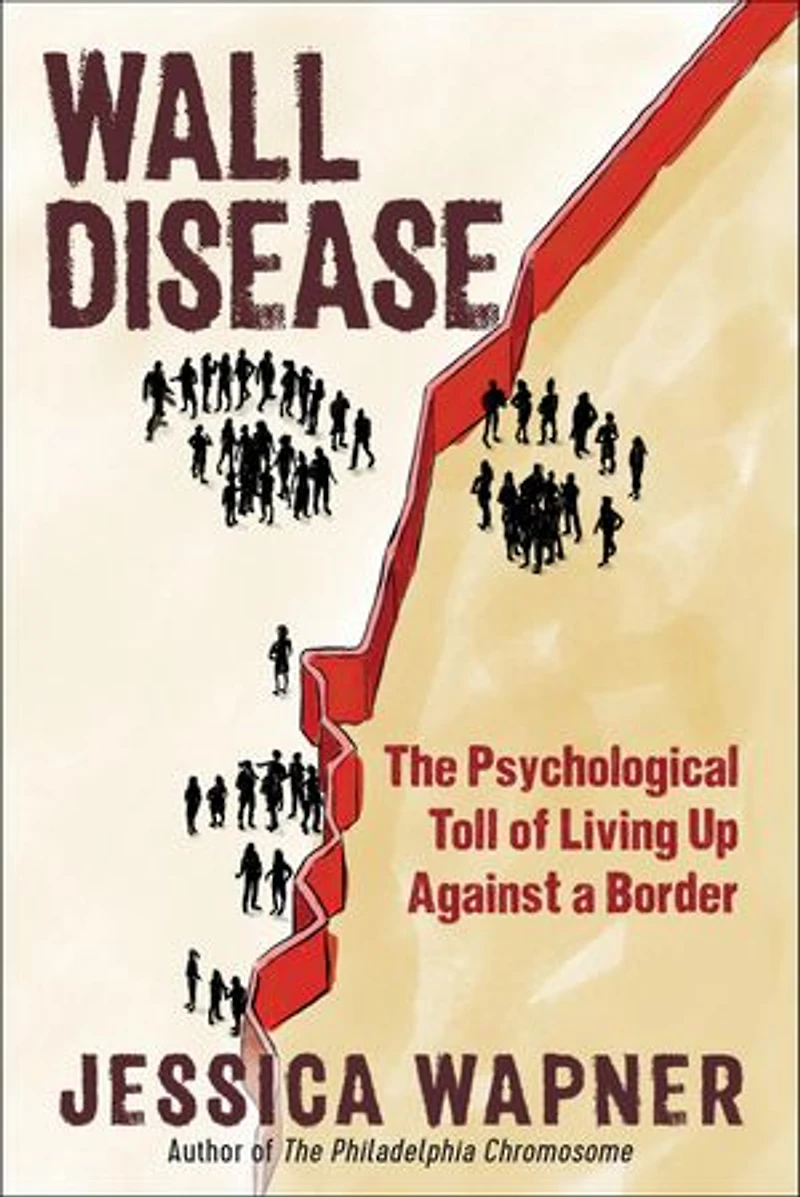
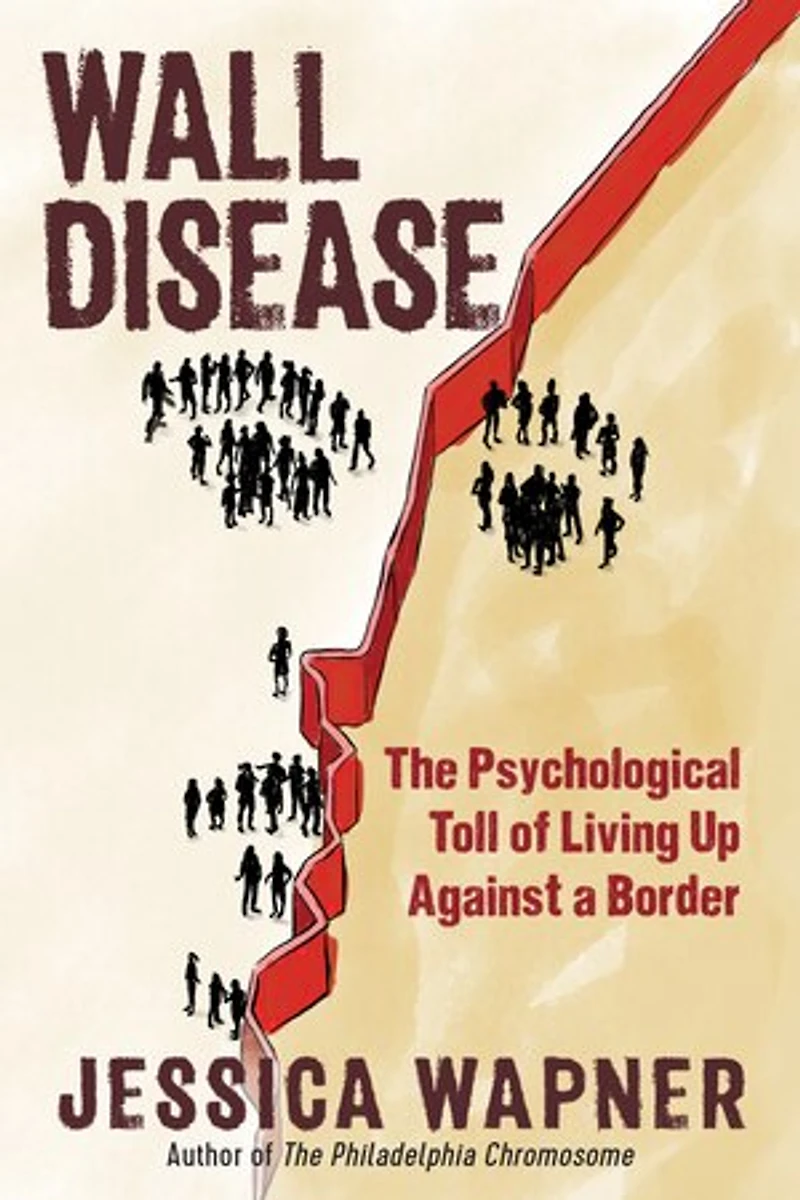
Wall Disease: The Psychological Toll Of Living Up Against A Border in Brampton, ON
Current price: $17.59
Original price: $21.99
Coles
Wall Disease: The Psychological Toll Of Living Up Against A Border in Brampton, ON
Current price: $17.59
Original price: $21.99
Loading Inventory...
Size: Kobo eBook (2020 B)
*Product information and pricing may vary - to confirm current pricing, availability, shipping, and return information please contact Coles. In the event of a pricing discrepancy, the retailer's price will apply.
East Germans were the first to give the crisis a name: Mauerkrankheit, or “wall disease.” The afflicted—everyday citizens living on both sides of the Berlin wall—displayed some combination of depression, anxiety, excitability, suicidal ideation, and paranoia. The Berlin Wall is no more, but today there are at least seventy policed borders like it. What are they doing to our minds?
Jessica Wapner investigates, following a trail of psychological harm around the world. In Brownsville, Texas, the hotly contested US-Mexico border wall instills more feelings of fear than of safety. And in eastern Europe, a Georgian grandfather pines for his homeland—cut off from his daughters, his baker, and his bank by the arbitrary path of a razor-wire fence built in 2013. Even in borderlands riven by conflict, the same walls that once offered relief become enduring reminders of trauma and helplessness.
Our brains, Wapner writes, devote “border cells” to where we can and cannot go safely—so, a wall that goes up in our town also goes up in our minds. Weaving together interviews with those living up against walls and expert testimonies from geographers, scientists, psychologists, and other specialists, she explores the growing epidemic of wall disease—and illuminates how neither those “outside” nor “inside” are immune.
East Germans were the first to give the crisis a name: Mauerkrankheit, or “wall disease.” The afflicted—everyday citizens living on both sides of the Berlin wall—displayed some combination of depression, anxiety, excitability, suicidal ideation, and paranoia. The Berlin Wall is no more, but today there are at least seventy policed borders like it. What are they doing to our minds?
Jessica Wapner investigates, following a trail of psychological harm around the world. In Brownsville, Texas, the hotly contested US-Mexico border wall instills more feelings of fear than of safety. And in eastern Europe, a Georgian grandfather pines for his homeland—cut off from his daughters, his baker, and his bank by the arbitrary path of a razor-wire fence built in 2013. Even in borderlands riven by conflict, the same walls that once offered relief become enduring reminders of trauma and helplessness.
Our brains, Wapner writes, devote “border cells” to where we can and cannot go safely—so, a wall that goes up in our town also goes up in our minds. Weaving together interviews with those living up against walls and expert testimonies from geographers, scientists, psychologists, and other specialists, she explores the growing epidemic of wall disease—and illuminates how neither those “outside” nor “inside” are immune.
You May Also Like







![Celiac Disease: A Guide to Living with Gluten Intolerance (Second Edition) [Standard Large Print 16 Pt Edition]](https://cdn.mall.adeptmind.ai/https%253A%252F%252Fcdn.shopify.com%252Fs%252Ffiles%252F1%252F0655%252F8980%252F5233%252Ffiles%252F1_f1131deb-2f44-408b-b36b-46328f9e6ef2.jpg_medium.webp)








Find at Bramalea City Centre in Brampton, ON
Visit at Bramalea City Centre in Brampton, ON