



Gifting Made Simple
Give the Gift of ChoiceClick below to purchase a Bramalea City Centre eGift Card that can be used at participating retailers at Bramalea City Centre.Purchase HereHome
Visual Computing For Architects: Imaging, Rendering, and Human Vision
Coles
Loading Inventory...
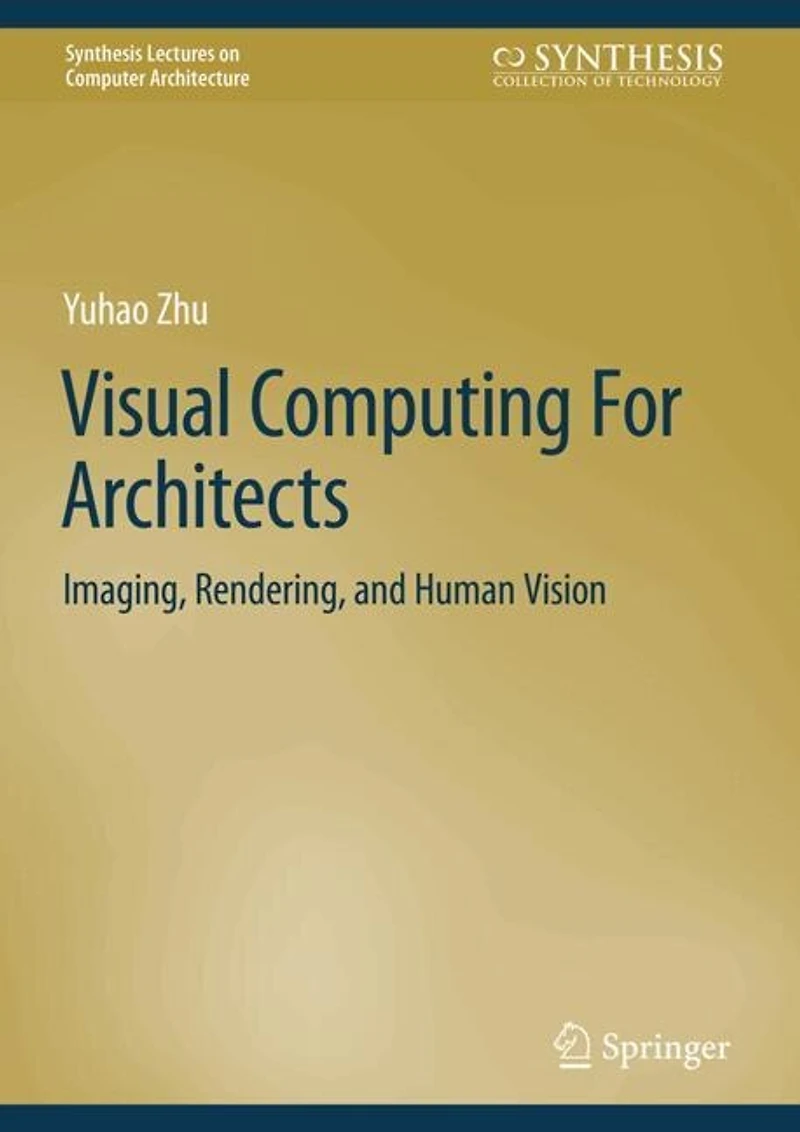
Visual Computing For Architects: Imaging, Rendering, and Human Vision in Brampton, ON
Current price: $94.95
Coles
Visual Computing For Architects: Imaging, Rendering, and Human Vision in Brampton, ON
Current price: $94.95
Loading Inventory...
Size: Hardcover
*Product information and pricing may vary - to confirm current pricing, availability, shipping, and return information please contact Coles. In the event of a pricing discrepancy, the retailer's price will apply.
This book equips computer architects with a foundational understanding of visual computing, preparing them to design next-generation visual computing systems. It presents a unified perspective, viewing visual computing as a sequence of signal transductions across multiple domains, i.e., optical, analog, digital, and semantic, alongside the processing that occurs within each. Any sufficiently complex visual computing system worth examining will likely encompass both transduction and processing across all these domains. The central message is that, to unlock new application capabilities and achieve unprecedented efficiency, computer architects must look beyond the traditional boundaries of architecture and, from the ground up, exploit the interplay between computing, imaging, displays, and human vision in a holistic system.
This book equips computer architects with a foundational understanding of visual computing, preparing them to design next-generation visual computing systems. It presents a unified perspective, viewing visual computing as a sequence of signal transductions across multiple domains, i.e., optical, analog, digital, and semantic, alongside the processing that occurs within each. Any sufficiently complex visual computing system worth examining will likely encompass both transduction and processing across all these domains. The central message is that, to unlock new application capabilities and achieve unprecedented efficiency, computer architects must look beyond the traditional boundaries of architecture and, from the ground up, exploit the interplay between computing, imaging, displays, and human vision in a holistic system.
You May Also Like












Find at Bramalea City Centre in Brampton, ON
Visit at Bramalea City Centre in Brampton, ON