



Gifting Made Simple
Give the Gift of ChoiceClick below to purchase a Bramalea City Centre eGift Card that can be used at participating retailers at Bramalea City Centre.Purchase HereHome
Violence and The Oedipal Unconscious: vol. 1, Catharsis Hypothesis
Coles
Loading Inventory...
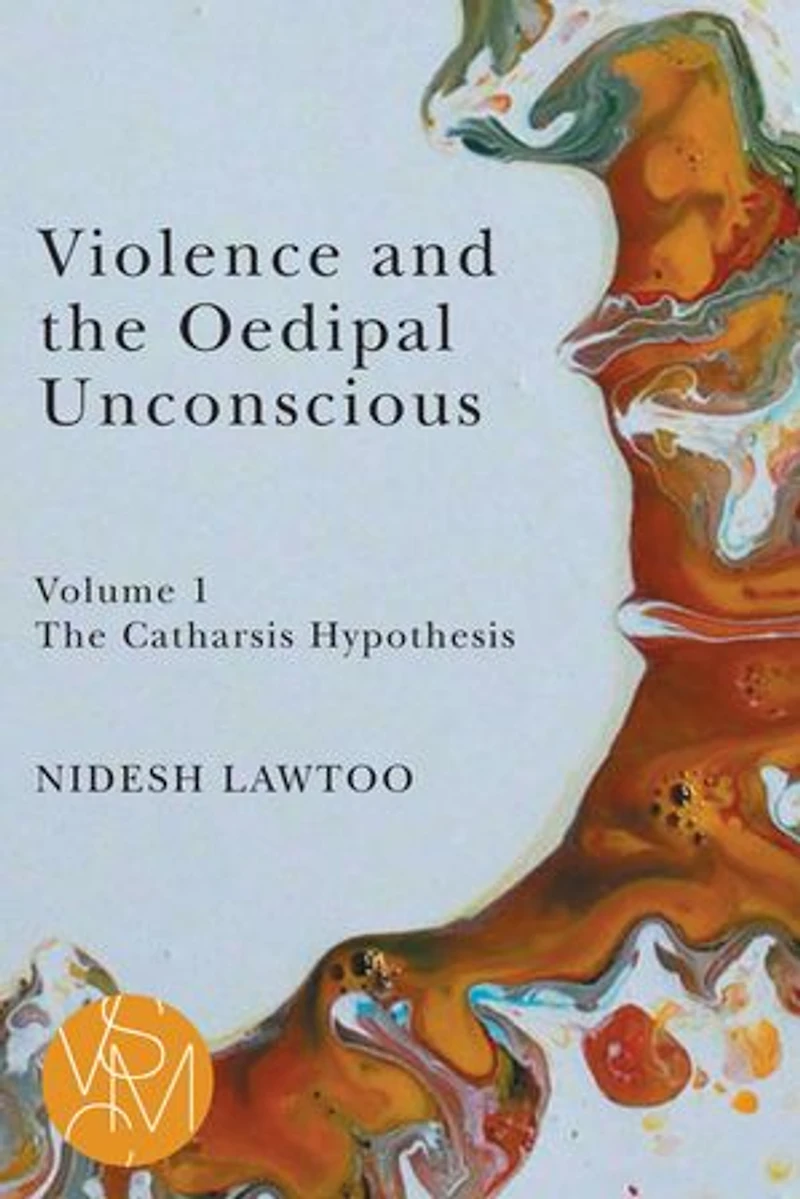

Violence and The Oedipal Unconscious: vol. 1, Catharsis Hypothesis in Brampton, ON
Current price: $24.99
Original price: $31.15
Coles
Violence and The Oedipal Unconscious: vol. 1, Catharsis Hypothesis in Brampton, ON
Current price: $24.99
Original price: $31.15
Loading Inventory...
Size: Kobo eBook
*Product information and pricing may vary - to confirm current pricing, availability, shipping, and return information please contact Coles. In the event of a pricing discrepancy, the retailer's price will apply.
Representations of violence are often said to generate cathartic effects, but what does “catharsis” mean? And what theory of the unconscious made this concept so popular that it reaches from classical antiquity to the digital age? In Violence and the Oedipal Unconscious , Nidesh Lawtoo reframes current debates on (new) media violence by tracing the philosophical, aesthetic, and historical vicissitudes of the “catharsis hypothesis” from antiquity to modernity and into the present. Drawing on theorists of mimesis from Aristotle to Nietzsche, Bernays to Breuer, Freud to Girard to Morin, Lawtoo offers a genealogy of the relationship between violence and the unconscious with at least two aims: First, this study gives an account of the birth of the Oedipal unconscious—out of a “cathartic method.” Second, it provides new theoretical foundations to solve a riddle of (new) media violence that may no longer rest on Oedipal solutions. In the process, Lawtoo outlines a new theory of violence, mimesis, and the unconscious that does not have desire as a via regia, but rather, the untimely realization that all affects spread contagiously and thus mimetically.
Representations of violence are often said to generate cathartic effects, but what does “catharsis” mean? And what theory of the unconscious made this concept so popular that it reaches from classical antiquity to the digital age? In Violence and the Oedipal Unconscious , Nidesh Lawtoo reframes current debates on (new) media violence by tracing the philosophical, aesthetic, and historical vicissitudes of the “catharsis hypothesis” from antiquity to modernity and into the present. Drawing on theorists of mimesis from Aristotle to Nietzsche, Bernays to Breuer, Freud to Girard to Morin, Lawtoo offers a genealogy of the relationship between violence and the unconscious with at least two aims: First, this study gives an account of the birth of the Oedipal unconscious—out of a “cathartic method.” Second, it provides new theoretical foundations to solve a riddle of (new) media violence that may no longer rest on Oedipal solutions. In the process, Lawtoo outlines a new theory of violence, mimesis, and the unconscious that does not have desire as a via regia, but rather, the untimely realization that all affects spread contagiously and thus mimetically.
You May Also Like



















Find at Bramalea City Centre in Brampton, ON
Visit at Bramalea City Centre in Brampton, ON