



Gifting Made Simple
Give the Gift of ChoiceClick below to purchase a Bramalea City Centre eGift Card that can be used at participating retailers at Bramalea City Centre.Purchase HereHome
Unified Command System and Unity of Command
Coles
Loading Inventory...
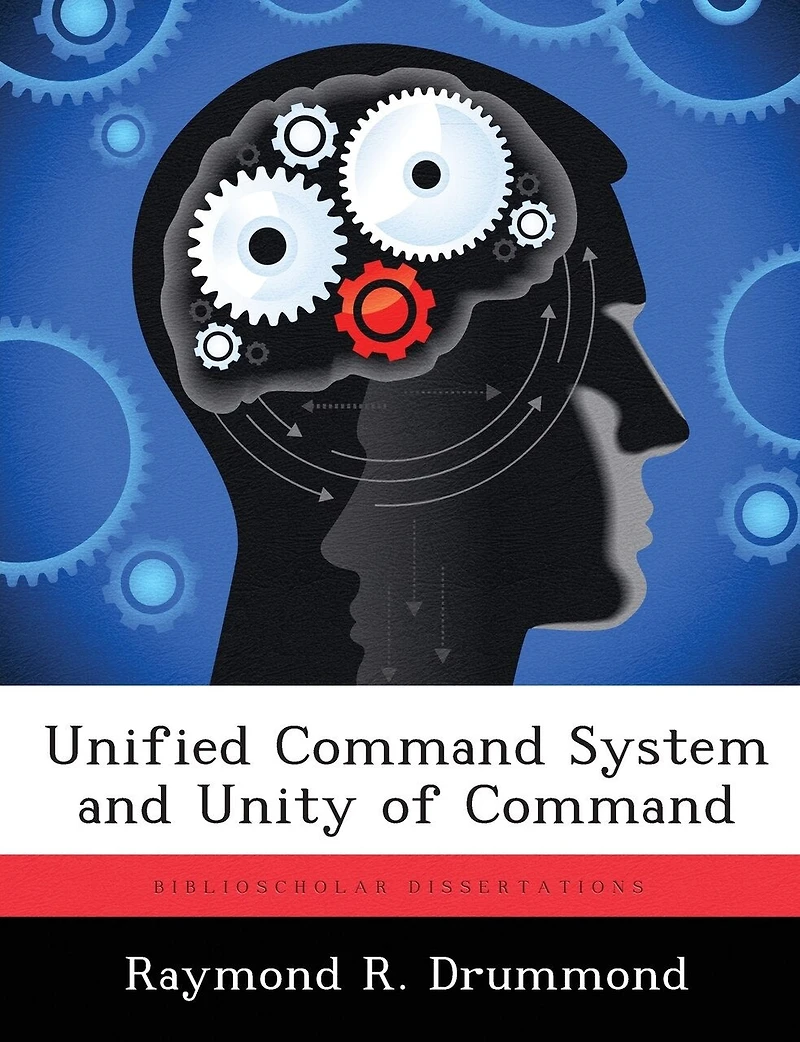
Unified Command System and Unity of Command in Brampton, ON
Current price: $59.00
Coles
Unified Command System and Unity of Command in Brampton, ON
Current price: $59.00
Loading Inventory...
Size: Paperback
*Product information and pricing may vary - to confirm current pricing, availability, shipping, and return information please contact Coles. In the event of a pricing discrepancy, the retailer's price will apply.
This study examines the ability of the current Unified Command System to provide unity of command and thereby obtain unity of effort in multi-service operations. After a brief review of the doctrinal underpinnings of the current system two historical case studies are developed -- Desert One and Grenada. These operations are viewed with the intent of determining the degree of adherence to the dictates of the current system and the unity of effort obtained. The study reveals that in both cases a departure from the existing system was evidenced. OPSEC played a critical part in detracting from the unity of effort obtainable, this largely because of the compartmentalization in planning. Additionally, ad hoc command and control and staffing arrangements evident in both cases may have been motivated by service rivalry and/or political concessions. The study concludes that existing doctrine appears adequate, though there is evidence of service resistance towards integration. This is characterized by the lack of authority generally provided to unifying entities. The resultant imbalance between responsibility and authority allows only for a loose confederation of single service forces. Lastly, service parochialism appears to emanate largely from a lack of mutual confidence and trust, and a general dearth of joint expertise. The study recommends that efforts to overcome this resistance must be initiated. These actions should include the following: enhanced education of mid-grade officers on the capabilities, techniques, and limitations of sister services, strict adherence to existing staffing guidance provided in UNAAF for multi-service commands, increased authority for unifying entities, and significant measures to enhance the prestige and rewards of joint service.
This study examines the ability of the current Unified Command System to provide unity of command and thereby obtain unity of effort in multi-service operations. After a brief review of the doctrinal underpinnings of the current system two historical case studies are developed -- Desert One and Grenada. These operations are viewed with the intent of determining the degree of adherence to the dictates of the current system and the unity of effort obtained. The study reveals that in both cases a departure from the existing system was evidenced. OPSEC played a critical part in detracting from the unity of effort obtainable, this largely because of the compartmentalization in planning. Additionally, ad hoc command and control and staffing arrangements evident in both cases may have been motivated by service rivalry and/or political concessions. The study concludes that existing doctrine appears adequate, though there is evidence of service resistance towards integration. This is characterized by the lack of authority generally provided to unifying entities. The resultant imbalance between responsibility and authority allows only for a loose confederation of single service forces. Lastly, service parochialism appears to emanate largely from a lack of mutual confidence and trust, and a general dearth of joint expertise. The study recommends that efforts to overcome this resistance must be initiated. These actions should include the following: enhanced education of mid-grade officers on the capabilities, techniques, and limitations of sister services, strict adherence to existing staffing guidance provided in UNAAF for multi-service commands, increased authority for unifying entities, and significant measures to enhance the prestige and rewards of joint service.
You May Also Like
















Find at Bramalea City Centre in Brampton, ON
Visit at Bramalea City Centre in Brampton, ON