



Gifting Made Simple
Give the Gift of ChoiceClick below to purchase a Bramalea City Centre eGift Card that can be used at participating retailers at Bramalea City Centre.Purchase HereHome
Underground Man
Coles
Loading Inventory...
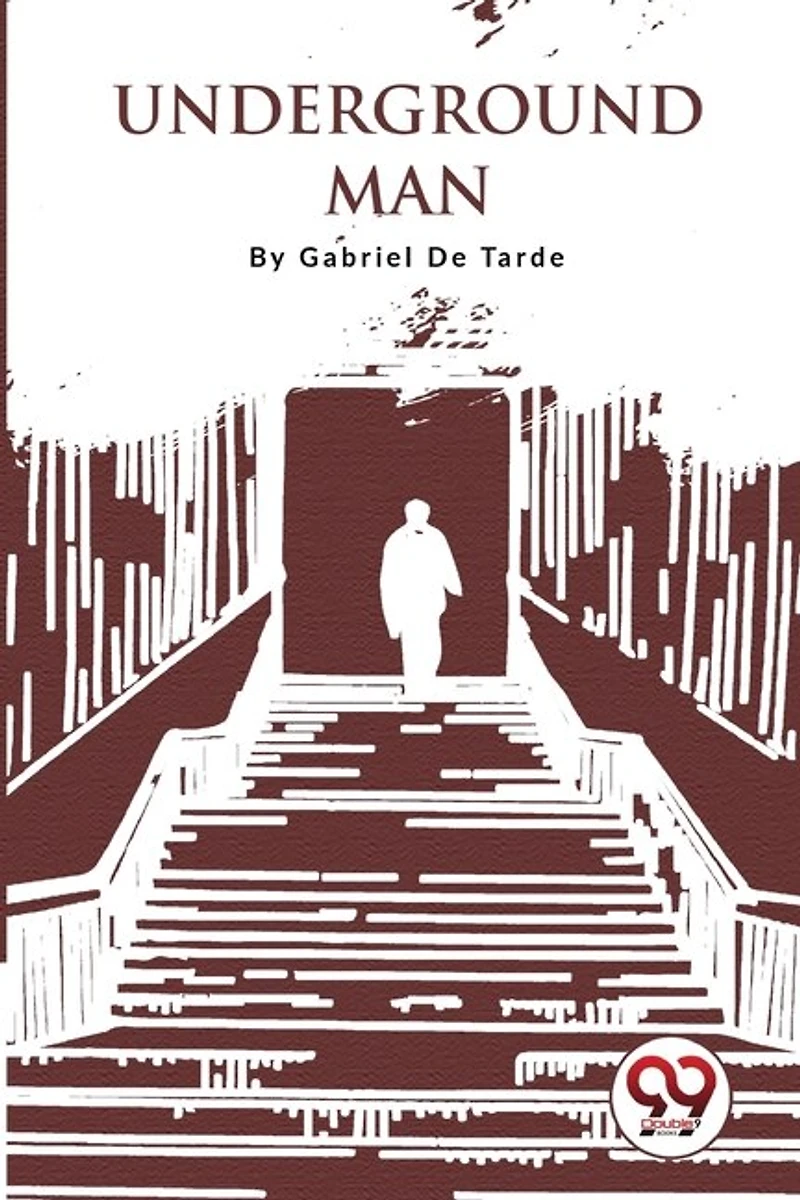
Underground Man in Brampton, ON
By None
Current price: $16.98
Coles
Underground Man in Brampton, ON
By None
Current price: $16.98
Loading Inventory...
Size: Paperback
*Product information and pricing may vary - to confirm current pricing, availability, shipping, and return information please contact Coles. In the event of a pricing discrepancy, the retailer's price will apply.
An influential French sociologist and criminologist, Gabriel de Tarde. The novel Underground Man, which was released in 1905, was created to illustrate de Tarde's belief that a person is a product of his or her social surroundings. In the novel, the sun's extinction drives humanity below, and as the migrants tunnel ever-deeper, views drastically shift. There are three parts to the book. In the first, de Tarde cynically describes how man struggles to create a utopia; in the second, the sun becomes red, the water turns to ice, and airborne nitrogen and oxygen flakes start to fall. The survivors begin creating massive crypts after becoming convinced that heat and electricity may be extracted from the earth's core. They establish a friendly, artistic society here beneath the ground, complete with incredible labor-saving devices that allow them to concentrate on producing works of art. The conclusion of de Tarde's story is that man may transcend his own fundamental character under the right circumstances.
An influential French sociologist and criminologist, Gabriel de Tarde. The novel Underground Man, which was released in 1905, was created to illustrate de Tarde's belief that a person is a product of his or her social surroundings. In the novel, the sun's extinction drives humanity below, and as the migrants tunnel ever-deeper, views drastically shift. There are three parts to the book. In the first, de Tarde cynically describes how man struggles to create a utopia; in the second, the sun becomes red, the water turns to ice, and airborne nitrogen and oxygen flakes start to fall. The survivors begin creating massive crypts after becoming convinced that heat and electricity may be extracted from the earth's core. They establish a friendly, artistic society here beneath the ground, complete with incredible labor-saving devices that allow them to concentrate on producing works of art. The conclusion of de Tarde's story is that man may transcend his own fundamental character under the right circumstances.
You May Also Like












More About Coles at Bramalea City Centre
Making Connections. Creating Experiences. We exist to add a little joy to our customers’ lives, each time they interact with us.
Store Info
Find Coles at Bramalea City Centre in Brampton, ON
Visit Coles at Bramalea City Centre in Brampton, ON