



Gifting Made Simple
Give the Gift of ChoiceClick below to purchase a Bramalea City Centre eGift Card that can be used at participating retailers at Bramalea City Centre.Purchase HereHome
Unconventional Reservoirs: Rate And Pressure Transient Analysis Techniques: A Reservoir Engineering Approach
Coles
Loading Inventory...
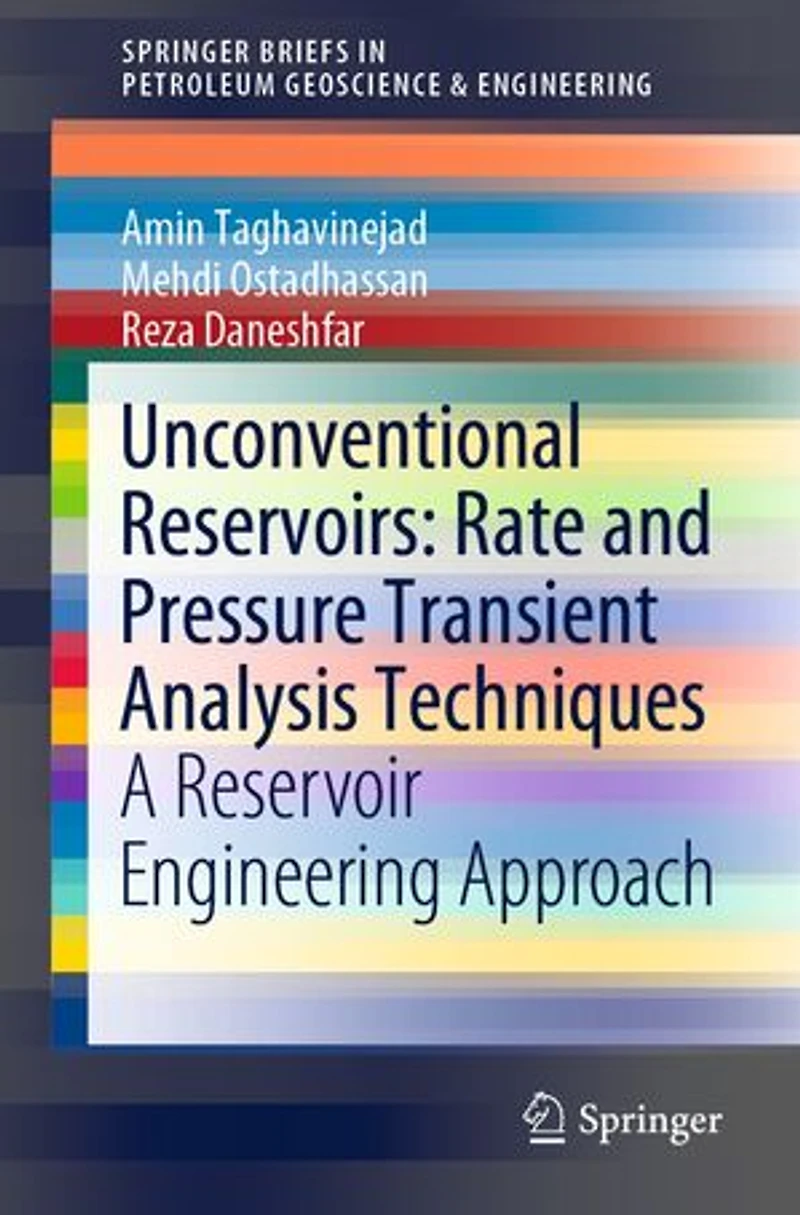
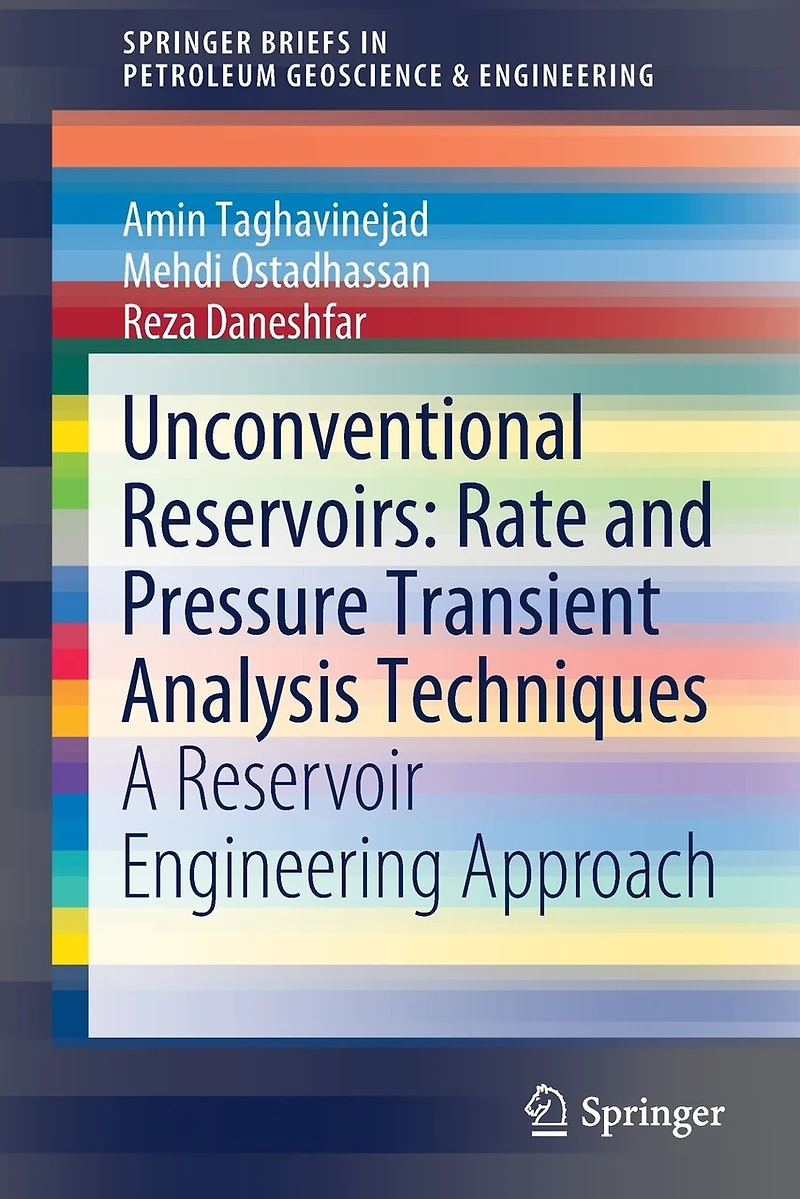
Unconventional Reservoirs: Rate And Pressure Transient Analysis Techniques: A Reservoir Engineering Approach in Brampton, ON
Current price: $83.89
Original price: $104.81
Coles
Unconventional Reservoirs: Rate And Pressure Transient Analysis Techniques: A Reservoir Engineering Approach in Brampton, ON
Current price: $83.89
Original price: $104.81
Loading Inventory...
Size: Kobo eBook
*Product information and pricing may vary - to confirm current pricing, availability, shipping, and return information please contact Coles. In the event of a pricing discrepancy, the retailer's price will apply.
This book provides a succinct overview on the application of rate and pressure transient analysis in unconventional petroleum reservoirs. It begins by introducing unconventional reservoirs, including production challenges, and continues to explore the potential benefits of rate and pressure analysis methods. Rate transient analysis (RTA) and pressure transient analysis (PTA) are techniques for evaluating petroleum reservoir properties such as permeability, original hydrocarbon in-place, and hydrocarbon recovery using dynamic data. The brief introduces, describes and classifies both techniques, focusing on the application to shale and tight reservoirs. Authors have used illustrations, schematic views, and mathematical formulations and code programs to clearly explain application of RTA and PTA in complex petroleum systems. This brief is of an interest to academics, reservoir engineers and graduate students.
This book provides a succinct overview on the application of rate and pressure transient analysis in unconventional petroleum reservoirs. It begins by introducing unconventional reservoirs, including production challenges, and continues to explore the potential benefits of rate and pressure analysis methods. Rate transient analysis (RTA) and pressure transient analysis (PTA) are techniques for evaluating petroleum reservoir properties such as permeability, original hydrocarbon in-place, and hydrocarbon recovery using dynamic data. The brief introduces, describes and classifies both techniques, focusing on the application to shale and tight reservoirs. Authors have used illustrations, schematic views, and mathematical formulations and code programs to clearly explain application of RTA and PTA in complex petroleum systems. This brief is of an interest to academics, reservoir engineers and graduate students.
You May Also Like











Find at Bramalea City Centre in Brampton, ON
Visit at Bramalea City Centre in Brampton, ON