



Gifting Made Simple
Give the Gift of ChoiceClick below to purchase a Bramalea City Centre eGift Card that can be used at participating retailers at Bramalea City Centre.Purchase HereHome
Transnational European Cinema: Representation, Audiences, Identity
Coles
Loading Inventory...
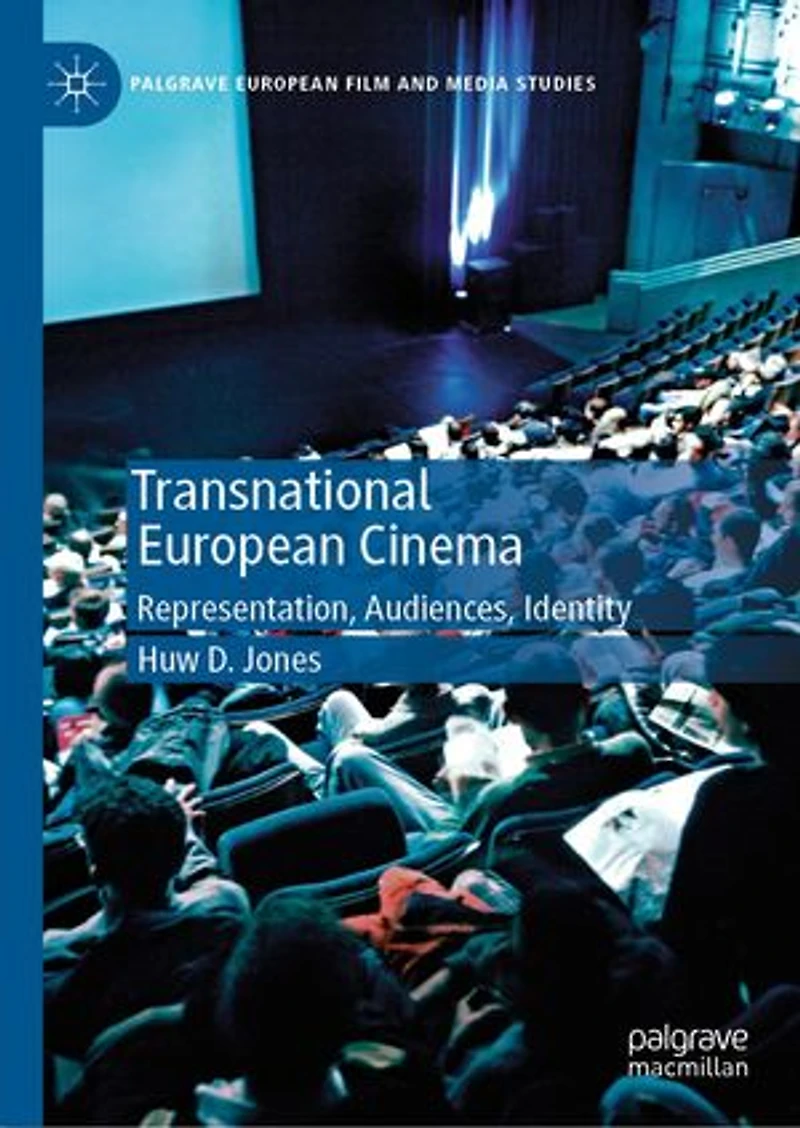
Transnational European Cinema: Representation, Audiences, Identity in Brampton, ON
Current price: $144.69
Original price: $180.84
Coles
Transnational European Cinema: Representation, Audiences, Identity in Brampton, ON
Current price: $144.69
Original price: $180.84
Loading Inventory...
Size: Kobo eBook
*Product information and pricing may vary - to confirm current pricing, availability, shipping, and return information please contact Coles. In the event of a pricing discrepancy, the retailer's price will apply.
This book explores how audiences in contemporary Europe engage with films from other European countries. It draws on admissions data, surveys, and focus group discussions from across the continent to explain why viewers are attracted to particular European films, nationalities, and genres, including action-adventures, family films, animations, biopics, period dramas, thrillers, comedies, contemporary drama, and romance. It also examines how these films are financed, produced, and distributed, how they represent Europe and other Europeans, and how they affect audiences. Case-studies range from mainstream movies like Skyfall , Taken, Asterix & Obelix: God Save Britannia , and Sammy's Adventures: A Turtle's Tale to more middlebrow and arthouse titles, such as The Lives of Others , Volver , Coco Before Chanel , The Girl with the Dragon Tattoo , Intouchables, The Angels' Share , Ida , The Hunt , and Blue Is the Warmest Colour . The study shows that watching European films can sometimes improve people's understandings of other countries and make them feel more European. However, this is limited by the strong preference for Anglo-American action-adventures that offer few insights into the realities of European life. While some popular European arthouse films explore a wider range of nationalities, social issues, and historical events, these mainly appeal to urban-dwelling graduates. They can also sometimes accentuate tensions between Europeans instead of bringing them together. The book discusses what these findings mean for the European film industry, audiovisual policy, and scholarship on transnational and European cinema. It also considers how surveys, focus groups, databases and other methods that go beyond traditional textual analysis can offer new insights into our understanding of film.
This book explores how audiences in contemporary Europe engage with films from other European countries. It draws on admissions data, surveys, and focus group discussions from across the continent to explain why viewers are attracted to particular European films, nationalities, and genres, including action-adventures, family films, animations, biopics, period dramas, thrillers, comedies, contemporary drama, and romance. It also examines how these films are financed, produced, and distributed, how they represent Europe and other Europeans, and how they affect audiences. Case-studies range from mainstream movies like Skyfall , Taken, Asterix & Obelix: God Save Britannia , and Sammy's Adventures: A Turtle's Tale to more middlebrow and arthouse titles, such as The Lives of Others , Volver , Coco Before Chanel , The Girl with the Dragon Tattoo , Intouchables, The Angels' Share , Ida , The Hunt , and Blue Is the Warmest Colour . The study shows that watching European films can sometimes improve people's understandings of other countries and make them feel more European. However, this is limited by the strong preference for Anglo-American action-adventures that offer few insights into the realities of European life. While some popular European arthouse films explore a wider range of nationalities, social issues, and historical events, these mainly appeal to urban-dwelling graduates. They can also sometimes accentuate tensions between Europeans instead of bringing them together. The book discusses what these findings mean for the European film industry, audiovisual policy, and scholarship on transnational and European cinema. It also considers how surveys, focus groups, databases and other methods that go beyond traditional textual analysis can offer new insights into our understanding of film.
You May Also Like










Find at Bramalea City Centre in Brampton, ON
Visit at Bramalea City Centre in Brampton, ON