



Gifting Made Simple
Give the Gift of ChoiceClick below to purchase a Bramalea City Centre eGift Card that can be used at participating retailers at Bramalea City Centre.Purchase HereHome
Transimperial Anxieties: The Making and Unmaking of Arab Ottomans São Paulo, Brazil, 1850–1940
Coles
Loading Inventory...
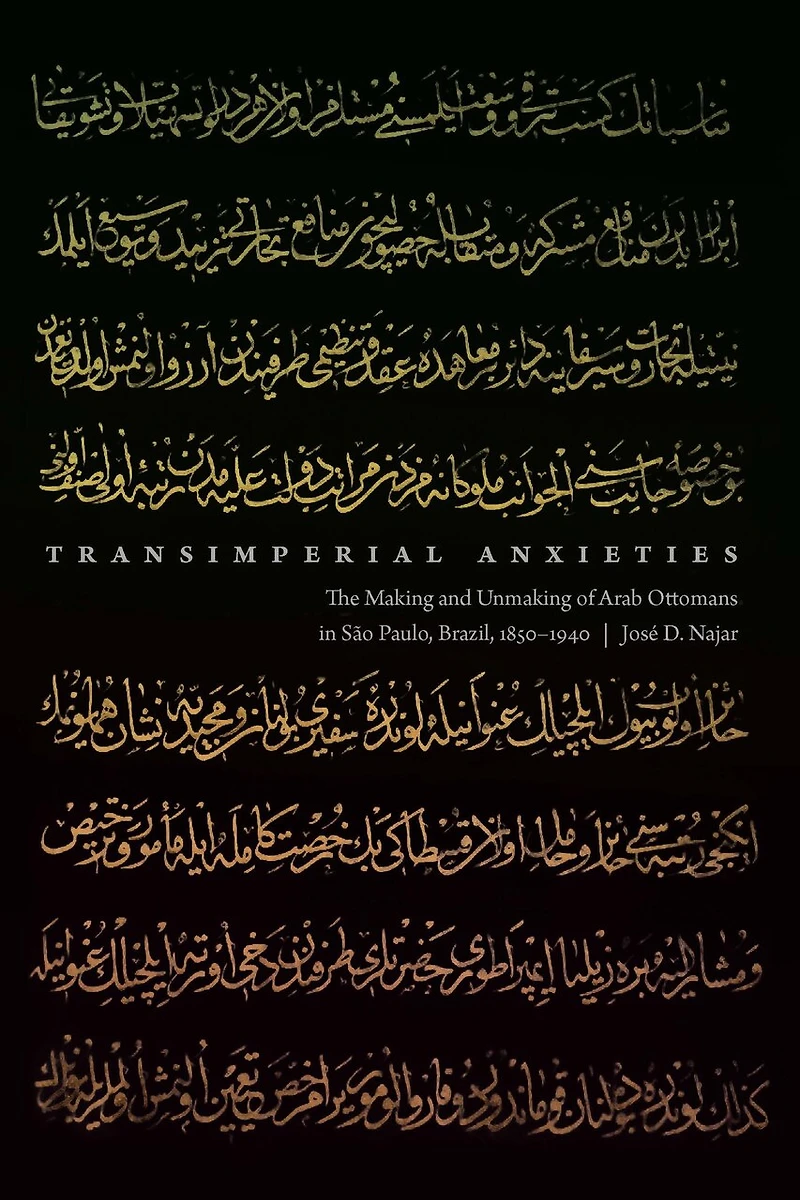
Transimperial Anxieties: The Making and Unmaking of Arab Ottomans São Paulo, Brazil, 1850–1940 in Brampton, ON
Current price: $87.95
Coles
Transimperial Anxieties: The Making and Unmaking of Arab Ottomans São Paulo, Brazil, 1850–1940 in Brampton, ON
Current price: $87.95
Loading Inventory...
Size: Hardcover
*Product information and pricing may vary - to confirm current pricing, availability, shipping, and return information please contact Coles. In the event of a pricing discrepancy, the retailer's price will apply.
From the late 1850s to the 1940s, multiple colonial projects, often in tension with each other, influenced the formation of local, transimperial, and transnational political identities of Arab Ottoman subjects in the eastern Mediterranean and the Western Hemisphere. Arab Ottoman men, women, and their descendants were generally accepted as whites in a racially stratified Brazilian society. Local anxieties about color and race among white Brazilians and European immigrants, however, soon challenged the white racial status the Brazilian state afforded to Arab Ottoman immigrants.
In Transimperial Anxieties José D. Najar analyzes how overlapping transimperial processes of migration and return, community conflicts, and social adaption shaped the gendered, racial, and ethnic identity politics surrounding Arab Ottoman subjects and their descendants in Brazil. Upon arrival to the Brazilian Empire, Arab Ottoman subjects were referred to as turcos , an all-encompassing ethnic identity encased in Islamophobia and antisemitism, which forced the immigrants to renegotiate their identities in order to secure the possibility of upward mobility and national belonging. By exploring the relationship between race and gender in negotiating international and interimperial politics and law, national identity, and religion, Transimperial Anxieties advances understanding of the local and global forces shaping the lives of Arab Ottoman immigrants and their descendants in Brazil, and their reciprocity to state structure.
From the late 1850s to the 1940s, multiple colonial projects, often in tension with each other, influenced the formation of local, transimperial, and transnational political identities of Arab Ottoman subjects in the eastern Mediterranean and the Western Hemisphere. Arab Ottoman men, women, and their descendants were generally accepted as whites in a racially stratified Brazilian society. Local anxieties about color and race among white Brazilians and European immigrants, however, soon challenged the white racial status the Brazilian state afforded to Arab Ottoman immigrants.
In Transimperial Anxieties José D. Najar analyzes how overlapping transimperial processes of migration and return, community conflicts, and social adaption shaped the gendered, racial, and ethnic identity politics surrounding Arab Ottoman subjects and their descendants in Brazil. Upon arrival to the Brazilian Empire, Arab Ottoman subjects were referred to as turcos , an all-encompassing ethnic identity encased in Islamophobia and antisemitism, which forced the immigrants to renegotiate their identities in order to secure the possibility of upward mobility and national belonging. By exploring the relationship between race and gender in negotiating international and interimperial politics and law, national identity, and religion, Transimperial Anxieties advances understanding of the local and global forces shaping the lives of Arab Ottoman immigrants and their descendants in Brazil, and their reciprocity to state structure.
You May Also Like












Find at Bramalea City Centre in Brampton, ON
Visit at Bramalea City Centre in Brampton, ON