



Gifting Made Simple
Give the Gift of ChoiceClick below to purchase a Bramalea City Centre eGift Card that can be used at participating retailers at Bramalea City Centre.Purchase HereHome
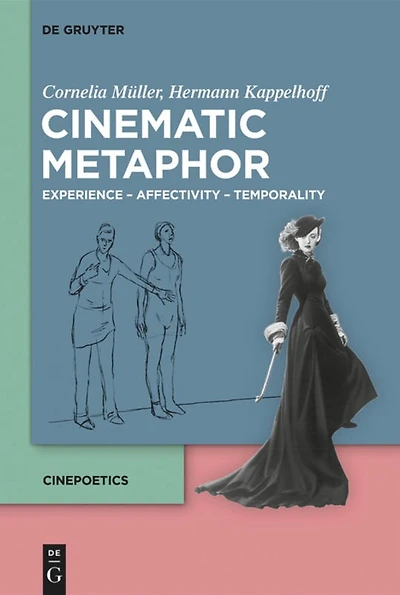
Time Machine: Cinematic Temporalities
Coles
Loading Inventory...
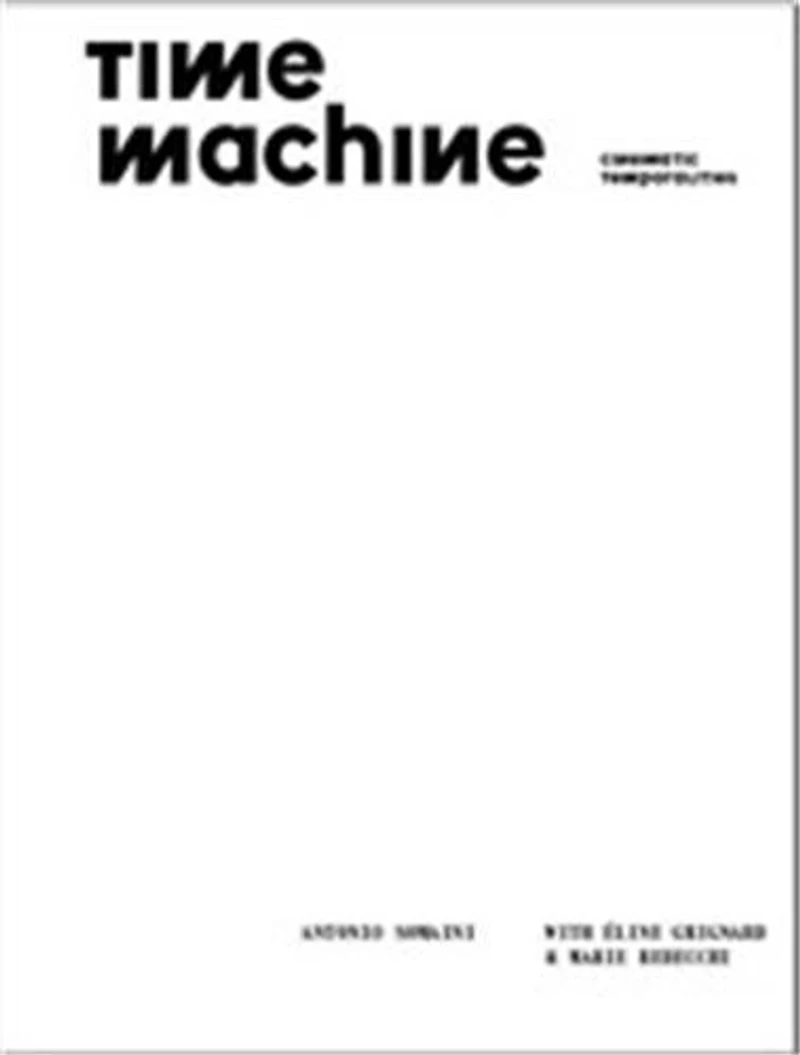
Time Machine: Cinematic Temporalities in Brampton, ON
Current price: $54.95
Coles
Time Machine: Cinematic Temporalities in Brampton, ON
Current price: $54.95
Loading Inventory...
Size: Paperback
*Product information and pricing may vary - to confirm current pricing, availability, shipping, and return information please contact Coles. In the event of a pricing discrepancy, the retailer's price will apply.
How cinema and video have transformed our perception of time The year 1895 saw two events, from which Time Machine: Cinematic Temporalities takes its bearings: the publication of H.G. Wells’ “scientific romance” The Time Machine: An Invention , the first literary work in which movement through time is made possible by technology; and the first public presentation, on the evening of December 28, 1895, of the Lumière Brothers’ Cinématographe.
Based on these two moments, Time Machine shows how cinema, video and video installations have transformed our perception of time through techniques of slow motion and acceleration, loops and reversals, time-lapse and freeze-frame, multiple exposure and stop-motion animation, as well as through montage: that crucial act of separating and joining images and sounds which has often been considered as one of cinema’s defining traits.
The 11 texts in this volume shed new light on the aesthetic, epistemological, political and media-theoretical implications of cinematic time manipulation.
How cinema and video have transformed our perception of time The year 1895 saw two events, from which Time Machine: Cinematic Temporalities takes its bearings: the publication of H.G. Wells’ “scientific romance” The Time Machine: An Invention , the first literary work in which movement through time is made possible by technology; and the first public presentation, on the evening of December 28, 1895, of the Lumière Brothers’ Cinématographe.
Based on these two moments, Time Machine shows how cinema, video and video installations have transformed our perception of time through techniques of slow motion and acceleration, loops and reversals, time-lapse and freeze-frame, multiple exposure and stop-motion animation, as well as through montage: that crucial act of separating and joining images and sounds which has often been considered as one of cinema’s defining traits.
The 11 texts in this volume shed new light on the aesthetic, epistemological, political and media-theoretical implications of cinematic time manipulation.
You May Also Like









Find at Bramalea City Centre in Brampton, ON
Visit at Bramalea City Centre in Brampton, ON