



Gifting Made Simple
Give the Gift of ChoiceClick below to purchase a Bramalea City Centre eGift Card that can be used at participating retailers at Bramalea City Centre.Purchase HereHome
Thought-Forms
Coles
Loading Inventory...
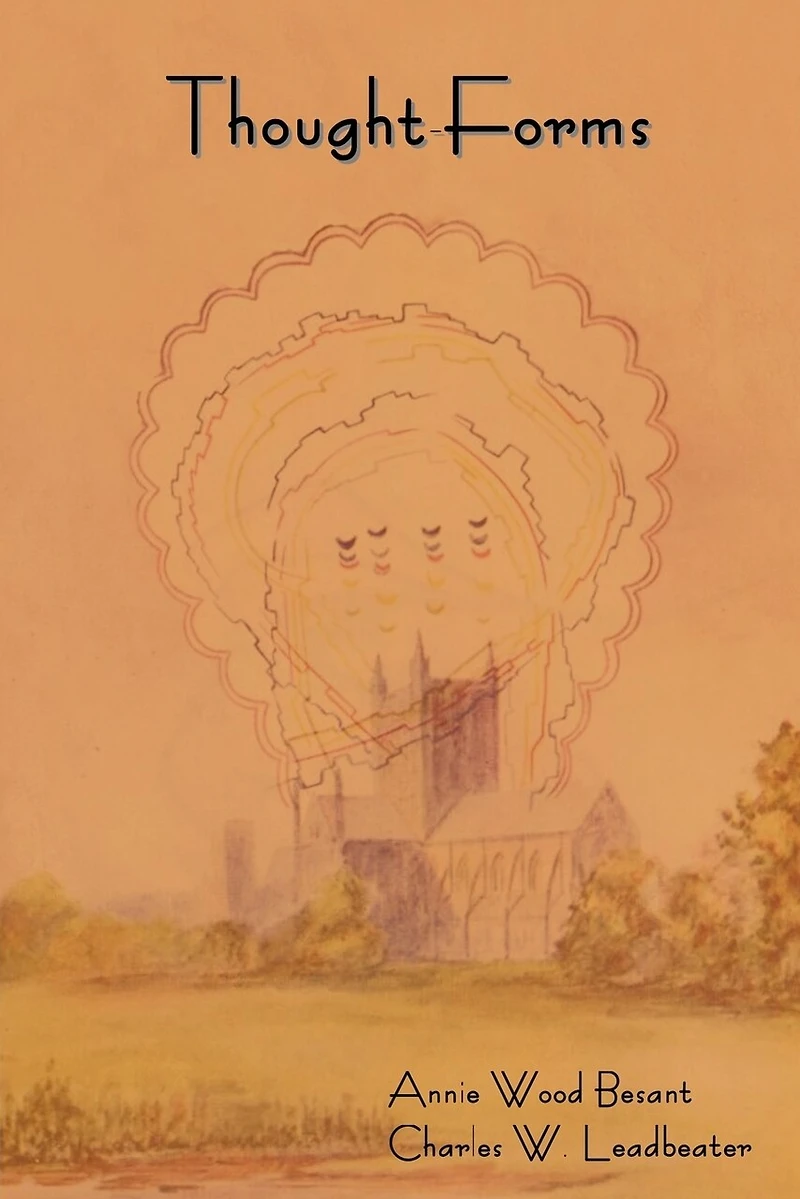
Thought-Forms in Brampton, ON
Current price: $12.95
Coles
Thought-Forms in Brampton, ON
Current price: $12.95
Loading Inventory...
Size: Paperback
*Product information and pricing may vary - to confirm current pricing, availability, shipping, and return information please contact Coles. In the event of a pricing discrepancy, the retailer's price will apply.
Thought Forms is a book, by Annie Besant and C.W. Leadbeater, which is a study on the nature and power of thoughts. The authors state that thoughts have two effects: "a radiating vibration and a floating form". Thought forms are divided into three classes: - That which takes the image of the thinker. - That which takes the image of some material object. - That which takes a form entirely its own, expressing its inherent qualities in the matter which it draws round it. The effect of music, emotions, and colors on thought forms is also studied in the book. The effect of the music of Felix Mendelssohn (No. 9 of his "Songs without words"), Charles Gounod (Soldiers Chorus from "Faust") and Richard Wagner (Overture to "The Meistersingers") is studied. The music of Wagner produced a "marvellos mountain-range" on the thought forms.
Thought Forms is a book, by Annie Besant and C.W. Leadbeater, which is a study on the nature and power of thoughts. The authors state that thoughts have two effects: "a radiating vibration and a floating form". Thought forms are divided into three classes: - That which takes the image of the thinker. - That which takes the image of some material object. - That which takes a form entirely its own, expressing its inherent qualities in the matter which it draws round it. The effect of music, emotions, and colors on thought forms is also studied in the book. The effect of the music of Felix Mendelssohn (No. 9 of his "Songs without words"), Charles Gounod (Soldiers Chorus from "Faust") and Richard Wagner (Overture to "The Meistersingers") is studied. The music of Wagner produced a "marvellos mountain-range" on the thought forms.
You May Also Like











Find at Bramalea City Centre in Brampton, ON
Visit at Bramalea City Centre in Brampton, ON