



Gifting Made Simple
Give the Gift of ChoiceClick below to purchase a Bramalea City Centre eGift Card that can be used at participating retailers at Bramalea City Centre.Purchase HereHome
Theories of Ballet in the Age of the Encyclopédie
Coles
Loading Inventory...
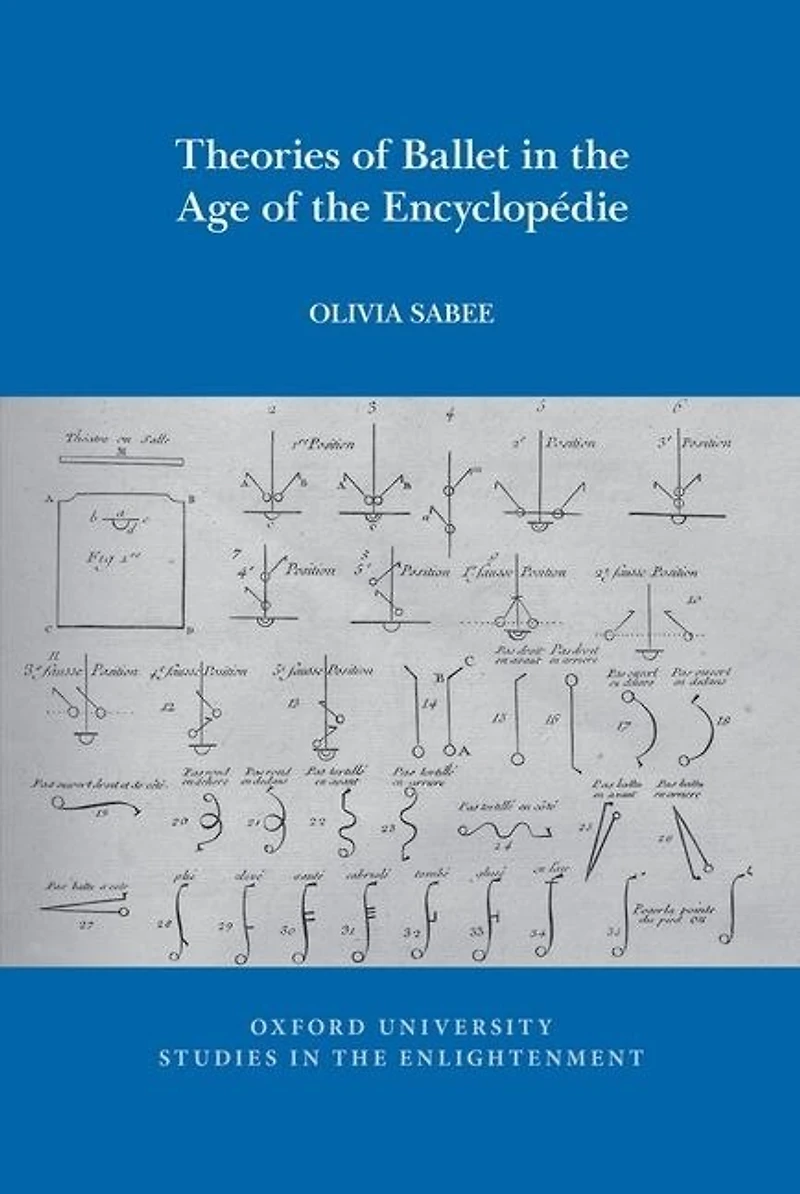
Theories of Ballet in the Age of the Encyclopédie in Brampton, ON
Current price: $148.95
Coles
Theories of Ballet in the Age of the Encyclopédie in Brampton, ON
Current price: $148.95
Loading Inventory...
Size: Paperback
*Product information and pricing may vary - to confirm current pricing, availability, shipping, and return information please contact Coles. In the event of a pricing discrepancy, the retailer's price will apply.
In Enlightenment Europe, a new form of pantomime ballet emerged, through the dual channels of theorization in print and experimentation onstage. Emphasizing eighteenth-century ballet’s construction through print culture, Theories of Ballet in the Age of the Encyclopdie follows two parallel paths—standalone treatises on ballet and dance and encyclopedias—to examine the shifting definition of ballet over the second half of the eighteenth century. Bringing together the Encyclopdie and its Supplment , the Encyclopdie mthodique , and the Encyclopdie d’Yverdon with the works of Jean-Georges Noverre, Louis de Cahusac, and Charles Compan, it traces how the recycling and recombining of discourses about dance, theatre, and movement arts directly affected the process of defining ballet. At the same time, it emphasizes the role of textual borrowing and compilation in disseminating knowledge during the Enlightenment, examining the differences between placing borrowed texts into encyclopedias of various types as well as into journal format, arguing that context has the potential to play a role equally important to content in shaping a reader’s understanding, and that the Encyclopdie mthodique presented ballet in a way that diverged radically from both the Encyclopdie and Noverre’s Lettres sur la danse .
In Enlightenment Europe, a new form of pantomime ballet emerged, through the dual channels of theorization in print and experimentation onstage. Emphasizing eighteenth-century ballet’s construction through print culture, Theories of Ballet in the Age of the Encyclopdie follows two parallel paths—standalone treatises on ballet and dance and encyclopedias—to examine the shifting definition of ballet over the second half of the eighteenth century. Bringing together the Encyclopdie and its Supplment , the Encyclopdie mthodique , and the Encyclopdie d’Yverdon with the works of Jean-Georges Noverre, Louis de Cahusac, and Charles Compan, it traces how the recycling and recombining of discourses about dance, theatre, and movement arts directly affected the process of defining ballet. At the same time, it emphasizes the role of textual borrowing and compilation in disseminating knowledge during the Enlightenment, examining the differences between placing borrowed texts into encyclopedias of various types as well as into journal format, arguing that context has the potential to play a role equally important to content in shaping a reader’s understanding, and that the Encyclopdie mthodique presented ballet in a way that diverged radically from both the Encyclopdie and Noverre’s Lettres sur la danse .
You May Also Like













Find at Bramalea City Centre in Brampton, ON
Visit at Bramalea City Centre in Brampton, ON