



Gifting Made Simple
Give the Gift of ChoiceClick below to purchase a Bramalea City Centre eGift Card that can be used at participating retailers at Bramalea City Centre.Purchase HereHome
the Writers, Artists, Singers, and Musicians of National Hungarian Jewish Cultural Association (OMIKE), 1939–1944
Coles
Loading Inventory...
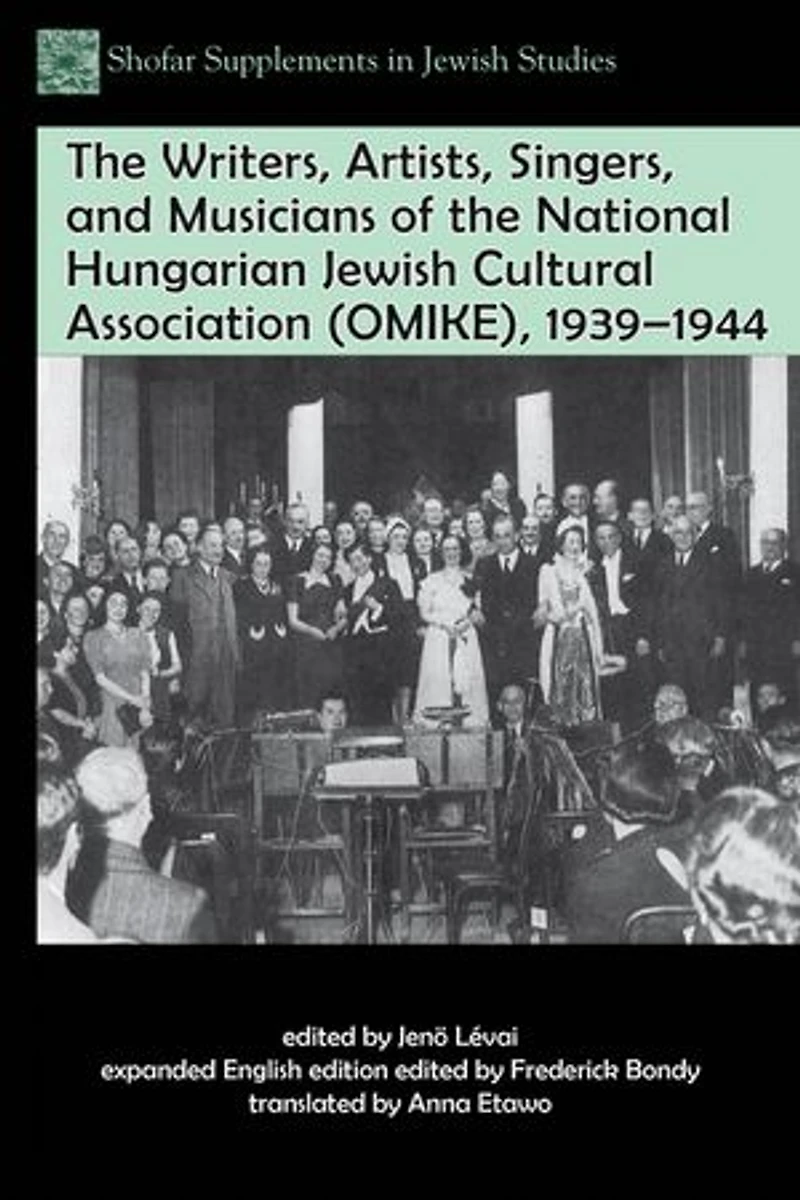
the Writers, Artists, Singers, and Musicians of National Hungarian Jewish Cultural Association (OMIKE), 1939–1944 in Brampton, ON
Current price: $36.79
Original price: $45.99
Coles
the Writers, Artists, Singers, and Musicians of National Hungarian Jewish Cultural Association (OMIKE), 1939–1944 in Brampton, ON
Current price: $36.79
Original price: $45.99
Loading Inventory...
Size: Kobo eBook
*Product information and pricing may vary - to confirm current pricing, availability, shipping, and return information please contact Coles. In the event of a pricing discrepancy, the retailer's price will apply.
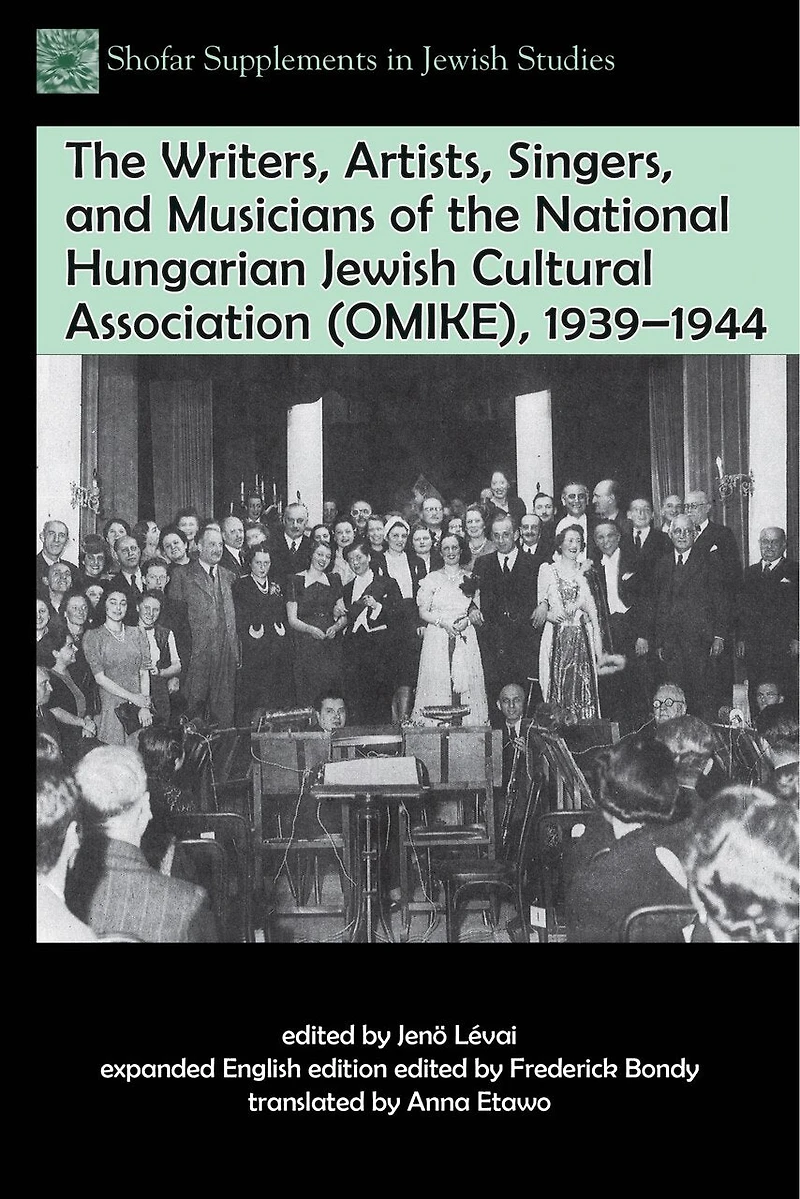
In May 1938, Hungary passed anti-Semitic laws causing hundreds of Jewish artists to lose their jobs. In response, Budapest's Jewish community leaders organized an Artistic Enterprise under the aegis of OMIKE Orsz�gos Magyar Izraelita K�zm?vel?d�si Egyes�let (Hungarian Jewish Education Association) to provide employment and livelihood for actors, singers, musicians, conductors, composers, writers, playwrights, painters, graphic artists, and sculptors. Between 1939 and 1944, activities were centered in Goldmark Hall beside the Doh�ny Street Synagogue in Budapest. Hundreds of artists from all over Hungary took part in about one thousand performances, including plays, concerts, cabaret, ballet, operas, and operettas. These performances appealed to the highly cultured Budapest Jewish community, ever desirous of high-caliber events, particularly under oppressive conditions of the time. Art exhibitions also were held for painters, graphic artists, and sculptors to sell their creations. L�vai's 1943 book (with new, additional chapters by noted historians and musicians) is the core of this expanded edition and provides interviews with individual artists who recall their early lives and circumstances that led them to join the Artistic Enterprise. The book records the technical functioning, structure, and operation of this remarkable theater and concert venue. It provides fascinating details about those who worked behind the scenes: r�p�titeurs, hair stylists, and personnel involved with costumes, lighting, and scenery. Because the stage was small, clever choreographic and scenery improvisation had to be made, and the stagehands were clearly up to the task. Since these artists were not allowed to perform before the general public or advertise with posters on the streets, the book describes special means devised to overcome these difficulties and bring Jewish audiences into the theater in large numbers. Lastly, the book carries the theater's story up to Sunday morning, March 19, 1944, a day of infamy, when the German army marched into Hungary.
In May 1938, Hungary passed anti-Semitic laws causing hundreds of Jewish artists to lose their jobs. In response, Budapest's Jewish community leaders organized an Artistic Enterprise under the aegis of OMIKE Orsz�gos Magyar Izraelita K�zm?vel?d�si Egyes�let (Hungarian Jewish Education Association) to provide employment and livelihood for actors, singers, musicians, conductors, composers, writers, playwrights, painters, graphic artists, and sculptors. Between 1939 and 1944, activities were centered in Goldmark Hall beside the Doh�ny Street Synagogue in Budapest. Hundreds of artists from all over Hungary took part in about one thousand performances, including plays, concerts, cabaret, ballet, operas, and operettas. These performances appealed to the highly cultured Budapest Jewish community, ever desirous of high-caliber events, particularly under oppressive conditions of the time. Art exhibitions also were held for painters, graphic artists, and sculptors to sell their creations. L�vai's 1943 book (with new, additional chapters by noted historians and musicians) is the core of this expanded edition and provides interviews with individual artists who recall their early lives and circumstances that led them to join the Artistic Enterprise. The book records the technical functioning, structure, and operation of this remarkable theater and concert venue. It provides fascinating details about those who worked behind the scenes: r�p�titeurs, hair stylists, and personnel involved with costumes, lighting, and scenery. Because the stage was small, clever choreographic and scenery improvisation had to be made, and the stagehands were clearly up to the task. Since these artists were not allowed to perform before the general public or advertise with posters on the streets, the book describes special means devised to overcome these difficulties and bring Jewish audiences into the theater in large numbers. Lastly, the book carries the theater's story up to Sunday morning, March 19, 1944, a day of infamy, when the German army marched into Hungary.
You May Also Like



















Find at Bramalea City Centre in Brampton, ON
Visit at Bramalea City Centre in Brampton, ON