



Gifting Made Simple
Give the Gift of ChoiceClick below to purchase a Bramalea City Centre eGift Card that can be used at participating retailers at Bramalea City Centre.Purchase HereHome
The World Reimagined: Americans And Human Rights Twentieth Century
Coles
Loading Inventory...
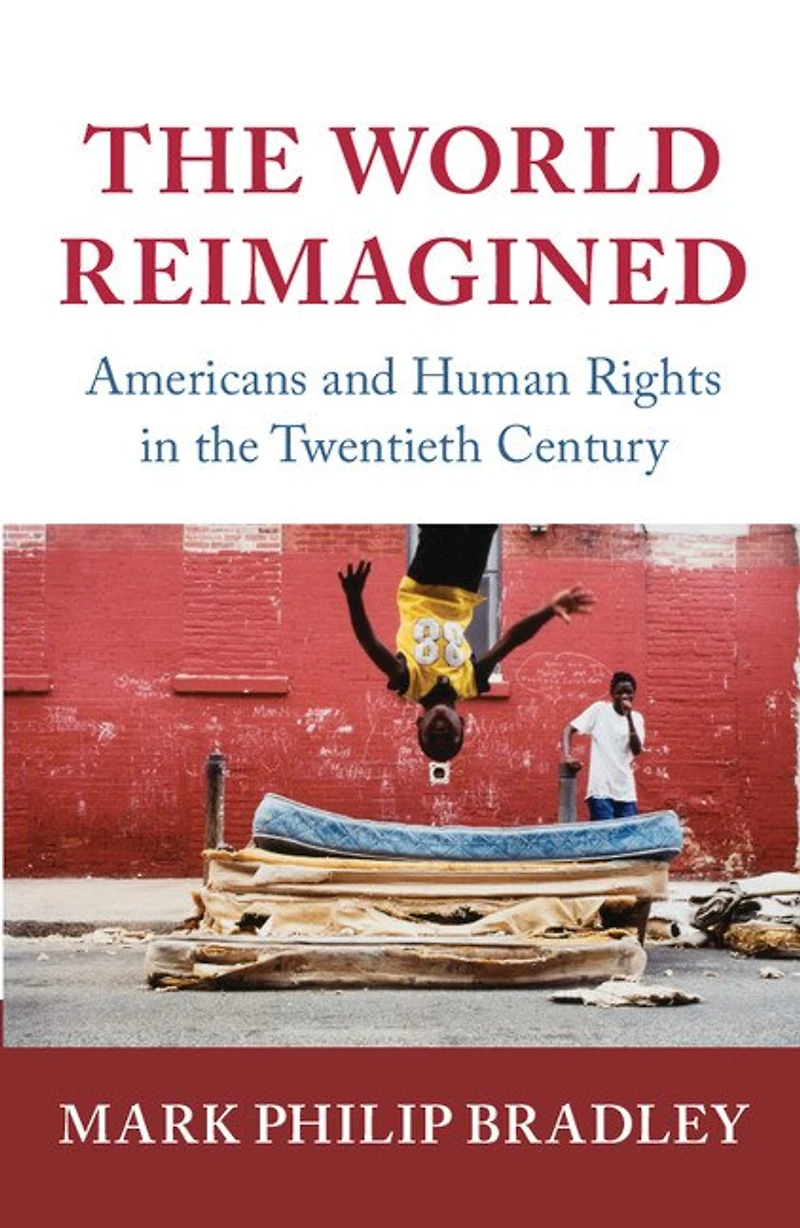
The World Reimagined: Americans And Human Rights Twentieth Century in Brampton, ON
Current price: $56.95
Coles
The World Reimagined: Americans And Human Rights Twentieth Century in Brampton, ON
Current price: $56.95
Loading Inventory...
Size: Hardcover
*Product information and pricing may vary - to confirm current pricing, availability, shipping, and return information please contact Coles. In the event of a pricing discrepancy, the retailer's price will apply.
Concerns about rights in the United States have a long history, but the articulation of global human rights in the twentieth century was something altogether different. Global human rights offered individuals unprecedented guarantees beyond the nation for the protection of political, economic, social and cultural freedoms. The World Reimagined explores how these revolutionary developments first became believable to Americans in the 1940s and the 1970s through everyday vernaculars as they emerged in political and legal thought, photography, film, novels, memoirs and soundscapes. Together, they offered fundamentally novel ways for Americans to understand what it means to feel free, culminating in today's ubiquitous moral language of human rights. Set against a sweeping transnational canvas, the book presents a new history of how Americans thought and acted in the twentieth-century world.
Concerns about rights in the United States have a long history, but the articulation of global human rights in the twentieth century was something altogether different. Global human rights offered individuals unprecedented guarantees beyond the nation for the protection of political, economic, social and cultural freedoms. The World Reimagined explores how these revolutionary developments first became believable to Americans in the 1940s and the 1970s through everyday vernaculars as they emerged in political and legal thought, photography, film, novels, memoirs and soundscapes. Together, they offered fundamentally novel ways for Americans to understand what it means to feel free, culminating in today's ubiquitous moral language of human rights. Set against a sweeping transnational canvas, the book presents a new history of how Americans thought and acted in the twentieth-century world.
You May Also Like








Find at Bramalea City Centre in Brampton, ON
Visit at Bramalea City Centre in Brampton, ON