



Gifting Made Simple
Give the Gift of ChoiceClick below to purchase a Bramalea City Centre eGift Card that can be used at participating retailers at Bramalea City Centre.Purchase HereHome
The World Flames: a Black Boyhood White Supremacist Doomsday Cult
Coles
Loading Inventory...
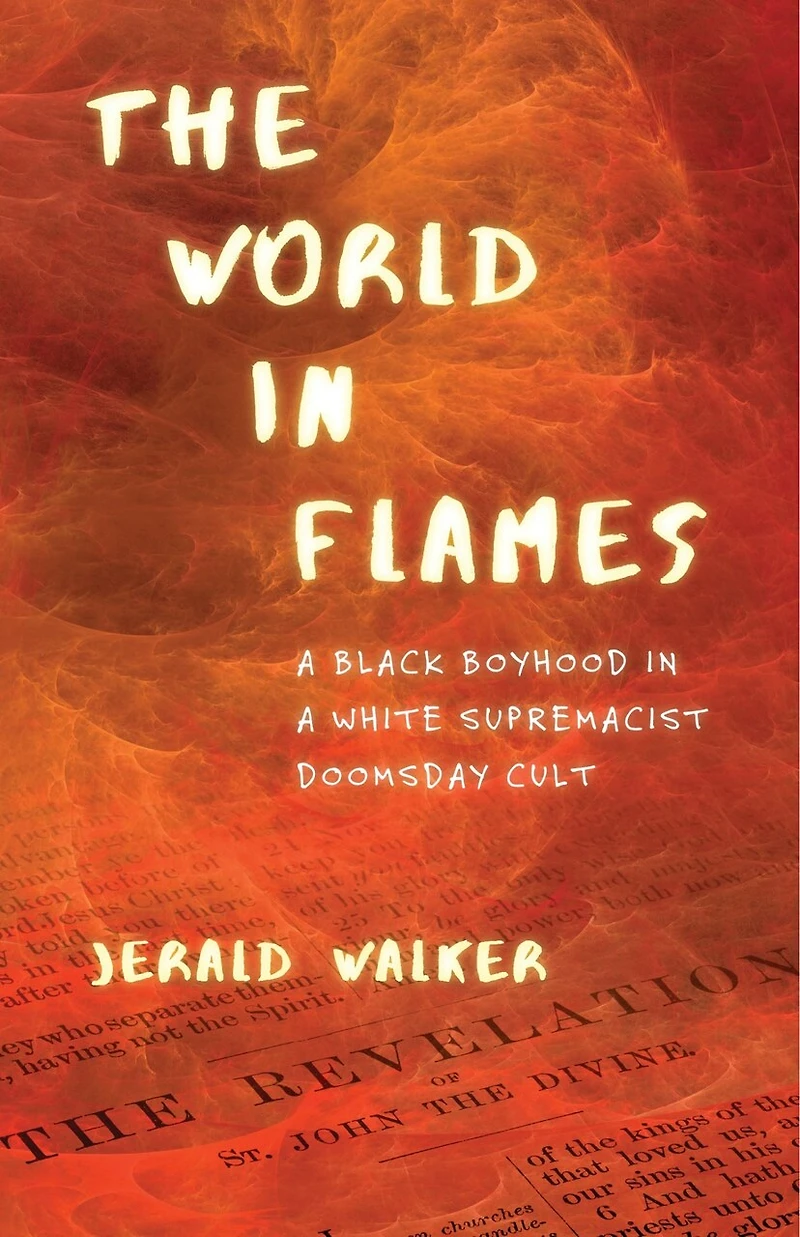
The World Flames: a Black Boyhood White Supremacist Doomsday Cult in Brampton, ON
By None
Current price: $33.00
Coles
The World Flames: a Black Boyhood White Supremacist Doomsday Cult in Brampton, ON
By None
Current price: $33.00
Loading Inventory...
Size: Hardcover
*Product information and pricing may vary - to confirm current pricing, availability, shipping, and return information please contact Coles. In the event of a pricing discrepancy, the retailer's price will apply.
A lively memoir of growing up with blind African American parents in a segregated cult preaching the imminent end of the world—for fans of James McBride’s The Good Lord Bird.
It’s 1970, and Jerry Walker is six years old. His consciousness revolves around being a member of a church whose beliefs he finds not only confusing but terrifying. Composed of a hodgepodge of requirements and restrictions—including a prohibition against doctors and hospitals—the underpinning tenet of Herbert W. Armstrong’s Worldwide Church of God was that its members were divinely chosen and all others would soon perish in rivers of flames.
The substantial membership was ruled by fear, intimidation, and threats. Anyone who dared leave the church would endure hardship for the remainder of this life and eternal suffering in the next. The next life, according to Armstrong, would arrive in 1975, three years after the start of the Great Tribulation. Jerry would be eleven years old.
Jerry’s parents were particularly vulnerable to the promise of relief from the world’s hardships. When they joined the church, in 1960, they were living in a two-room apartment in a dangerous Chicago housing project with the first four of their seven children, and, most significantly, they both were blind, having lost their sight to childhood accidents. They took comfort in the belief that they had been chosen for a special afterlife, even if it meant following a religion with a white supremacist ideology and dutifully sending tithes to Armstrong, whose church boasted more than 100,000 members and more than $80 million in annual revenues at its height.
When the prophecy of the 1972 Great Tribulation does not materialize, Jerry is considerably less disappointed than relieved. When the 1975 end-time prophecy also fails, he finally begins to question his faith and imagine the possibility of choosing a destiny of his own.
A lively memoir of growing up with blind African American parents in a segregated cult preaching the imminent end of the world—for fans of James McBride’s The Good Lord Bird.
It’s 1970, and Jerry Walker is six years old. His consciousness revolves around being a member of a church whose beliefs he finds not only confusing but terrifying. Composed of a hodgepodge of requirements and restrictions—including a prohibition against doctors and hospitals—the underpinning tenet of Herbert W. Armstrong’s Worldwide Church of God was that its members were divinely chosen and all others would soon perish in rivers of flames.
The substantial membership was ruled by fear, intimidation, and threats. Anyone who dared leave the church would endure hardship for the remainder of this life and eternal suffering in the next. The next life, according to Armstrong, would arrive in 1975, three years after the start of the Great Tribulation. Jerry would be eleven years old.
Jerry’s parents were particularly vulnerable to the promise of relief from the world’s hardships. When they joined the church, in 1960, they were living in a two-room apartment in a dangerous Chicago housing project with the first four of their seven children, and, most significantly, they both were blind, having lost their sight to childhood accidents. They took comfort in the belief that they had been chosen for a special afterlife, even if it meant following a religion with a white supremacist ideology and dutifully sending tithes to Armstrong, whose church boasted more than 100,000 members and more than $80 million in annual revenues at its height.
When the prophecy of the 1972 Great Tribulation does not materialize, Jerry is considerably less disappointed than relieved. When the 1975 end-time prophecy also fails, he finally begins to question his faith and imagine the possibility of choosing a destiny of his own.
You May Also Like









More About Coles at Bramalea City Centre
Making Connections. Creating Experiences. We exist to add a little joy to our customers’ lives, each time they interact with us.
Store Info
Find Coles at Bramalea City Centre in Brampton, ON
Visit Coles at Bramalea City Centre in Brampton, ON