



Gifting Made Simple
Give the Gift of ChoiceClick below to purchase a Bramalea City Centre eGift Card that can be used at participating retailers at Bramalea City Centre.Purchase HereHome
the Tree of Good and Evil: Or, Violence by Law Against
Coles
Loading Inventory...
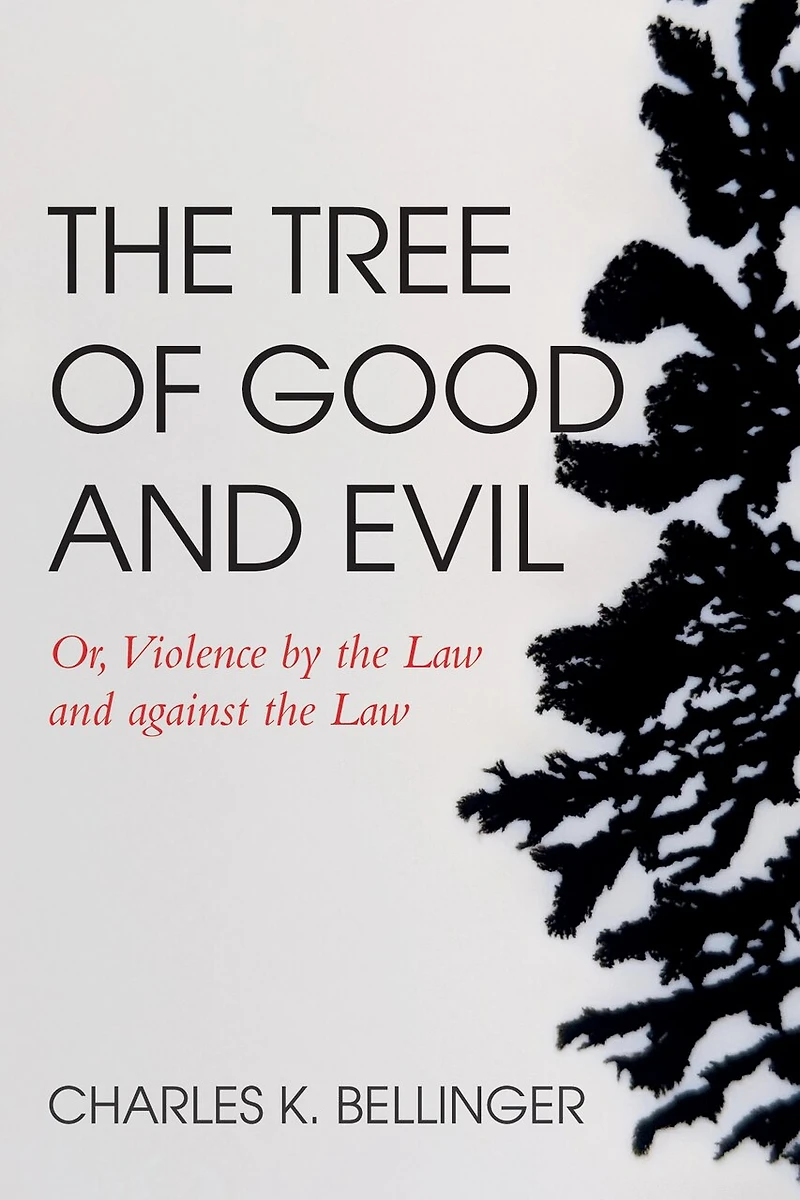
the Tree of Good and Evil: Or, Violence by Law Against in Brampton, ON
Current price: $50.00
Coles
the Tree of Good and Evil: Or, Violence by Law Against in Brampton, ON
Current price: $50.00
Loading Inventory...
Size: Hardcover
*Product information and pricing may vary - to confirm current pricing, availability, shipping, and return information please contact Coles. In the event of a pricing discrepancy, the retailer's price will apply.
There is a common way of thinking that distinguishes between the regular law-abiding citizens and the "criminals." The many high-profile killings committed by police officers in recent years, with the George Floyd case being the most famous, have served to render this simplistic way of thinking highly problematic. It is more realistic, in terms of cultural understanding, to see violence as a dialectic; it can come from the direction of "law and order" or from the direction of the violation of law. Employing the thought of Rene Girard, Soren Kierkegaard, and others, this book provides a framework for understanding this dialectic. Drawing on examples from slavery, lynching, the killing of unarmed Black persons by police, and the death penalty, the theme of violence coming from the direction of "law and order" is vividly illustrated, with Girard's thought being employed to formulate a deeply rooted theoretical understanding. There is also extensive attention paid to many examples of mass shootings and terrorist attacks--violence that is intentionally immoral and illegal. A psychological taxonomy is employed that comprehends such violence under the headings of the psychopathic, the psychotic, the traumatized, and the ideological actor.
There is a common way of thinking that distinguishes between the regular law-abiding citizens and the "criminals." The many high-profile killings committed by police officers in recent years, with the George Floyd case being the most famous, have served to render this simplistic way of thinking highly problematic. It is more realistic, in terms of cultural understanding, to see violence as a dialectic; it can come from the direction of "law and order" or from the direction of the violation of law. Employing the thought of Rene Girard, Soren Kierkegaard, and others, this book provides a framework for understanding this dialectic. Drawing on examples from slavery, lynching, the killing of unarmed Black persons by police, and the death penalty, the theme of violence coming from the direction of "law and order" is vividly illustrated, with Girard's thought being employed to formulate a deeply rooted theoretical understanding. There is also extensive attention paid to many examples of mass shootings and terrorist attacks--violence that is intentionally immoral and illegal. A psychological taxonomy is employed that comprehends such violence under the headings of the psychopathic, the psychotic, the traumatized, and the ideological actor.











Find at Bramalea City Centre in Brampton, ON
Visit at Bramalea City Centre in Brampton, ON