



Gifting Made Simple
Give the Gift of ChoiceClick below to purchase a Bramalea City Centre eGift Card that can be used at participating retailers at Bramalea City Centre.Purchase HereHome
the 'Stolpersteine' and Commemoration of Life, Death Government: A Philosophical Archaeology
Coles
Loading Inventory...
the 'Stolpersteine' and Commemoration of Life, Death Government: A Philosophical Archaeology in Brampton, ON
Current price: $88.79
Original price: $110.88
Coles
the 'Stolpersteine' and Commemoration of Life, Death Government: A Philosophical Archaeology in Brampton, ON
Current price: $88.79
Original price: $110.88
Loading Inventory...
Size: Kobo eBook
*Product information and pricing may vary - to confirm current pricing, availability, shipping, and return information please contact Coles. In the event of a pricing discrepancy, the retailer's price will apply.
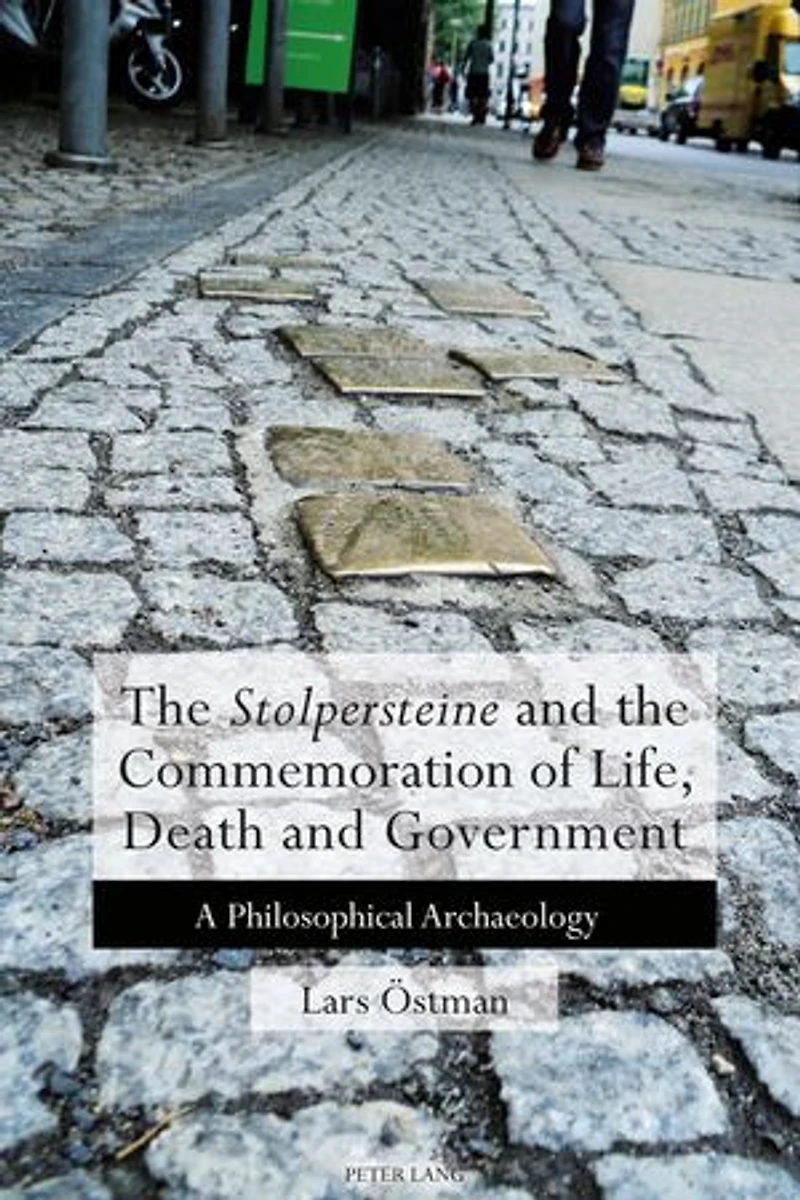
Since the beginning of the 1990s, the German artist Gunter Demnig has been installing his Stolpersteine [Stumbling Stones] all over Europe – including Russia – to commemorate the victims of National Socialism. Today, the Stolpersteine constitute the world’s second largest Holocaust monument. In this book the author addresses some of the most crucial issues raised by these memorial stones.
Taking as his point of departure the philosophy of Giorgio Agamben, Michel Foucault and Martin Heidegger, the author discusses the juridico-political structure of the Third Reich in which the victims lived and perished and identifies a new paradigm for the commemoration of Third Reich victims. The subject of commemoration is in fact not the dignified subject of law, but the naked life of the Muselmann: he who can neither live nor die. This book analyses the challenge of the problem of history that the Stolpersteine testify to, and it discusses whether a unique monument such as the Stolpersteine can somehow restore what was once taken from the victims.
Since the beginning of the 1990s, the German artist Gunter Demnig has been installing his Stolpersteine [Stumbling Stones] all over Europe – including Russia – to commemorate the victims of National Socialism. Today, the Stolpersteine constitute the world’s second largest Holocaust monument. In this book the author addresses some of the most crucial issues raised by these memorial stones.
Taking as his point of departure the philosophy of Giorgio Agamben, Michel Foucault and Martin Heidegger, the author discusses the juridico-political structure of the Third Reich in which the victims lived and perished and identifies a new paradigm for the commemoration of Third Reich victims. The subject of commemoration is in fact not the dignified subject of law, but the naked life of the Muselmann: he who can neither live nor die. This book analyses the challenge of the problem of history that the Stolpersteine testify to, and it discusses whether a unique monument such as the Stolpersteine can somehow restore what was once taken from the victims.
You May Also Like










Find at Bramalea City Centre in Brampton, ON
Visit at Bramalea City Centre in Brampton, ON