



Gifting Made Simple
Give the Gift of ChoiceClick below to purchase a Bramalea City Centre eGift Card that can be used at participating retailers at Bramalea City Centre.Purchase HereHome
The State, War and Peace: Spanish Political Thought in the Renaissance 1516–1559
Coles
Loading Inventory...
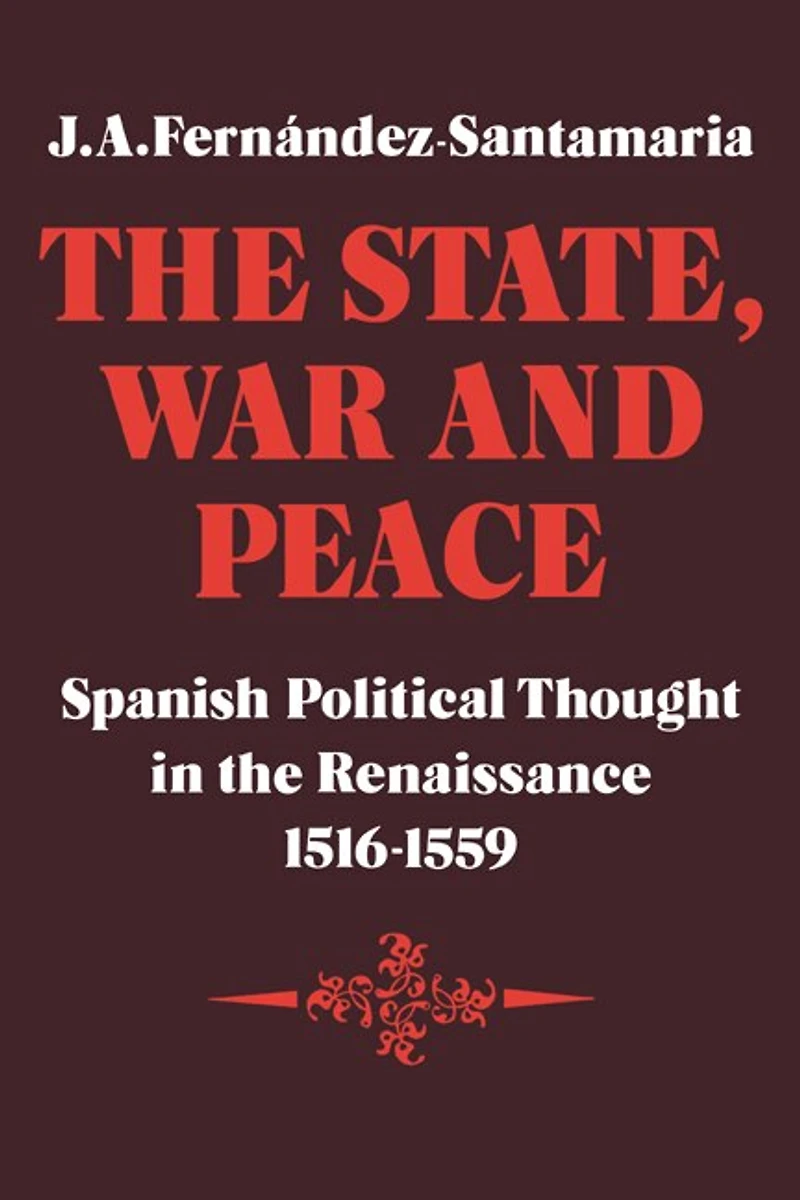
The State, War and Peace: Spanish Political Thought in the Renaissance 1516–1559 in Brampton, ON
Current price: $54.90
Coles
The State, War and Peace: Spanish Political Thought in the Renaissance 1516–1559 in Brampton, ON
Current price: $54.90
Loading Inventory...
Size: Paperback
*Product information and pricing may vary - to confirm current pricing, availability, shipping, and return information please contact Coles. In the event of a pricing discrepancy, the retailer's price will apply.
This is a comprehensive study in English of political thought in Spain during the Renaissance. In the early sixteenth century Castile experienced two major constitutional crises caused by the accession of a Habsburg ruler (shortly to become Holy Roman Emperor) to her throne, and by the discovery and conquest of America. Politically, these circumstances created a bizarre situation in which the venerable idea of medieval empire was forced to co-exist with a novel, imperial vision made inevitable by expansion in the new world. The strain imposed on Castile's constitutional fabric stimulated the most significant developments of Spanish political thought in the Renaissance. Against this background, Professor Fernández-Santamaria surverys the contribution of a number of eminent writers from diverse intellectual traditions who endeavoured to apply established political assumptions to these unprecedented circumstances.
This is a comprehensive study in English of political thought in Spain during the Renaissance. In the early sixteenth century Castile experienced two major constitutional crises caused by the accession of a Habsburg ruler (shortly to become Holy Roman Emperor) to her throne, and by the discovery and conquest of America. Politically, these circumstances created a bizarre situation in which the venerable idea of medieval empire was forced to co-exist with a novel, imperial vision made inevitable by expansion in the new world. The strain imposed on Castile's constitutional fabric stimulated the most significant developments of Spanish political thought in the Renaissance. Against this background, Professor Fernández-Santamaria surverys the contribution of a number of eminent writers from diverse intellectual traditions who endeavoured to apply established political assumptions to these unprecedented circumstances.
You May Also Like









Find at Bramalea City Centre in Brampton, ON
Visit at Bramalea City Centre in Brampton, ON