



Gifting Made Simple
Give the Gift of ChoiceClick below to purchase a Bramalea City Centre eGift Card that can be used at participating retailers at Bramalea City Centre.Purchase HereHome
The Shifting Ground of Globalization: Labor and Mineral Extraction at Vale S.A.
Coles
Loading Inventory...
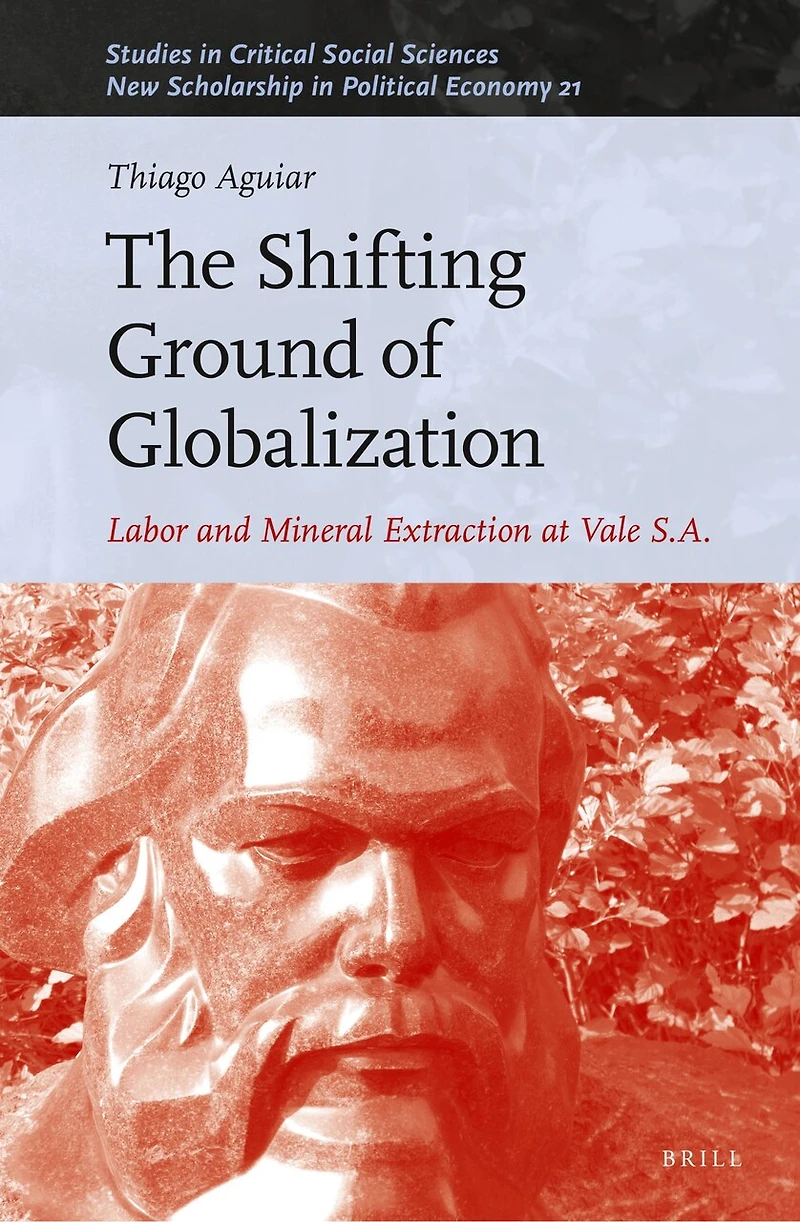
The Shifting Ground of Globalization: Labor and Mineral Extraction at Vale S.A. in Brampton, ON
Current price: $262.99
Coles
The Shifting Ground of Globalization: Labor and Mineral Extraction at Vale S.A. in Brampton, ON
Current price: $262.99
Loading Inventory...
Size: Hardcover
*Product information and pricing may vary - to confirm current pricing, availability, shipping, and return information please contact Coles. In the event of a pricing discrepancy, the retailer's price will apply.
The Shifting Ground of Globalization: Labor and Mineral Extraction at Vale S.A. describes the transformation of the formerly state-owned Brazilian mining company into a Transnational Corporation, global leader in iron ore and nickel extraction. Through ethnographic research in Brazil and Canada, in places as different as Carajás, in the heart of the Amazon rainforest, and Sudbury, in northern Ontario, Thiago Aguiar dialogues with the theories of global capitalism and takes the case of the largest Latin American company as a telling example of the integration of the Brazilian economy into capitalist globalization and its consequences for workers, communities, and the environment in the first decades of the twenty-first century – when many celebrated the BRICS as an alternative to neoliberal globalization.
The Shifting Ground of Globalization: Labor and Mineral Extraction at Vale S.A. describes the transformation of the formerly state-owned Brazilian mining company into a Transnational Corporation, global leader in iron ore and nickel extraction. Through ethnographic research in Brazil and Canada, in places as different as Carajás, in the heart of the Amazon rainforest, and Sudbury, in northern Ontario, Thiago Aguiar dialogues with the theories of global capitalism and takes the case of the largest Latin American company as a telling example of the integration of the Brazilian economy into capitalist globalization and its consequences for workers, communities, and the environment in the first decades of the twenty-first century – when many celebrated the BRICS as an alternative to neoliberal globalization.
You May Also Like










Find at Bramalea City Centre in Brampton, ON
Visit at Bramalea City Centre in Brampton, ON