



Gifting Made Simple
Give the Gift of ChoiceClick below to purchase a Bramalea City Centre eGift Card that can be used at participating retailers at Bramalea City Centre.Purchase HereHome
The Rise and Demise of the Myth of the Rus’ Land
Coles
Loading Inventory...
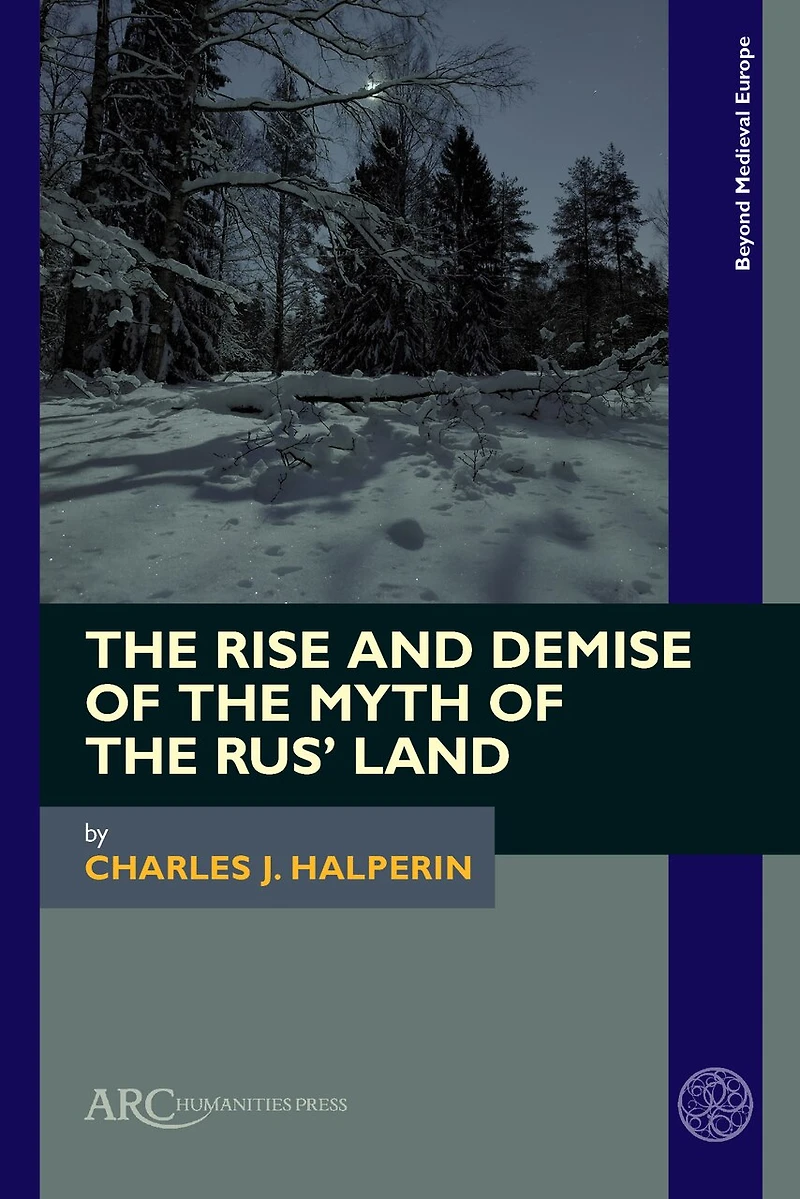
The Rise and Demise of the Myth of the Rus’ Land in Brampton, ON
Current price: $48.95
Coles
The Rise and Demise of the Myth of the Rus’ Land in Brampton, ON
Current price: $48.95
Loading Inventory...
Size: Paperback
*Product information and pricing may vary - to confirm current pricing, availability, shipping, and return information please contact Coles. In the event of a pricing discrepancy, the retailer's price will apply.
The concept of the Rus’ Land ( russkaia zemlia ) became and remained an historical myth of modern Russian nationalism as the equivalent of “Russia,” but it was actually a political myth, manipulated to provide legitimacy. Its meaning was dynastic—territories ruled by a member of the Riurikid/Volodimerovich princely clan. This book traces the history of its use from the tenth to the seventeenth century, outlining its changing religious (pagan to Christian) and geographic elements (from the Dnieper River valley in Ukraine in Kievan Rus’ to Muscovy in Russia) and considers alternative “land” concepts which failed to rise to the ideological heights of the Rus’ Land. Although the Rus’ Land was never an ethnic or national concept, and never expanded its appeal beyond an elite lay and clerical audience, understanding its evolution sheds light upon the cultural and intellectual history of the medieval and early modern East Slavs.
The concept of the Rus’ Land ( russkaia zemlia ) became and remained an historical myth of modern Russian nationalism as the equivalent of “Russia,” but it was actually a political myth, manipulated to provide legitimacy. Its meaning was dynastic—territories ruled by a member of the Riurikid/Volodimerovich princely clan. This book traces the history of its use from the tenth to the seventeenth century, outlining its changing religious (pagan to Christian) and geographic elements (from the Dnieper River valley in Ukraine in Kievan Rus’ to Muscovy in Russia) and considers alternative “land” concepts which failed to rise to the ideological heights of the Rus’ Land. Although the Rus’ Land was never an ethnic or national concept, and never expanded its appeal beyond an elite lay and clerical audience, understanding its evolution sheds light upon the cultural and intellectual history of the medieval and early modern East Slavs.
You May Also Like








Find at Bramalea City Centre in Brampton, ON
Visit at Bramalea City Centre in Brampton, ON