



Gifting Made Simple
Give the Gift of ChoiceClick below to purchase a Bramalea City Centre eGift Card that can be used at participating retailers at Bramalea City Centre.Purchase HereHome
The Rape of the Lock: An Heroi-Comical Poem
Coles
Loading Inventory...
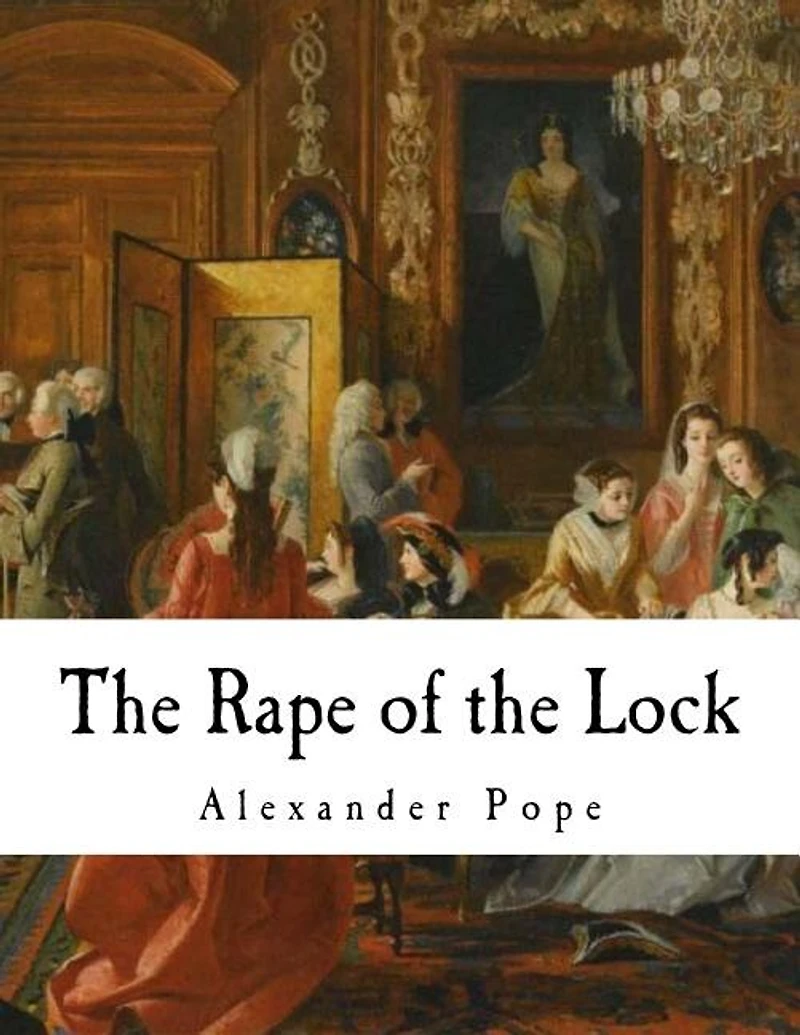
The Rape of the Lock: An Heroi-Comical Poem in Brampton, ON
Current price: $10.50
Coles
The Rape of the Lock: An Heroi-Comical Poem in Brampton, ON
Current price: $10.50
Loading Inventory...
Size: Paperback
*Product information and pricing may vary - to confirm current pricing, availability, shipping, and return information please contact Coles. In the event of a pricing discrepancy, the retailer's price will apply.
The Rape of the Lock: An Heroi-Comical Poem by Alexander Pope and Illustrated by Aubrey Beardsley. The Rape of the Lock is a mock-heroic narrative poem written by Alexander Pope. One of the most commonly cited examples of high burlesque, it was first published anonymously in Lintot's Miscellaneous Poems and Translations (May 1712) in two cantos (334 lines); a revised edition "Written by Mr. Pope" followed in March 1714 as a five-canto version (794 lines) accompanied by six engravings. Pope boasted that this sold more than three thousand copies in its first four days. The final form of the poem appeared in 1717 with the addition of Clarissa's speech on good humour. The poem was much translated and contributed to the growing popularity of mock-heroic in Europe.
The Rape of the Lock: An Heroi-Comical Poem by Alexander Pope and Illustrated by Aubrey Beardsley. The Rape of the Lock is a mock-heroic narrative poem written by Alexander Pope. One of the most commonly cited examples of high burlesque, it was first published anonymously in Lintot's Miscellaneous Poems and Translations (May 1712) in two cantos (334 lines); a revised edition "Written by Mr. Pope" followed in March 1714 as a five-canto version (794 lines) accompanied by six engravings. Pope boasted that this sold more than three thousand copies in its first four days. The final form of the poem appeared in 1717 with the addition of Clarissa's speech on good humour. The poem was much translated and contributed to the growing popularity of mock-heroic in Europe.
You May Also Like










Find at Bramalea City Centre in Brampton, ON
Visit at Bramalea City Centre in Brampton, ON