



Gifting Made Simple
Give the Gift of ChoiceClick below to purchase a Bramalea City Centre eGift Card that can be used at participating retailers at Bramalea City Centre.Purchase HereHome
The Quality of Life: Aristotle Revised
Coles
Loading Inventory...
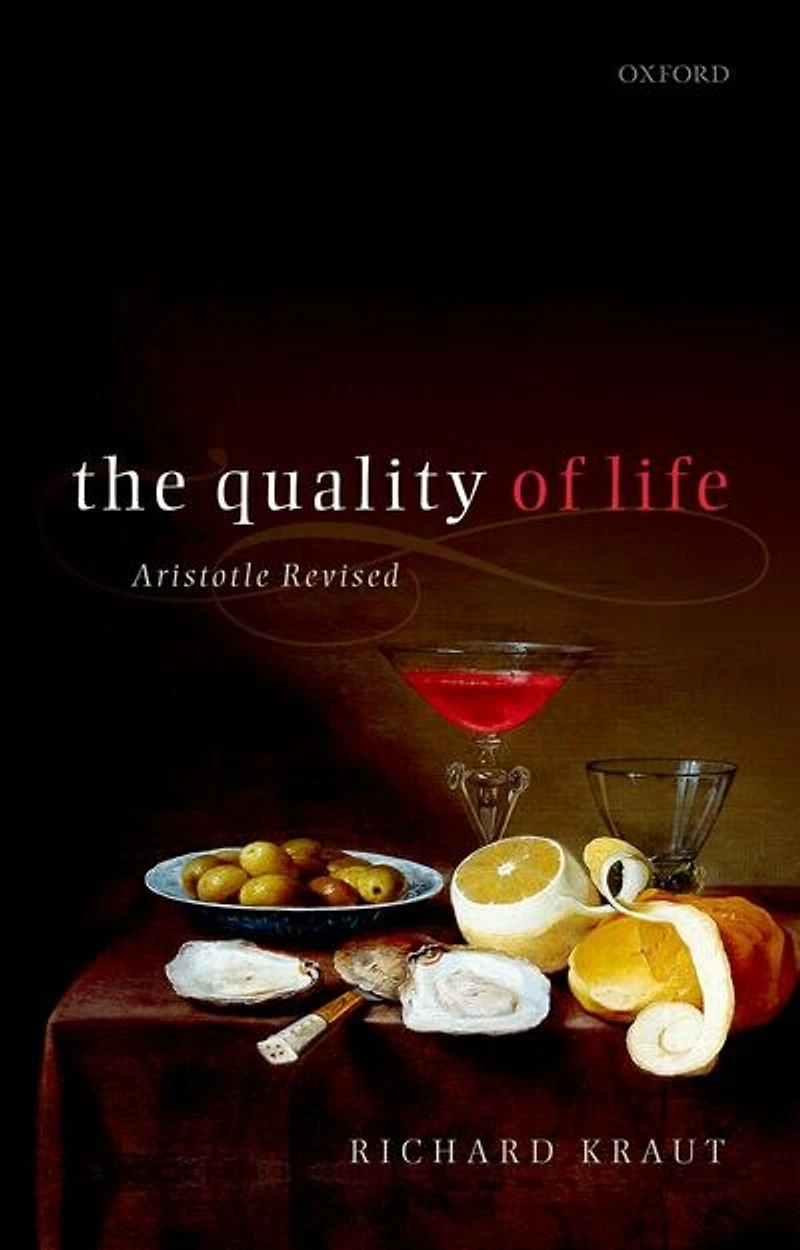
The Quality of Life: Aristotle Revised in Brampton, ON
Current price: $49.50
Coles
The Quality of Life: Aristotle Revised in Brampton, ON
Current price: $49.50
Loading Inventory...
Size: Hardcover
*Product information and pricing may vary - to confirm current pricing, availability, shipping, and return information please contact Coles. In the event of a pricing discrepancy, the retailer's price will apply.
The Quality of Life: Aristotle Revised presents a philosophical theory about the constituents of human well-being. The principal idea is that what Aristotle calls "external goods" - wealth, reputation, power - have at most an indirect bearing on the quality of our lives. Starting with Aristotle's thoughts about this topic, Kraut increasingly modifies (and occasionally rejects) that stance. He argues that the way in which we experience the world is what well-being consists in. A and fraught debates, which have found expression in recent decades in the concepts of fractured "territorial states" and a disjointed "imperial constitution". Associative Political Culture in the Holy Roman Empire challenges these interpretations through a wide-ranging case study of Upper Germany - the southern regions of modern-day Germany plus Alsace, Switzerland, and western Austria-between 1346 and 1521. By examining the interactions of princes, prelates, nobles, and townsco mparatively, Associative Political Culture in the Holy Roman Empire demonstrates that a range of actors and authorities shared the same toolkit of technologies, rituals, judicial systems, and concepts and configurations of government. Crucially, Upper German elites all participated in leagues, alliances, and other treaty-based associations. As frameworks for collective activity, associations were a vital means of enab
The Quality of Life: Aristotle Revised presents a philosophical theory about the constituents of human well-being. The principal idea is that what Aristotle calls "external goods" - wealth, reputation, power - have at most an indirect bearing on the quality of our lives. Starting with Aristotle's thoughts about this topic, Kraut increasingly modifies (and occasionally rejects) that stance. He argues that the way in which we experience the world is what well-being consists in. A and fraught debates, which have found expression in recent decades in the concepts of fractured "territorial states" and a disjointed "imperial constitution". Associative Political Culture in the Holy Roman Empire challenges these interpretations through a wide-ranging case study of Upper Germany - the southern regions of modern-day Germany plus Alsace, Switzerland, and western Austria-between 1346 and 1521. By examining the interactions of princes, prelates, nobles, and townsco mparatively, Associative Political Culture in the Holy Roman Empire demonstrates that a range of actors and authorities shared the same toolkit of technologies, rituals, judicial systems, and concepts and configurations of government. Crucially, Upper German elites all participated in leagues, alliances, and other treaty-based associations. As frameworks for collective activity, associations were a vital means of enab
You May Also Like








Find at Bramalea City Centre in Brampton, ON
Visit at Bramalea City Centre in Brampton, ON