



Gifting Made Simple
Give the Gift of ChoiceClick below to purchase a Bramalea City Centre eGift Card that can be used at participating retailers at Bramalea City Centre.Purchase HereHome
the Open Window into Soviet Bloc: US Policy toward Poland, 1956-1968
Coles
Loading Inventory...
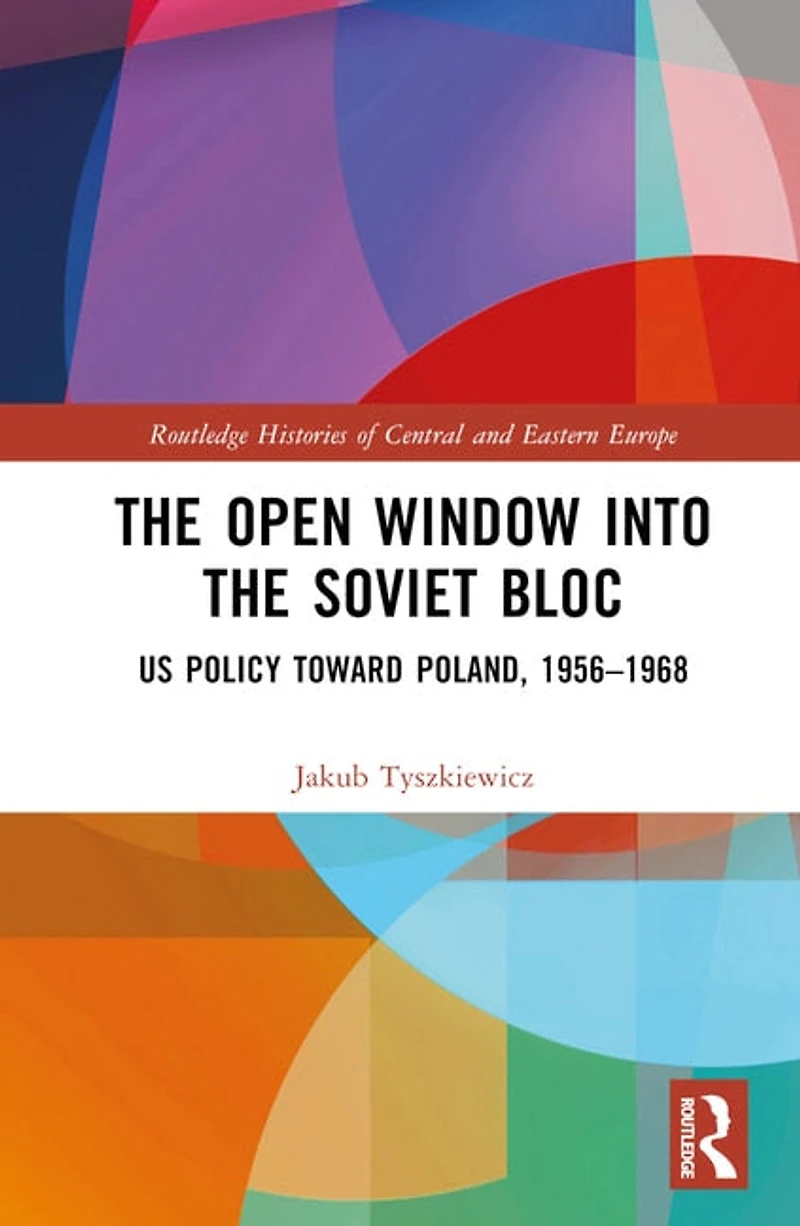
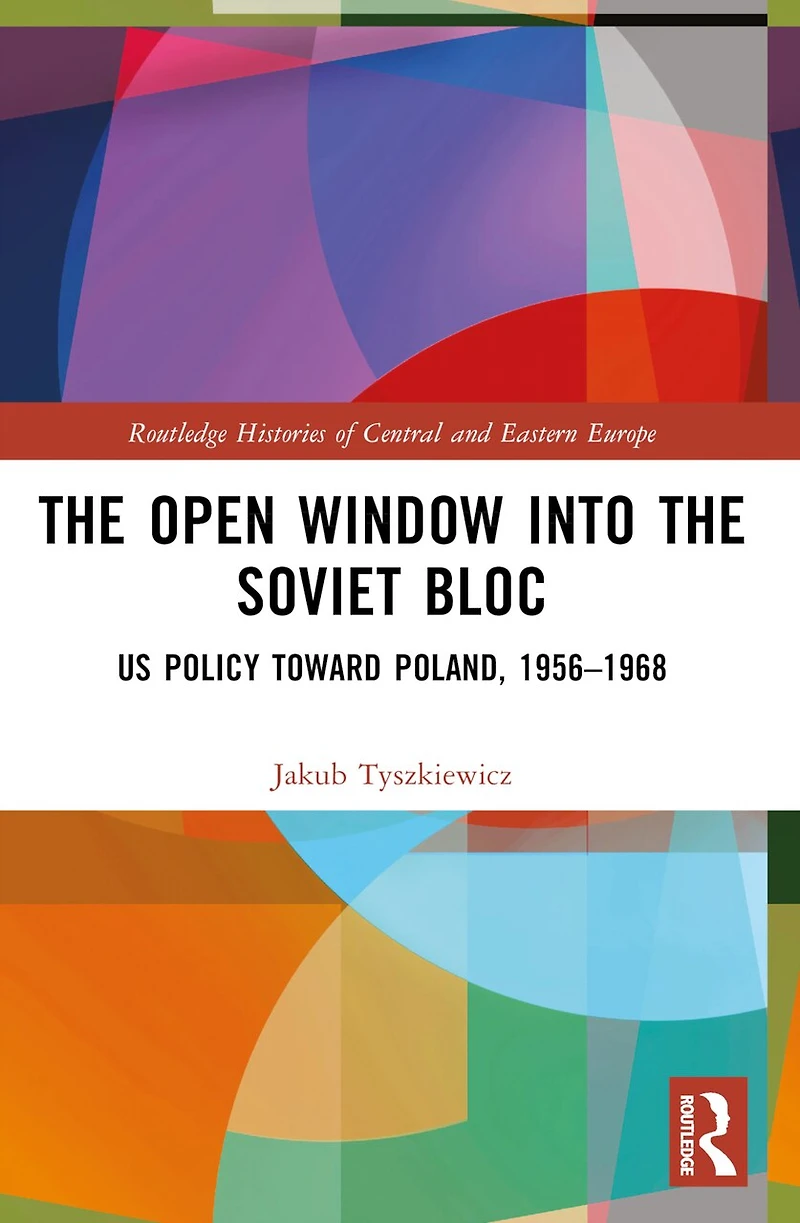
the Open Window into Soviet Bloc: US Policy toward Poland, 1956-1968 in Brampton, ON
Current price: $296.50
Coles
the Open Window into Soviet Bloc: US Policy toward Poland, 1956-1968 in Brampton, ON
Current price: $296.50
Loading Inventory...
Size: Hardcover
*Product information and pricing may vary - to confirm current pricing, availability, shipping, and return information please contact Coles. In the event of a pricing discrepancy, the retailer's price will apply.
This volume analyzes US policy toward communist-ruled Poland in the fields of diplomacy, economy, culture, and public diplomacy. It highlights the limitations in developing cooperation between democratic and nondemocratic countries resulting from the Cold War conflict. No comprehensive account of US policy toward Poland from 1956 to 1968 has emerged in historiography. This book aims to answer why, since the political changes of the Polish October 1956, Washington ceased to see Polish affairs as "Soviet-related matters." Instead, it recognized communist-ruled Poland as a separate political entity among other Kremlin-dependent states in Eastern Europe. This policy, introduced by the Dwight D. Eisenhower administration, was continued by his successors John F. Kennedy and Lyndon B. Johnson. Recently declassified US and Polish archival sources allow the presentation of more considerations around the decision-making mechanisms by presidential administrations regarding communist Poland after 1956. They also reveal the dependence of the implementation of US actions on the climate of international relations. Moreover, they can now explain how Poland became an "open window" toward the Soviet bloc and a model example of the changes in the US policy of diversifying its approach to Eastern European countries under Soviet control in the next decades.
This volume analyzes US policy toward communist-ruled Poland in the fields of diplomacy, economy, culture, and public diplomacy. It highlights the limitations in developing cooperation between democratic and nondemocratic countries resulting from the Cold War conflict. No comprehensive account of US policy toward Poland from 1956 to 1968 has emerged in historiography. This book aims to answer why, since the political changes of the Polish October 1956, Washington ceased to see Polish affairs as "Soviet-related matters." Instead, it recognized communist-ruled Poland as a separate political entity among other Kremlin-dependent states in Eastern Europe. This policy, introduced by the Dwight D. Eisenhower administration, was continued by his successors John F. Kennedy and Lyndon B. Johnson. Recently declassified US and Polish archival sources allow the presentation of more considerations around the decision-making mechanisms by presidential administrations regarding communist Poland after 1956. They also reveal the dependence of the implementation of US actions on the climate of international relations. Moreover, they can now explain how Poland became an "open window" toward the Soviet bloc and a model example of the changes in the US policy of diversifying its approach to Eastern European countries under Soviet control in the next decades.
You May Also Like

















Find at Bramalea City Centre in Brampton, ON
Visit at Bramalea City Centre in Brampton, ON