



Gifting Made Simple
Give the Gift of ChoiceClick below to purchase a Bramalea City Centre eGift Card that can be used at participating retailers at Bramalea City Centre.Purchase HereHome
the New Extractivism: A Post-Neoliberal Development Model or Imperialism of Twenty-First Century?
Coles
Loading Inventory...
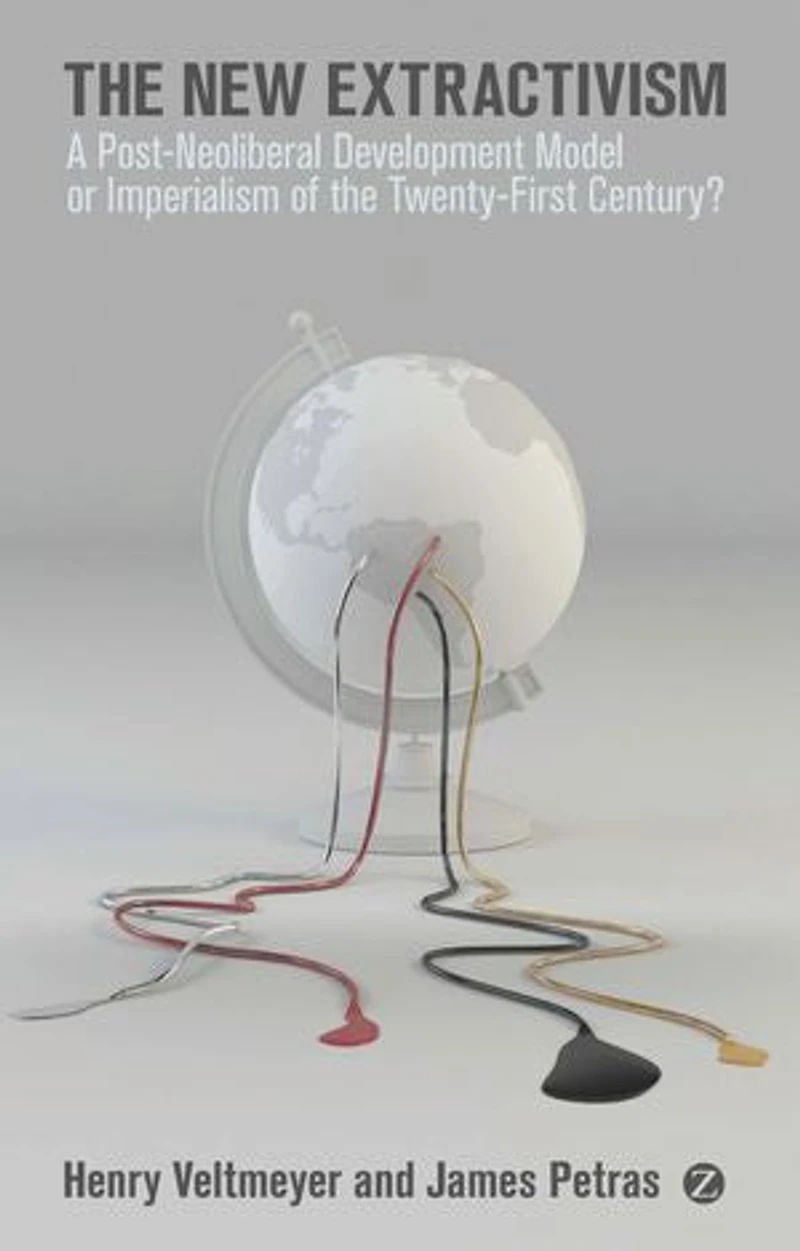
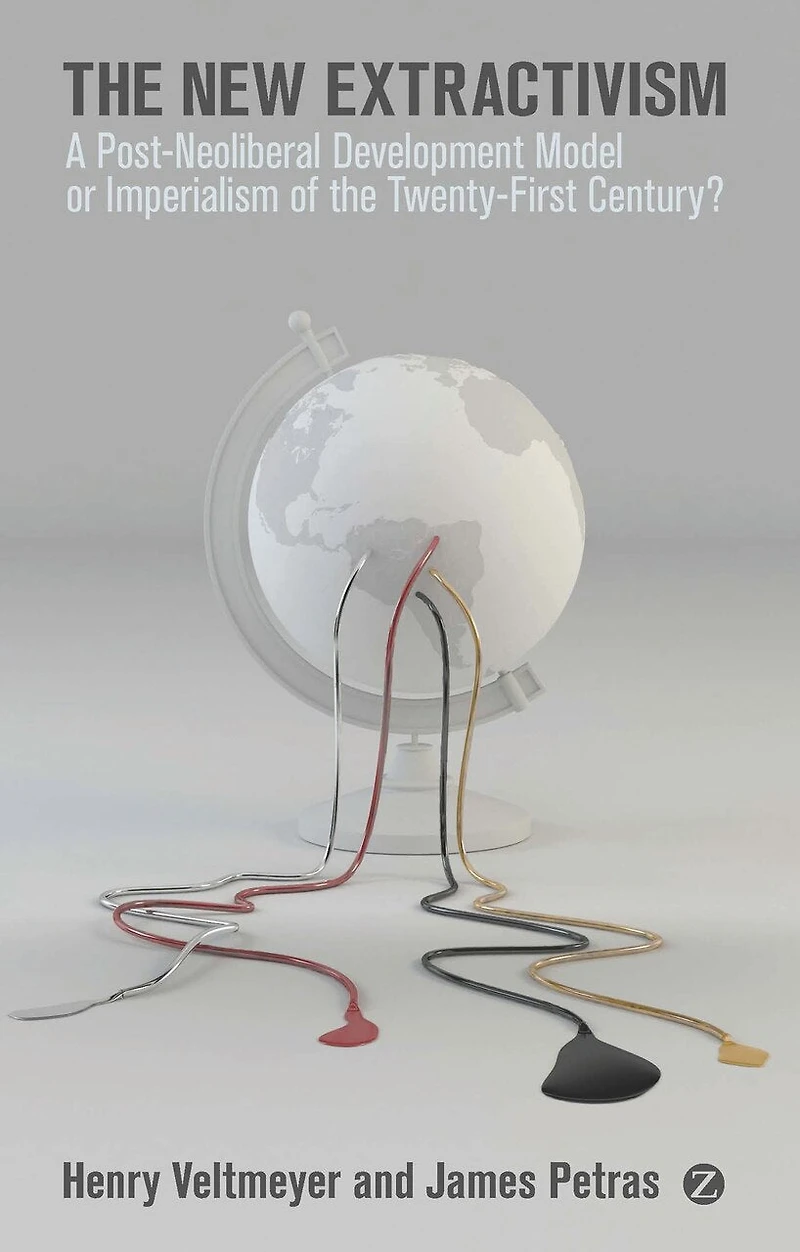
the New Extractivism: A Post-Neoliberal Development Model or Imperialism of Twenty-First Century? in Brampton, ON
Current price: $37.09
Original price: $46.35
Coles
the New Extractivism: A Post-Neoliberal Development Model or Imperialism of Twenty-First Century? in Brampton, ON
Current price: $37.09
Original price: $46.35
Loading Inventory...
Size: Kobo eBook
*Product information and pricing may vary - to confirm current pricing, availability, shipping, and return information please contact Coles. In the event of a pricing discrepancy, the retailer's price will apply.
In a primary commodities boom spurred on by the rise of China, countries the world over are turning to the extraction of natural resources and the export of primary commodities as an antidote to the global recession. The New Extractivism addresses a fundamental dilemma faced by these governments: to pursue, or not, a development strategy based on resource extraction in the face of immense social and environmental costs, not to mention mass resistance from the people negatively affected by it. With fresh insight and analysis from Argentina, Bolivia, Colombia, Ecuador, Mexico and Peru, this book looks at the political dynamics of capitalist development in a region where the neoliberal model is collapsing under the weight of a resistance movement lead by peasant farmers and indigenous communities. It calls for us to understand the new extractivism not as a viable development model for the post-neoliberal world, but as the dangerous emergence of a new form of imperialism.
In a primary commodities boom spurred on by the rise of China, countries the world over are turning to the extraction of natural resources and the export of primary commodities as an antidote to the global recession. The New Extractivism addresses a fundamental dilemma faced by these governments: to pursue, or not, a development strategy based on resource extraction in the face of immense social and environmental costs, not to mention mass resistance from the people negatively affected by it. With fresh insight and analysis from Argentina, Bolivia, Colombia, Ecuador, Mexico and Peru, this book looks at the political dynamics of capitalist development in a region where the neoliberal model is collapsing under the weight of a resistance movement lead by peasant farmers and indigenous communities. It calls for us to understand the new extractivism not as a viable development model for the post-neoliberal world, but as the dangerous emergence of a new form of imperialism.
You May Also Like














Find at Bramalea City Centre in Brampton, ON
Visit at Bramalea City Centre in Brampton, ON