



Gifting Made Simple
Give the Gift of ChoiceClick below to purchase a Bramalea City Centre eGift Card that can be used at participating retailers at Bramalea City Centre.Purchase HereHome
the Meaning of Growth: Anti-Environmentalist Rhetoric and Defence Modernity
Coles
Loading Inventory...
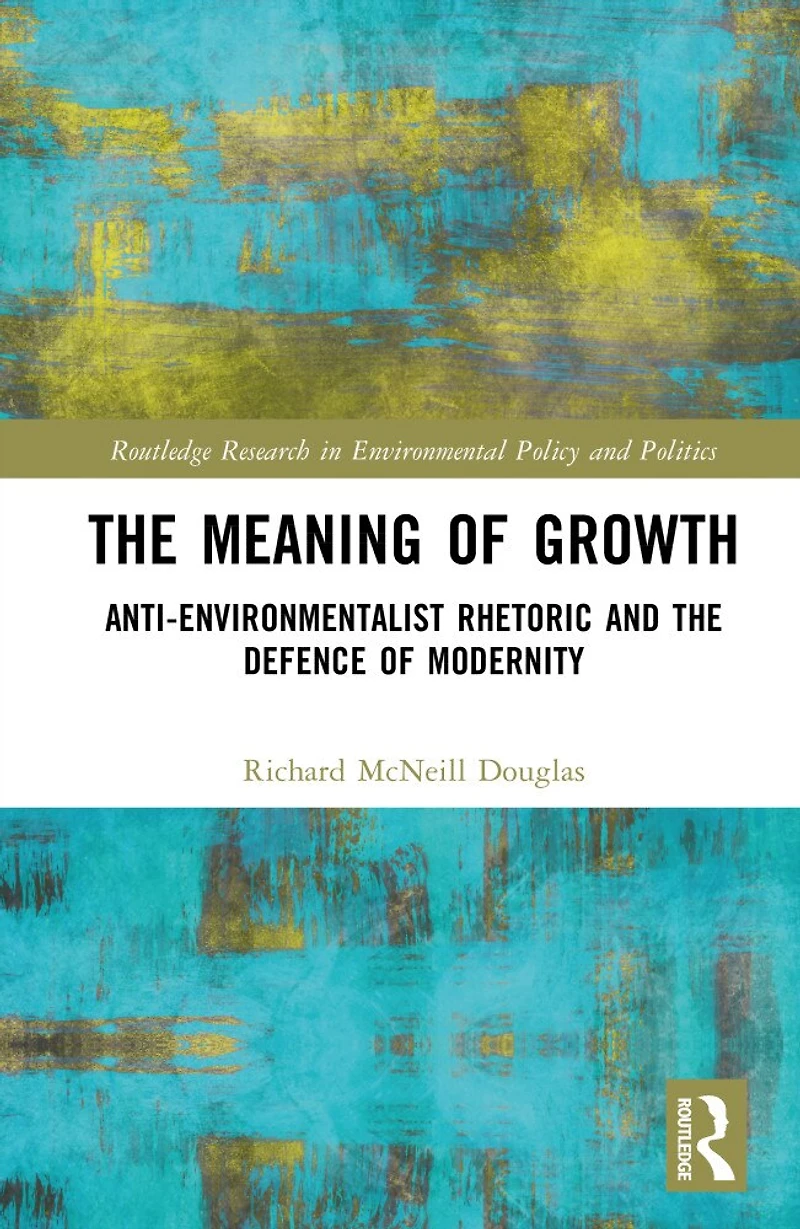
the Meaning of Growth: Anti-Environmentalist Rhetoric and Defence Modernity in Brampton, ON
Current price: $296.50
Coles
the Meaning of Growth: Anti-Environmentalist Rhetoric and Defence Modernity in Brampton, ON
Current price: $296.50
Loading Inventory...
Size: Hardcover
*Product information and pricing may vary - to confirm current pricing, availability, shipping, and return information please contact Coles. In the event of a pricing discrepancy, the retailer's price will apply.
Since the Limits to Growth report was published in 1972 it has been widely known that a commitment to endless growth was putting us on course for environmental disaster-so why have we failed to take decisive political action in the half-century since then? In The Meaning of Growth , Richard McNeill Douglas uses interpretive social science to uncover the cultural roots of political resistance to environmental science and policy. Through a close reading of anti-environmentalist rhetoric the book identifies its idolisation of growth as a defence of a modern (Western-European) world-view, focusing on values of freedom, power, and immortality. The significance of these findings is drawn out by applying the 'secularisation thesis', a theoretical account of the development of a modern understanding of reality from a theological world-view to which it is ostensibly opposed. This framework is used to offer a deep interpretation of what is at stake in environmental debate: that to accept there are limits to growth means abandoning crucial elements of a faith in a theodicy of progress that makes life meaningful in a secular age. Douglas concludes by suggesting that the precondition for political action on the environment is a change of philosophical perspective that provides for a sense of meaning in a world of limits. This book should be of interest to academics in the fields of environmental sociology and communications studies, as well as activists interested in understanding the motivations of anti-environmentalist campaigners and how to counter their influence.
Since the Limits to Growth report was published in 1972 it has been widely known that a commitment to endless growth was putting us on course for environmental disaster-so why have we failed to take decisive political action in the half-century since then? In The Meaning of Growth , Richard McNeill Douglas uses interpretive social science to uncover the cultural roots of political resistance to environmental science and policy. Through a close reading of anti-environmentalist rhetoric the book identifies its idolisation of growth as a defence of a modern (Western-European) world-view, focusing on values of freedom, power, and immortality. The significance of these findings is drawn out by applying the 'secularisation thesis', a theoretical account of the development of a modern understanding of reality from a theological world-view to which it is ostensibly opposed. This framework is used to offer a deep interpretation of what is at stake in environmental debate: that to accept there are limits to growth means abandoning crucial elements of a faith in a theodicy of progress that makes life meaningful in a secular age. Douglas concludes by suggesting that the precondition for political action on the environment is a change of philosophical perspective that provides for a sense of meaning in a world of limits. This book should be of interest to academics in the fields of environmental sociology and communications studies, as well as activists interested in understanding the motivations of anti-environmentalist campaigners and how to counter their influence.
You May Also Like















Find at Bramalea City Centre in Brampton, ON
Visit at Bramalea City Centre in Brampton, ON