



Gifting Made Simple
Give the Gift of ChoiceClick below to purchase a Bramalea City Centre eGift Card that can be used at participating retailers at Bramalea City Centre.Purchase HereHome
The Language of Plants: Science, Philosophy, Literature
Coles
Loading Inventory...
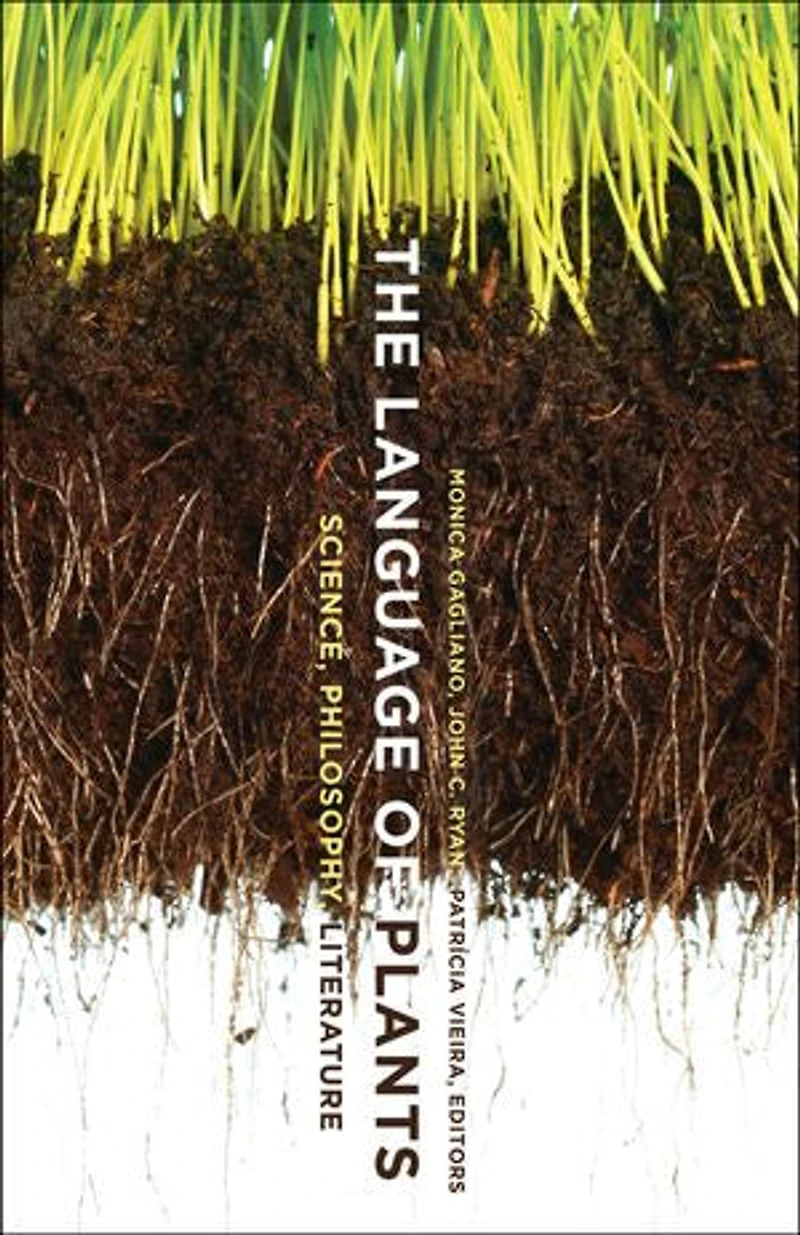
The Language of Plants: Science, Philosophy, Literature in Brampton, ON
Current price: $32.59
Original price: $40.72
Coles
The Language of Plants: Science, Philosophy, Literature in Brampton, ON
Current price: $32.59
Original price: $40.72
Loading Inventory...
Size: Kobo eBook
*Product information and pricing may vary - to confirm current pricing, availability, shipping, and return information please contact Coles. In the event of a pricing discrepancy, the retailer's price will apply.
The eighteenth-century naturalist Erasmus Darwin (grandfather of Charles) argued that plants are animate, living beings and attributed them sensation, movement, and a certain degree of mental activity, emphasizing the continuity between humankind and plant existence. Two centuries later, the understanding of plants as active and communicative organisms has reemerged in such diverse fields as plant neurobiology, philosophical posthumanism, and ecocriticism. The Language of Plants brings together groundbreaking essays from across the disciplines to foster a dialogue between the biological sciences and the humanities and to reconsider our relation to the vegetal world in new ethical and political terms.
Viewing plants as sophisticated information-processing organisms with complex communication strategies (they can sense and respond to environmental cues and play an active role in their own survival and reproduction through chemical languages) radically transforms our notion of plants as unresponsive beings, ready to be instrumentally appropriated. By providing multifaceted understandings of plants, informed by the latest developments in evolutionary ecology, the philosophy of biology, and ecocritical theory, The Language of Plants promotes the freedom of imagination necessary for a new ecological awareness and more sustainable interactions with diverse life forms.
Contributors: Joni Adamson, Arizona State U; Nancy E. Baker, Sarah Lawrence College; Karen L. F. Houle, U of Guelph; Luce Irigaray, Centre National de la Recherche Scientifique, Paris; Erin James, U of Idaho; Richard Karban, U of California at Davis; Andr Kessler, Cornell U; Isabel Kranz, U of Vienna; Michael Marder, U of the Basque Country (UPV-EHU); Timothy Morton, Rice U; Christian Nansen, U of California at Davis; Robert A. Raguso, Cornell U; Catriona Sandilands, York U.
The eighteenth-century naturalist Erasmus Darwin (grandfather of Charles) argued that plants are animate, living beings and attributed them sensation, movement, and a certain degree of mental activity, emphasizing the continuity between humankind and plant existence. Two centuries later, the understanding of plants as active and communicative organisms has reemerged in such diverse fields as plant neurobiology, philosophical posthumanism, and ecocriticism. The Language of Plants brings together groundbreaking essays from across the disciplines to foster a dialogue between the biological sciences and the humanities and to reconsider our relation to the vegetal world in new ethical and political terms.
Viewing plants as sophisticated information-processing organisms with complex communication strategies (they can sense and respond to environmental cues and play an active role in their own survival and reproduction through chemical languages) radically transforms our notion of plants as unresponsive beings, ready to be instrumentally appropriated. By providing multifaceted understandings of plants, informed by the latest developments in evolutionary ecology, the philosophy of biology, and ecocritical theory, The Language of Plants promotes the freedom of imagination necessary for a new ecological awareness and more sustainable interactions with diverse life forms.
Contributors: Joni Adamson, Arizona State U; Nancy E. Baker, Sarah Lawrence College; Karen L. F. Houle, U of Guelph; Luce Irigaray, Centre National de la Recherche Scientifique, Paris; Erin James, U of Idaho; Richard Karban, U of California at Davis; Andr Kessler, Cornell U; Isabel Kranz, U of Vienna; Michael Marder, U of the Basque Country (UPV-EHU); Timothy Morton, Rice U; Christian Nansen, U of California at Davis; Robert A. Raguso, Cornell U; Catriona Sandilands, York U.
You May Also Like








Find at Bramalea City Centre in Brampton, ON
Visit at Bramalea City Centre in Brampton, ON