



Gifting Made Simple
Give the Gift of ChoiceClick below to purchase a Bramalea City Centre eGift Card that can be used at participating retailers at Bramalea City Centre.Purchase HereHome
the Interbellum Constitution: Union, Commerce, and Slavery Age of Federalisms
Coles
Loading Inventory...
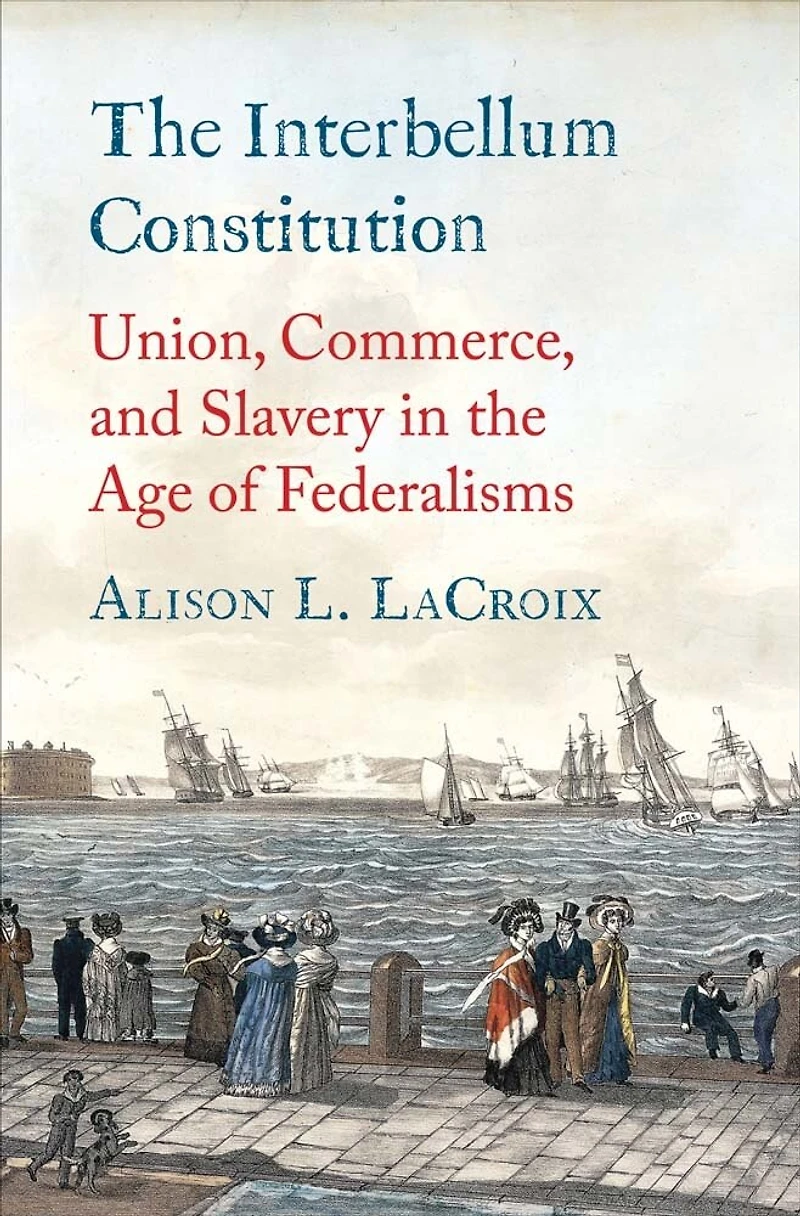
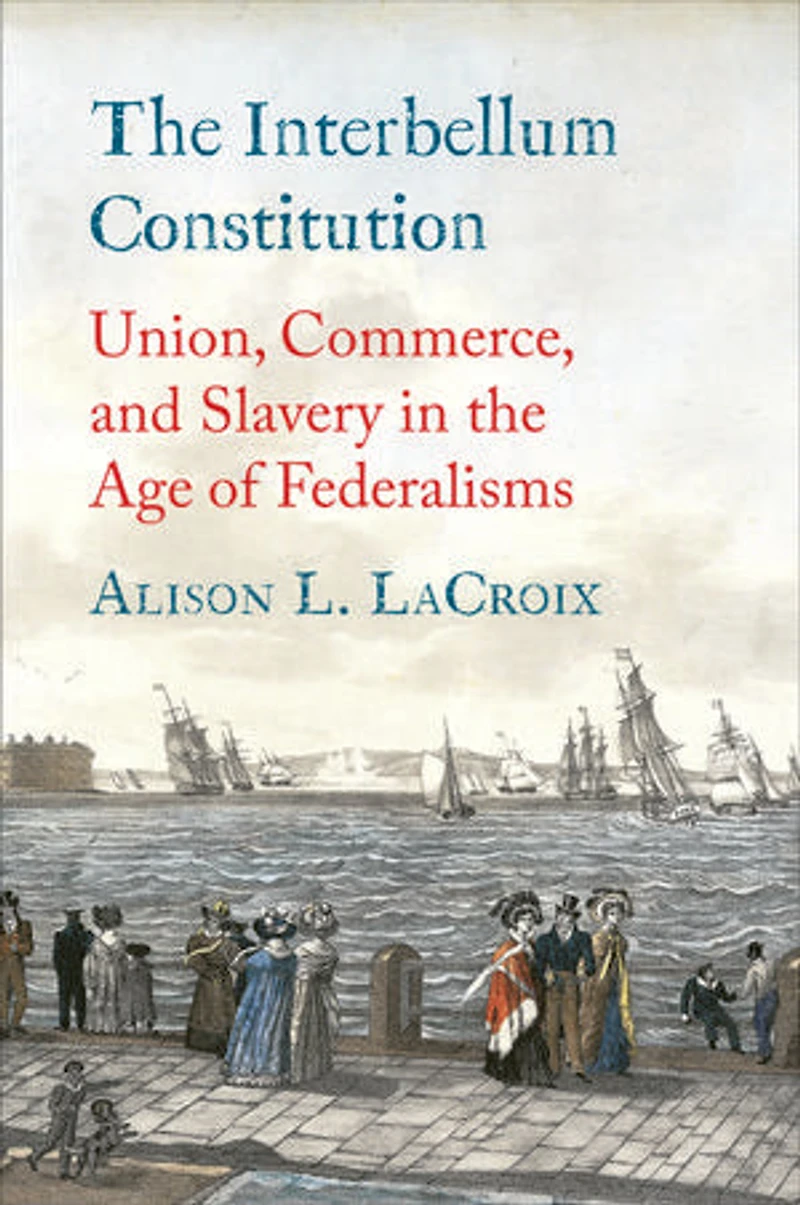
the Interbellum Constitution: Union, Commerce, and Slavery Age of Federalisms in Brampton, ON
Current price: $58.50
Coles
the Interbellum Constitution: Union, Commerce, and Slavery Age of Federalisms in Brampton, ON
Current price: $58.50
Loading Inventory...
Size: Hardcover
*Product information and pricing may vary - to confirm current pricing, availability, shipping, and return information please contact Coles. In the event of a pricing discrepancy, the retailer's price will apply.
A synthesis of legal, political, and social history to show how the post-founding generations were forced to rethink and substantially revise the U.S. constitutional vision
Between 1815 and 1861, American constitutional law and politics underwent a profound transformation. These decades of the Interbellum Constitution were a foundational period of both constitutional crisis and creativity.
The Interbellum Constitution was a set of widely shared legal and political principles, combined with a thoroughgoing commitment to investing those principles with meaning through debate. Each of these shared principles—commerce, concurrent power, and jurisdictional multiplicity—concerned what we now call “federalism,” meaning that they pertain to the relationships among multiple levels of government with varying degrees of autonomy. Alison L. LaCroix argues, however, that there existed many more federalisms in the early nineteenth century than today’s constitutional debates admit.
As LaCroix shows, this was a period of intense rethinking of the very basis of the U.S. national model—a problem debated everywhere, from newspapers and statehouses to local pubs and pulpits, ultimately leading both to civil war and to a new, more unified constitutional vision. This book is the first that synthesizes the legal, political, and social history of the early nineteenth century to show how deeply these constitutional questions dominated the discourse of the time.
A synthesis of legal, political, and social history to show how the post-founding generations were forced to rethink and substantially revise the U.S. constitutional vision
Between 1815 and 1861, American constitutional law and politics underwent a profound transformation. These decades of the Interbellum Constitution were a foundational period of both constitutional crisis and creativity.
The Interbellum Constitution was a set of widely shared legal and political principles, combined with a thoroughgoing commitment to investing those principles with meaning through debate. Each of these shared principles—commerce, concurrent power, and jurisdictional multiplicity—concerned what we now call “federalism,” meaning that they pertain to the relationships among multiple levels of government with varying degrees of autonomy. Alison L. LaCroix argues, however, that there existed many more federalisms in the early nineteenth century than today’s constitutional debates admit.
As LaCroix shows, this was a period of intense rethinking of the very basis of the U.S. national model—a problem debated everywhere, from newspapers and statehouses to local pubs and pulpits, ultimately leading both to civil war and to a new, more unified constitutional vision. This book is the first that synthesizes the legal, political, and social history of the early nineteenth century to show how deeply these constitutional questions dominated the discourse of the time.
You May Also Like











Find at Bramalea City Centre in Brampton, ON
Visit at Bramalea City Centre in Brampton, ON