



Gifting Made Simple
Give the Gift of ChoiceClick below to purchase a Bramalea City Centre eGift Card that can be used at participating retailers at Bramalea City Centre.Purchase HereHome
The Future of Zimbabwe's Agrarian Sector: Land Issues a Time Political Transition
Coles
Loading Inventory...
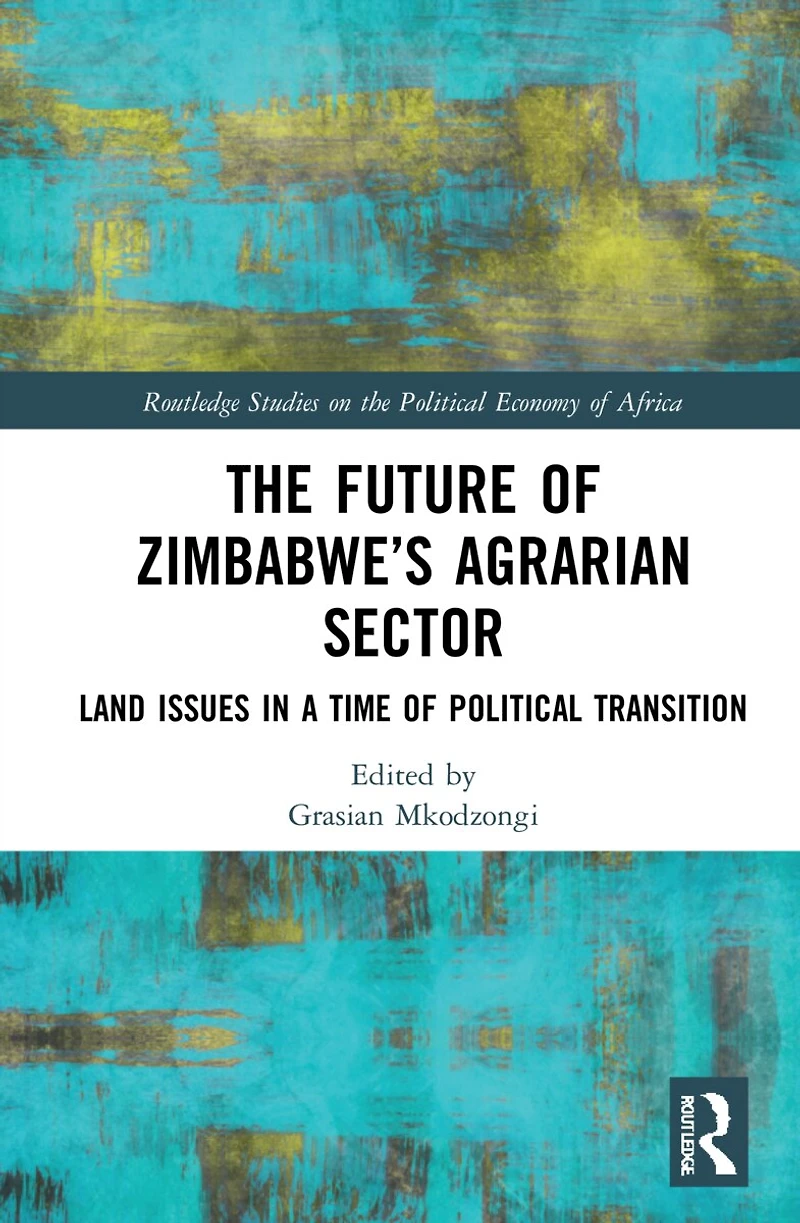
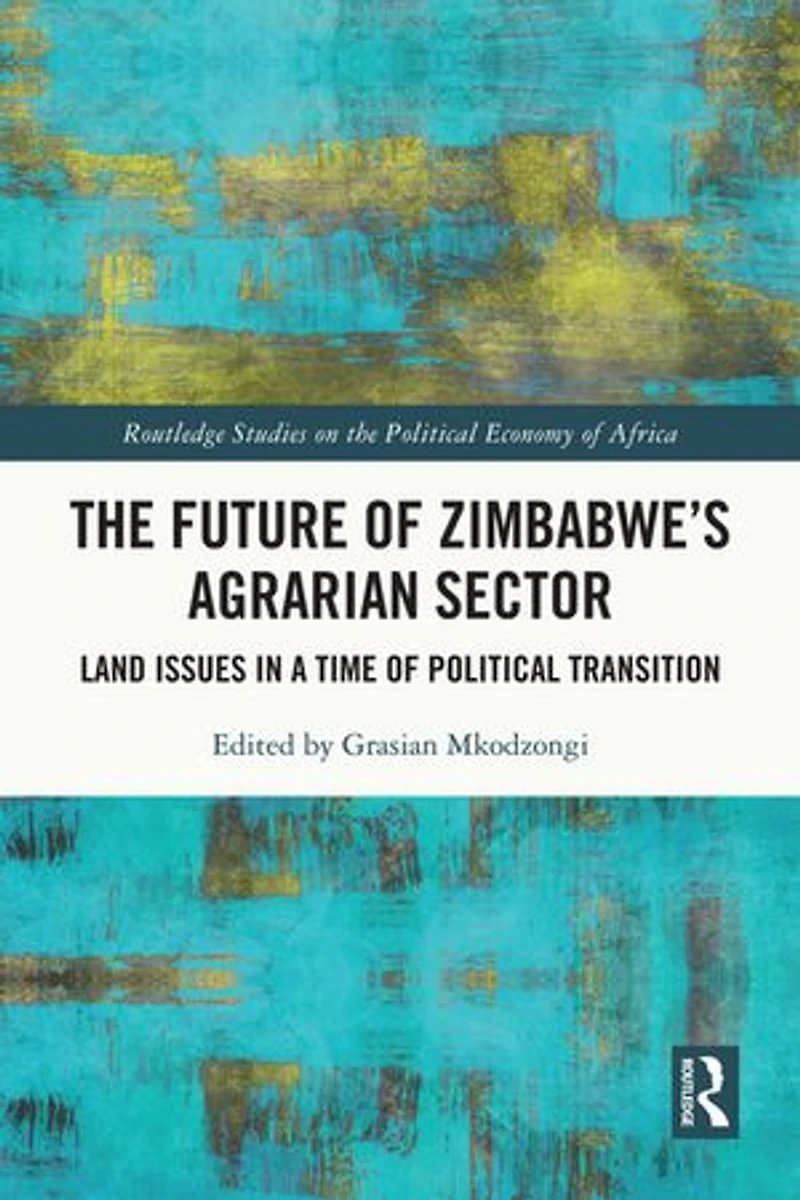
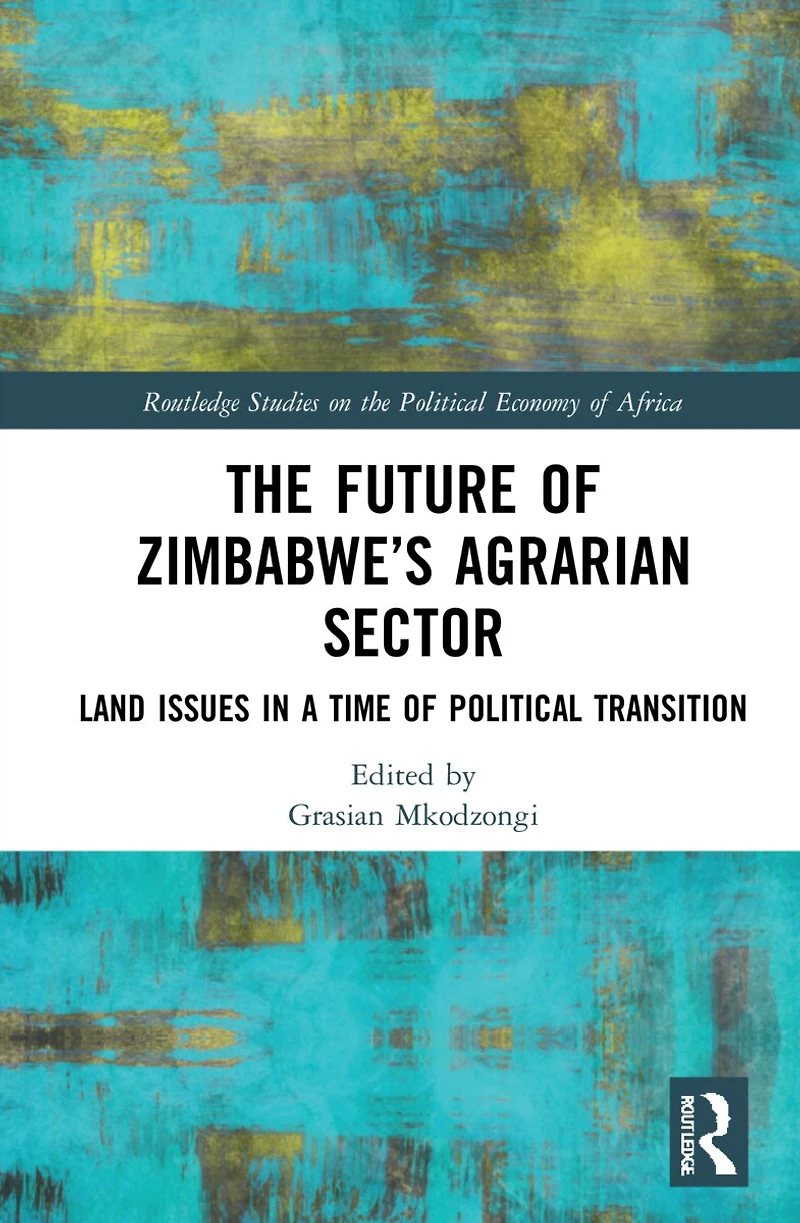
The Future of Zimbabwe's Agrarian Sector: Land Issues a Time Political Transition in Brampton, ON
Current price: $296.50
Coles
The Future of Zimbabwe's Agrarian Sector: Land Issues a Time Political Transition in Brampton, ON
Current price: $296.50
Loading Inventory...
Size: Hardcover
*Product information and pricing may vary - to confirm current pricing, availability, shipping, and return information please contact Coles. In the event of a pricing discrepancy, the retailer's price will apply.
This volume reflects on the recent political developments in Zimbabwe and their current and future impact on the agrarian sector. Utilising new empirical data gathered across Zimbabwe, the contributors shed light on the liberalisation of agricultural policy after Mugabe. Chapters examine how the adoption of neo-liberal orthodoxy in agrarian policy making will affect the new agrarian structure, looking at issues such as productivity, the impact on vulnerable groups, changing land tenure arrangements, joint ventures and land grabbing. Providing a new way of conceptualising Zimbabwe's agrarian futures, this book will be of interest to researchers, NGOs and policymakers interested in the politics of land and agriculture in Zimbabwe and southern Africa.
This volume reflects on the recent political developments in Zimbabwe and their current and future impact on the agrarian sector. Utilising new empirical data gathered across Zimbabwe, the contributors shed light on the liberalisation of agricultural policy after Mugabe. Chapters examine how the adoption of neo-liberal orthodoxy in agrarian policy making will affect the new agrarian structure, looking at issues such as productivity, the impact on vulnerable groups, changing land tenure arrangements, joint ventures and land grabbing. Providing a new way of conceptualising Zimbabwe's agrarian futures, this book will be of interest to researchers, NGOs and policymakers interested in the politics of land and agriculture in Zimbabwe and southern Africa.
You May Also Like

















Find at Bramalea City Centre in Brampton, ON
Visit at Bramalea City Centre in Brampton, ON