



Gifting Made Simple
Give the Gift of ChoiceClick below to purchase a Bramalea City Centre eGift Card that can be used at participating retailers at Bramalea City Centre.Purchase HereHome
The Formation of the Islamic Understanding of Kalāla in the Second Century AH (718–816 CE): Between Scripture and Canon
Coles
Loading Inventory...
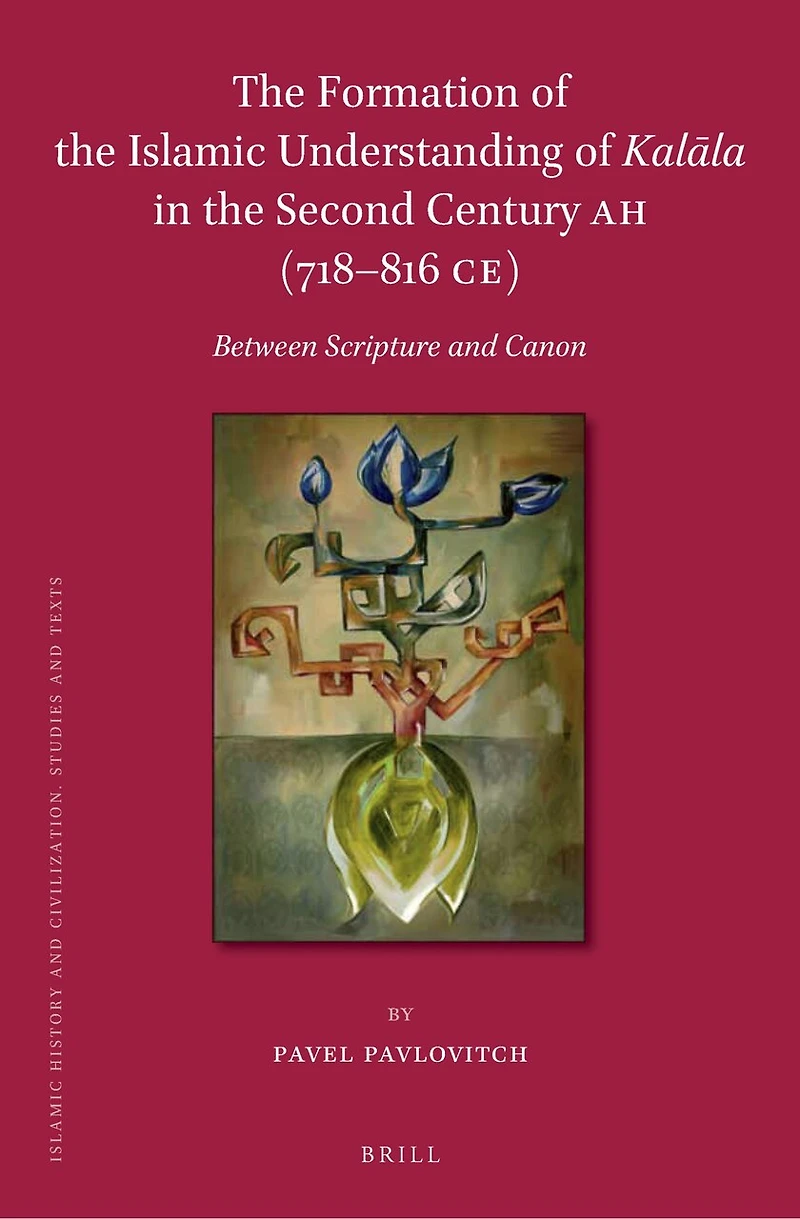
The Formation of the Islamic Understanding of Kalāla in the Second Century AH (718–816 CE): Between Scripture and Canon in Brampton, ON
Current price: $377.99
Coles
The Formation of the Islamic Understanding of Kalāla in the Second Century AH (718–816 CE): Between Scripture and Canon in Brampton, ON
Current price: $377.99
Loading Inventory...
Size: Hardcover
*Product information and pricing may vary - to confirm current pricing, availability, shipping, and return information please contact Coles. In the event of a pricing discrepancy, the retailer's price will apply.
In The Formation of the Islamic Understanding of kalāla in the Second Century AH (718-816 CE) , Pavel Pavlovitch studies traditions ( ḥadīth ) about the lexical and terminological meaning of the Quranic vocable kalāla . Attempts to understand kalāla began with acknowledging its unintelligibility but ultimately brought into existence a capacious body of interpretative ḥadīth , associated with early Islamic authorities. The analysis of these traditions affords insights into the changing conception of scripture during the first two Islamic centuries, the early history of Islamic exegesis and jurisprudence, and varying scholarly attitudes towards constituent sources of Islamic law. The book highlights the importance of coherent methodology of dating and reconstructing Muslim traditions according to their lines of transmission ( isnāds ) and their narrative content ( matns ).
In The Formation of the Islamic Understanding of kalāla in the Second Century AH (718-816 CE) , Pavel Pavlovitch studies traditions ( ḥadīth ) about the lexical and terminological meaning of the Quranic vocable kalāla . Attempts to understand kalāla began with acknowledging its unintelligibility but ultimately brought into existence a capacious body of interpretative ḥadīth , associated with early Islamic authorities. The analysis of these traditions affords insights into the changing conception of scripture during the first two Islamic centuries, the early history of Islamic exegesis and jurisprudence, and varying scholarly attitudes towards constituent sources of Islamic law. The book highlights the importance of coherent methodology of dating and reconstructing Muslim traditions according to their lines of transmission ( isnāds ) and their narrative content ( matns ).
You May Also Like















Find at Bramalea City Centre in Brampton, ON
Visit at Bramalea City Centre in Brampton, ON