



Gifting Made Simple
Give the Gift of ChoiceClick below to purchase a Bramalea City Centre eGift Card that can be used at participating retailers at Bramalea City Centre.Purchase HereHome
the Filthiest Village Europe: Grassroots Ecology and Collapse of East Germany
Coles
Loading Inventory...
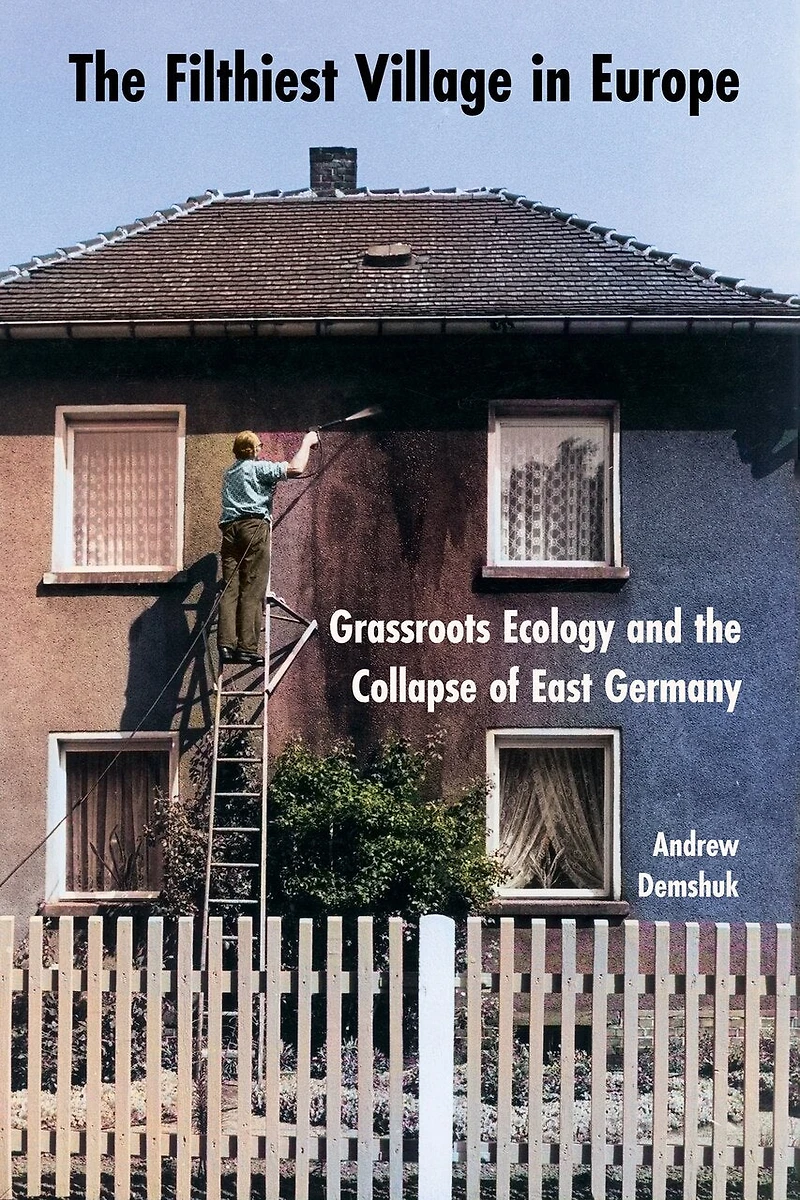


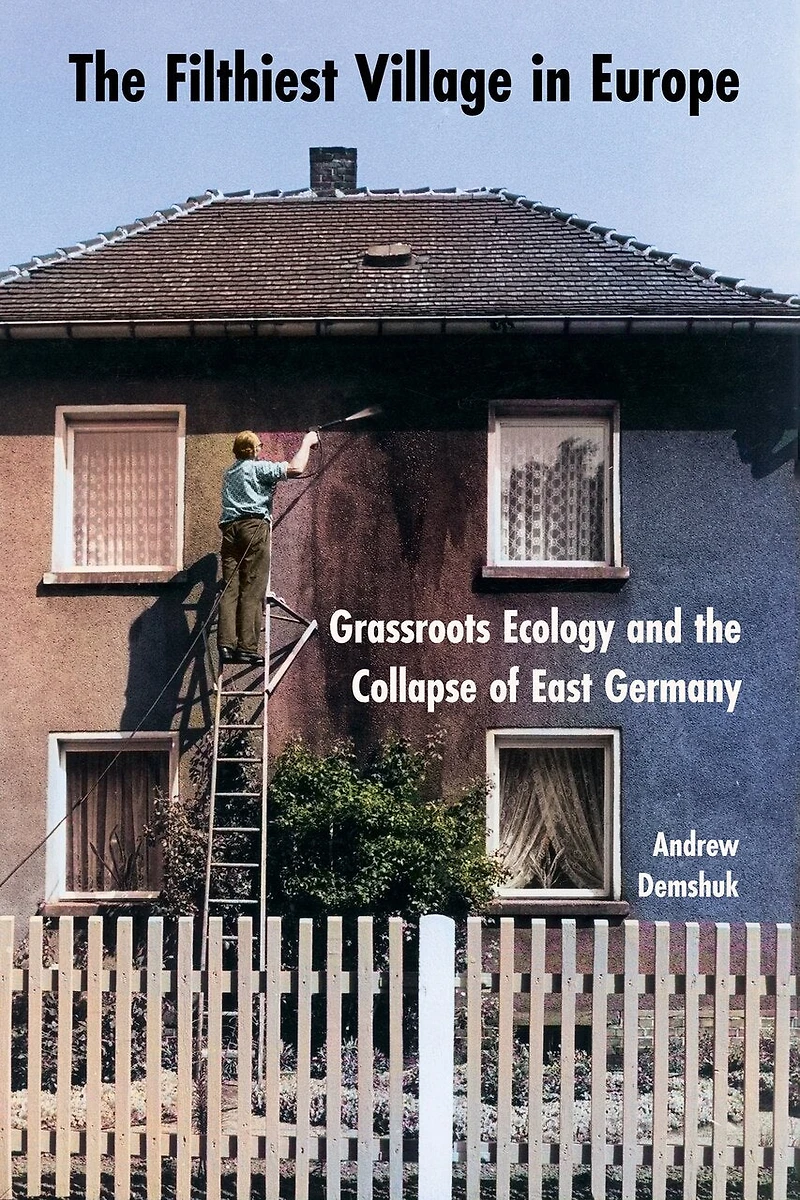
the Filthiest Village Europe: Grassroots Ecology and Collapse of East Germany in Brampton, ON
Current price: $195.95
Coles
the Filthiest Village Europe: Grassroots Ecology and Collapse of East Germany in Brampton, ON
Current price: $195.95
Loading Inventory...
Size: Hardcover
*Product information and pricing may vary - to confirm current pricing, availability, shipping, and return information please contact Coles. In the event of a pricing discrepancy, the retailer's price will apply.
The Filthiest Village in Europe traces how a community shrouded by "industrial fog," at the brink of gaping coal pits, became a symbol that galvanized grassroots ecology—campaigns by diverse local actors that exposed environmental and economic crises East Germany's political system could not resolve. Notoriously known by the late 1980s as "the filthiest village in Europe," Mölbis suffocated downwind from the massively polluting carbochemical Espenhain plant. Applying a myriad of private collections, interviews, and untapped archival sources, Andrew Demshuk reveals how pastors, parents, officials, inspectors, workers, and spies negotiated ossified party structures whose inability to reform was showcased by ever-worsening environmental conditions. After peaceful protests a few kilometers north in Leipzig triggered a revolution, pre-1989 grassroots players launched innovative reconstruction programs with financial and organizational expertise from West Germans. Together, they transformed Europe's filthiest village into a healthy place to live and imbued it with new symbolism, turning it into a sign of hope. The political will and social engagement that saved Mölbis and rejuvenated the surrounding wasteland can inform how to revitalize other postindustrial "filthy places" in our world today.
The Filthiest Village in Europe traces how a community shrouded by "industrial fog," at the brink of gaping coal pits, became a symbol that galvanized grassroots ecology—campaigns by diverse local actors that exposed environmental and economic crises East Germany's political system could not resolve. Notoriously known by the late 1980s as "the filthiest village in Europe," Mölbis suffocated downwind from the massively polluting carbochemical Espenhain plant. Applying a myriad of private collections, interviews, and untapped archival sources, Andrew Demshuk reveals how pastors, parents, officials, inspectors, workers, and spies negotiated ossified party structures whose inability to reform was showcased by ever-worsening environmental conditions. After peaceful protests a few kilometers north in Leipzig triggered a revolution, pre-1989 grassroots players launched innovative reconstruction programs with financial and organizational expertise from West Germans. Together, they transformed Europe's filthiest village into a healthy place to live and imbued it with new symbolism, turning it into a sign of hope. The political will and social engagement that saved Mölbis and rejuvenated the surrounding wasteland can inform how to revitalize other postindustrial "filthy places" in our world today.
You May Also Like











Find at Bramalea City Centre in Brampton, ON
Visit at Bramalea City Centre in Brampton, ON