



Gifting Made Simple
Give the Gift of ChoiceClick below to purchase a Bramalea City Centre eGift Card that can be used at participating retailers at Bramalea City Centre.Purchase HereHome
The Exodus Pattern in the Bible
Coles
Loading Inventory...
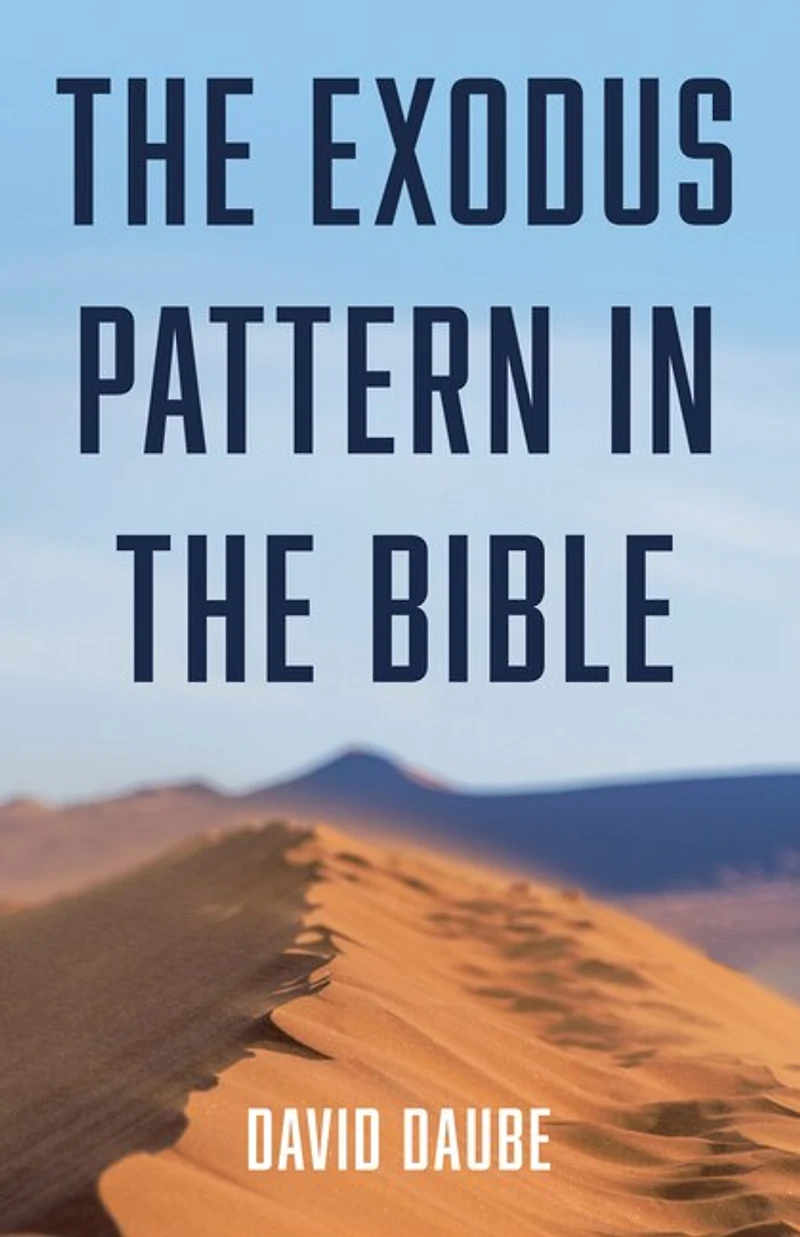
The Exodus Pattern in the Bible in Brampton, ON
Current price: $19.09
Coles
The Exodus Pattern in the Bible in Brampton, ON
Current price: $19.09
Loading Inventory...
Size: Paperback
*Product information and pricing may vary - to confirm current pricing, availability, shipping, and return information please contact Coles. In the event of a pricing discrepancy, the retailer's price will apply.
The exodus story--telling how the Lord delivered Israel from Pharaoh, and how Israel in consequence became the people of the Lord--set a pattern which determined the thinking of both Old and New Testament writers. Professor Daube shows how the authors of the story were influenced by the social laws of their time: for it was the right and duty of a strong and loyal man to redeem an enslaved kinsman, who would then owe allegiance to his rescuer. St. Paul takes over this model when he says that those made free from sin become servants to righteousness. Entire narratives are made to approximate to the pattern: it seems to be a factor in the story of Jacob and Laban, and it is very clearly seen in that of the Ark with the Philistines. Professor Daube's demonstration of the vitality of individual notions from the exodus story and of the general pattern is illuminating, and his exposition of the legal ideas underlying it is no less so. Methods of relative dating are discussed, arising out of the fact that a considerable number of these social laws have been transmitted in sources later than the exodus story itself.
The exodus story--telling how the Lord delivered Israel from Pharaoh, and how Israel in consequence became the people of the Lord--set a pattern which determined the thinking of both Old and New Testament writers. Professor Daube shows how the authors of the story were influenced by the social laws of their time: for it was the right and duty of a strong and loyal man to redeem an enslaved kinsman, who would then owe allegiance to his rescuer. St. Paul takes over this model when he says that those made free from sin become servants to righteousness. Entire narratives are made to approximate to the pattern: it seems to be a factor in the story of Jacob and Laban, and it is very clearly seen in that of the Ark with the Philistines. Professor Daube's demonstration of the vitality of individual notions from the exodus story and of the general pattern is illuminating, and his exposition of the legal ideas underlying it is no less so. Methods of relative dating are discussed, arising out of the fact that a considerable number of these social laws have been transmitted in sources later than the exodus story itself.
You May Also Like











Find at Bramalea City Centre in Brampton, ON
Visit at Bramalea City Centre in Brampton, ON