



Gifting Made Simple
Give the Gift of ChoiceClick below to purchase a Bramalea City Centre eGift Card that can be used at participating retailers at Bramalea City Centre.Purchase HereHome
The Croatian Spring: Nationalism, Repression And Foreign Policy Under Tito
Coles
Loading Inventory...
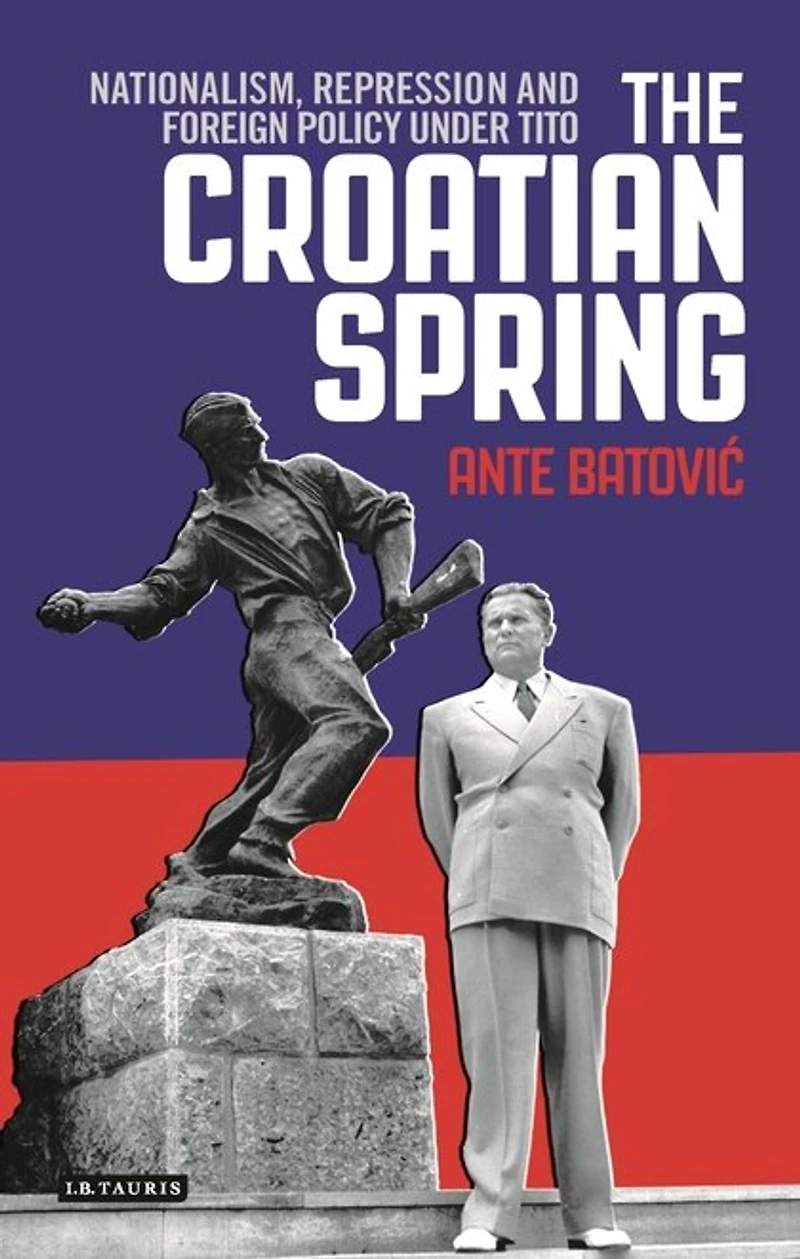

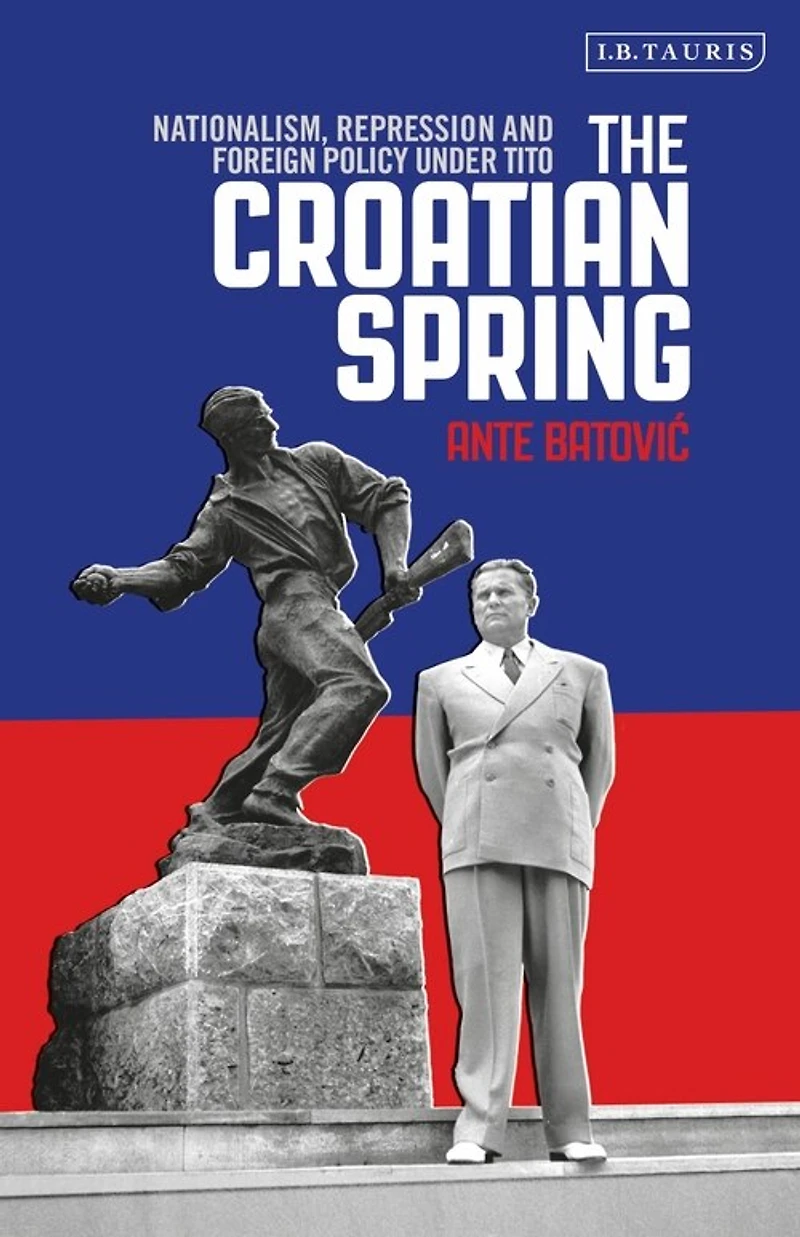
The Croatian Spring: Nationalism, Repression And Foreign Policy Under Tito in Brampton, ON
Current price: $255.50
Coles
The Croatian Spring: Nationalism, Repression And Foreign Policy Under Tito in Brampton, ON
Current price: $255.50
Loading Inventory...
Size: Hardcover
*Product information and pricing may vary - to confirm current pricing, availability, shipping, and return information please contact Coles. In the event of a pricing discrepancy, the retailer's price will apply.
Nationalism is a key topic within Balkan Studies, and one of the driving forces behind the bloody and difficult history of the region. Using primary sources not previously utilized by western scholars, this book documents the 'Croatian Spring' - a national and liberal movement that began in the mid-sixties after the fall of the vice president and head of the Yugoslav secret police Aleksandar Rankovic. The author chronicles these developments of democratisation and de-centralisation of communist Yugoslavia, placing them in the wider context of the Cold War and Yugoslav relations with the Soviet Union and the UnitedStates. Tito managed to balance national stability and his relations with East and West, until he felt that the national-liberal movements challenged his authority, and thus threaten the very foundations of the Yugoslav state. From late 1971 onwards, the liberal political and cultural classes of Croatia and other republics were abruptly purged, impoverishing Yugoslav leadership for subsequent decades.Batovic also considers the role of the West, who felt a centralised and stable Yugoslavia was in their interests and quickly accommodated themselves to the repression of the reformist movement.
Nationalism is a key topic within Balkan Studies, and one of the driving forces behind the bloody and difficult history of the region. Using primary sources not previously utilized by western scholars, this book documents the 'Croatian Spring' - a national and liberal movement that began in the mid-sixties after the fall of the vice president and head of the Yugoslav secret police Aleksandar Rankovic. The author chronicles these developments of democratisation and de-centralisation of communist Yugoslavia, placing them in the wider context of the Cold War and Yugoslav relations with the Soviet Union and the UnitedStates. Tito managed to balance national stability and his relations with East and West, until he felt that the national-liberal movements challenged his authority, and thus threaten the very foundations of the Yugoslav state. From late 1971 onwards, the liberal political and cultural classes of Croatia and other republics were abruptly purged, impoverishing Yugoslav leadership for subsequent decades.Batovic also considers the role of the West, who felt a centralised and stable Yugoslavia was in their interests and quickly accommodated themselves to the repression of the reformist movement.















Find at Bramalea City Centre in Brampton, ON
Visit at Bramalea City Centre in Brampton, ON