



Gifting Made Simple
Give the Gift of ChoiceClick below to purchase a Bramalea City Centre eGift Card that can be used at participating retailers at Bramalea City Centre.Purchase HereHome
The Conservative Party Wales, 1945–1997
Coles
Loading Inventory...
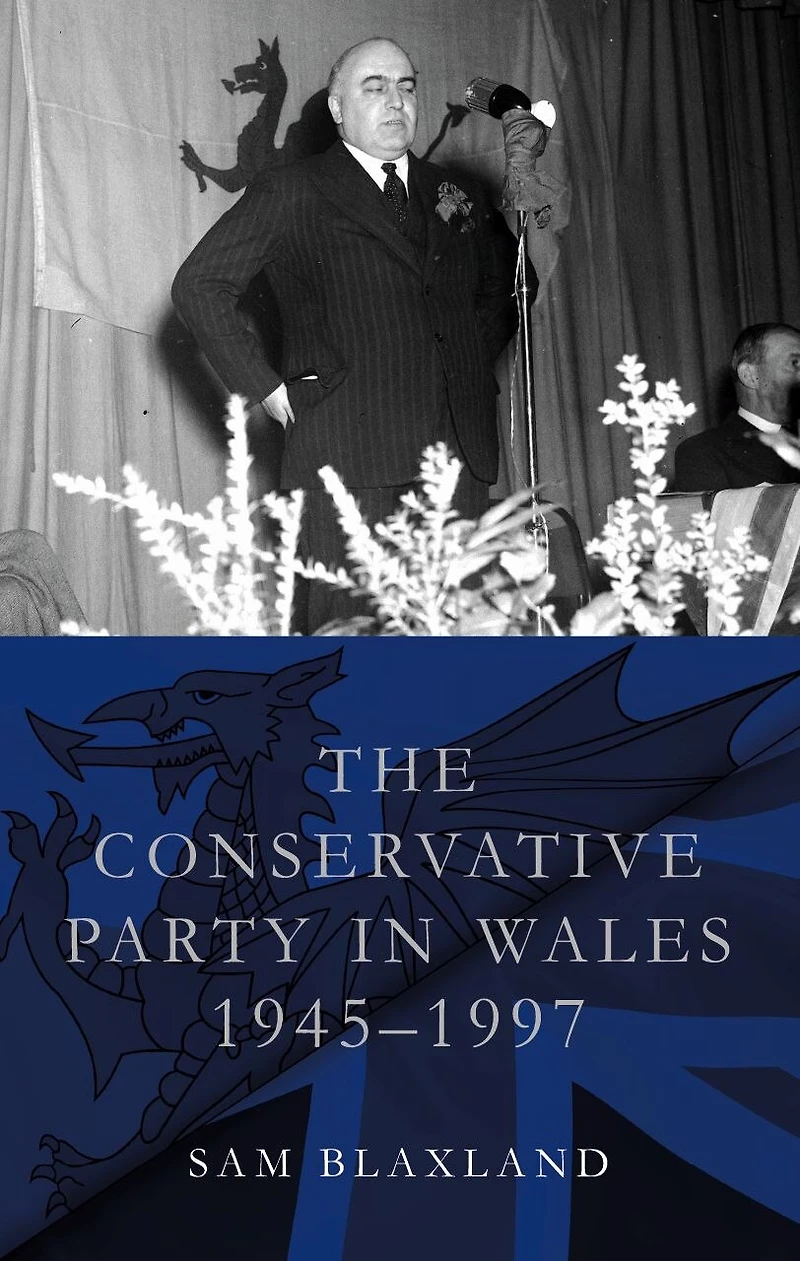
The Conservative Party Wales, 1945–1997 in Brampton, ON
Current price: $35.29
Original price: $44.10
Coles
The Conservative Party Wales, 1945–1997 in Brampton, ON
Current price: $35.29
Original price: $44.10
Loading Inventory...
Size: Kobo eBook
*Product information and pricing may vary - to confirm current pricing, availability, shipping, and return information please contact Coles. In the event of a pricing discrepancy, the retailer's price will apply.
The first book-length study of Wales’s second political party in the decades after World War II.
Wales is often considered one of the most anti-Conservative parts of Great Britain, and the party is seen as unable to connect with voters. This book offers a more nuanced perspective, interrogating why the Conservatives failed to find purchase in certain parts of the country and situating the party’s approach to the nation into the broader study of the Conservative Party. Sam Blaxland discusses how the party communicated its policies, chose its candidates, and deliberately crafted specific policies “for the nation,” including introducing the first Minister for Welsh Affairs to make Welsh a compulsory subject in schools. Adopting a holistic approach to the party, the book scrutinizes activists and prominent Tories at the grassroots and considers what they reveal about understudied aspects of Welsh history, particularly the lives of the Anglicized and socially conservative middle class.
The first book-length study of Wales’s second political party in the decades after World War II.
Wales is often considered one of the most anti-Conservative parts of Great Britain, and the party is seen as unable to connect with voters. This book offers a more nuanced perspective, interrogating why the Conservatives failed to find purchase in certain parts of the country and situating the party’s approach to the nation into the broader study of the Conservative Party. Sam Blaxland discusses how the party communicated its policies, chose its candidates, and deliberately crafted specific policies “for the nation,” including introducing the first Minister for Welsh Affairs to make Welsh a compulsory subject in schools. Adopting a holistic approach to the party, the book scrutinizes activists and prominent Tories at the grassroots and considers what they reveal about understudied aspects of Welsh history, particularly the lives of the Anglicized and socially conservative middle class.
You May Also Like












Find at Bramalea City Centre in Brampton, ON
Visit at Bramalea City Centre in Brampton, ON