



Gifting Made Simple
Give the Gift of ChoiceClick below to purchase a Bramalea City Centre eGift Card that can be used at participating retailers at Bramalea City Centre.Purchase HereHome
The Chronicles of Two West African Kingdoms: The Tārīkh Ibn Al-Mukhtār of the Songhay Empire and the Tārīkh Al-Fattāsh of the Caliphate of Ḥamdallāhi
Coles
Loading Inventory...
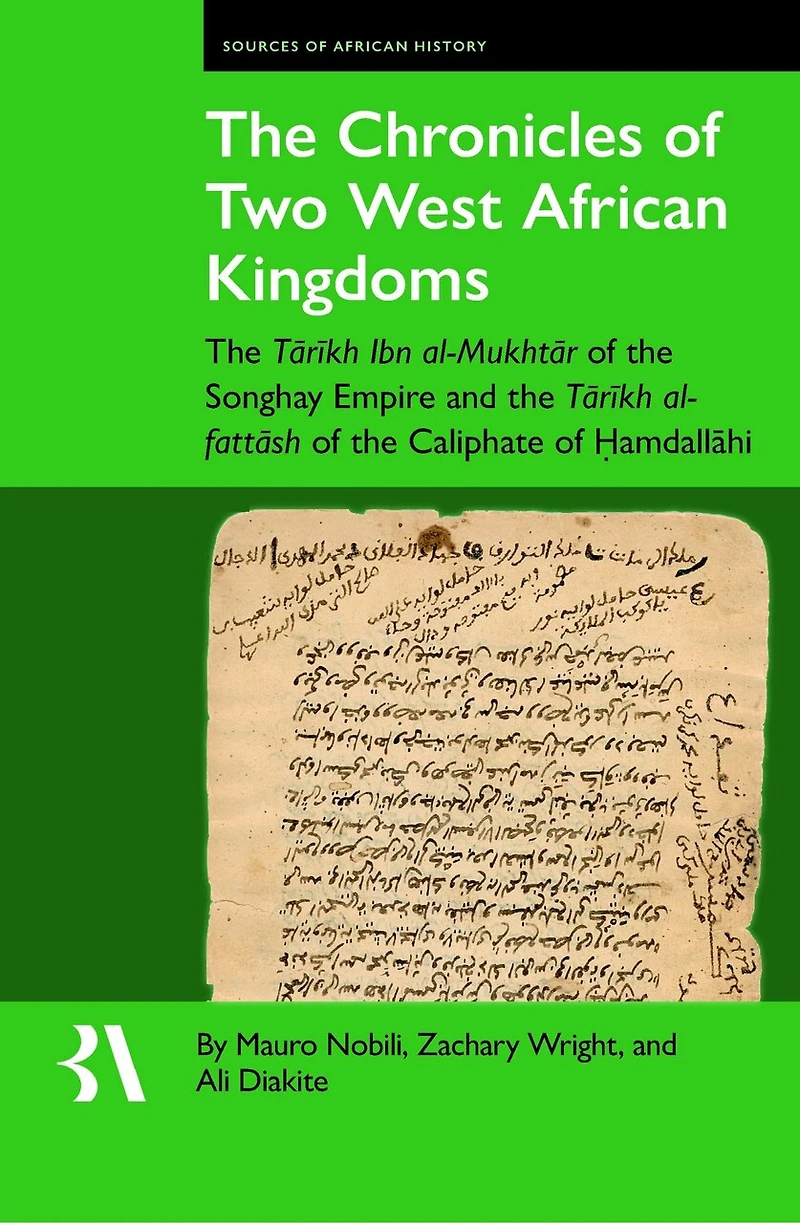
The Chronicles of Two West African Kingdoms: The Tārīkh Ibn Al-Mukhtār of the Songhay Empire and the Tārīkh Al-Fattāsh of the Caliphate of Ḥamdallāhi in Brampton, ON
Current price: $229.95
Coles
The Chronicles of Two West African Kingdoms: The Tārīkh Ibn Al-Mukhtār of the Songhay Empire and the Tārīkh Al-Fattāsh of the Caliphate of Ḥamdallāhi in Brampton, ON
Current price: $229.95
Loading Inventory...
Size: Hardcover
*Product information and pricing may vary - to confirm current pricing, availability, shipping, and return information please contact Coles. In the event of a pricing discrepancy, the retailer's price will apply.
The Chronicles of Two West African Kingdoms presents a new reading of West African history from the fifteenth to the nineteenth centuries. Based on close analysis of Arabic manuscripts from Timbuktu and other regions, this volume provides key historical context from the Songhay Empire through the Caliphate of Ḥamdallāhi, along with translations and Arabic editions of the long-obscured Tārīkh Ibn al-Mukhtār in parallel with the later production known as the Tārīkh al-fattāsh. The central observation that emerges from these texts is that Muslim scholars in premodern West Africa, who saw themselves as constitutive to the powerful kingdoms in the Western Sudan, claimed almost unprecedented authority to shape reality through narration.
The Chronicles of Two West African Kingdoms presents a new reading of West African history from the fifteenth to the nineteenth centuries. Based on close analysis of Arabic manuscripts from Timbuktu and other regions, this volume provides key historical context from the Songhay Empire through the Caliphate of Ḥamdallāhi, along with translations and Arabic editions of the long-obscured Tārīkh Ibn al-Mukhtār in parallel with the later production known as the Tārīkh al-fattāsh. The central observation that emerges from these texts is that Muslim scholars in premodern West Africa, who saw themselves as constitutive to the powerful kingdoms in the Western Sudan, claimed almost unprecedented authority to shape reality through narration.










Find at Bramalea City Centre in Brampton, ON
Visit at Bramalea City Centre in Brampton, ON