



Gifting Made Simple
Give the Gift of ChoiceClick below to purchase a Bramalea City Centre eGift Card that can be used at participating retailers at Bramalea City Centre.Purchase HereHome
Teaching for Complex Systems Thinking
Coles
Loading Inventory...
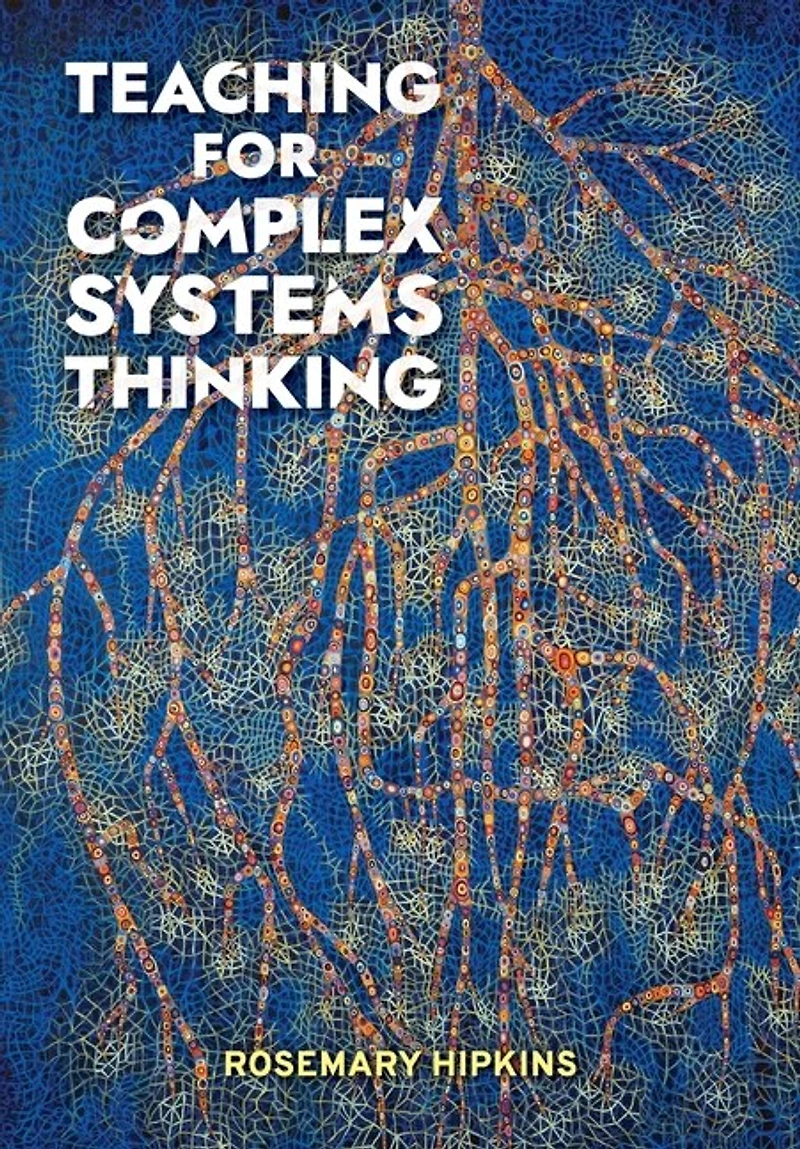
Teaching for Complex Systems Thinking in Brampton, ON
Current price: $65.00
Coles
Teaching for Complex Systems Thinking in Brampton, ON
Current price: $65.00
Loading Inventory...
Size: Large Print
*Product information and pricing may vary - to confirm current pricing, availability, shipping, and return information please contact Coles. In the event of a pricing discrepancy, the retailer's price will apply.
What do a short car trip, a pandemic, the wood-wide fungal web, a challenging learning experience, a storm, transport logistics, and the language(s) we speak have in common? All of them are systems, or multiple sets of systems within systems. What happens in any set of circumstances will depend on a mix of initial conditions, complexity dynamics, and the odd wild card (e.g., a chance event). While it is possible to model and predict what might or perhaps should happen, it is impossible to be certain. "It depends" thinking needs to be applied. Future-focused literature identifies complex systems thinking as an essential capability for citizenship, and this book sets out to show teachers how they might foster it-for themselves as well as for their students. There are implications for pedagogy, curriculum, and assessment. Multiple examples show what changes might look like, for students of different ages, and in different subject contexts. This is a book of several layers: It is both practical and philosophical. There is explicit discussion of parallels between complexity science and indigenous knowledge systems (specifically mātauranga Māori in the New Zealand context). The many examples are designed to appeal to general readers with an interest in the complex challenges facing contemporary societies, as well as to teachers at all levels of the education system.
What do a short car trip, a pandemic, the wood-wide fungal web, a challenging learning experience, a storm, transport logistics, and the language(s) we speak have in common? All of them are systems, or multiple sets of systems within systems. What happens in any set of circumstances will depend on a mix of initial conditions, complexity dynamics, and the odd wild card (e.g., a chance event). While it is possible to model and predict what might or perhaps should happen, it is impossible to be certain. "It depends" thinking needs to be applied. Future-focused literature identifies complex systems thinking as an essential capability for citizenship, and this book sets out to show teachers how they might foster it-for themselves as well as for their students. There are implications for pedagogy, curriculum, and assessment. Multiple examples show what changes might look like, for students of different ages, and in different subject contexts. This is a book of several layers: It is both practical and philosophical. There is explicit discussion of parallels between complexity science and indigenous knowledge systems (specifically mātauranga Māori in the New Zealand context). The many examples are designed to appeal to general readers with an interest in the complex challenges facing contemporary societies, as well as to teachers at all levels of the education system.
You May Also Like













Find at Bramalea City Centre in Brampton, ON
Visit at Bramalea City Centre in Brampton, ON