



Gifting Made Simple
Give the Gift of ChoiceClick below to purchase a Bramalea City Centre eGift Card that can be used at participating retailers at Bramalea City Centre.Purchase HereHome
Supranational Citizenship and the Challenge of Diversity: Immigrants, Citizens and Member States in the EU
Coles
Loading Inventory...
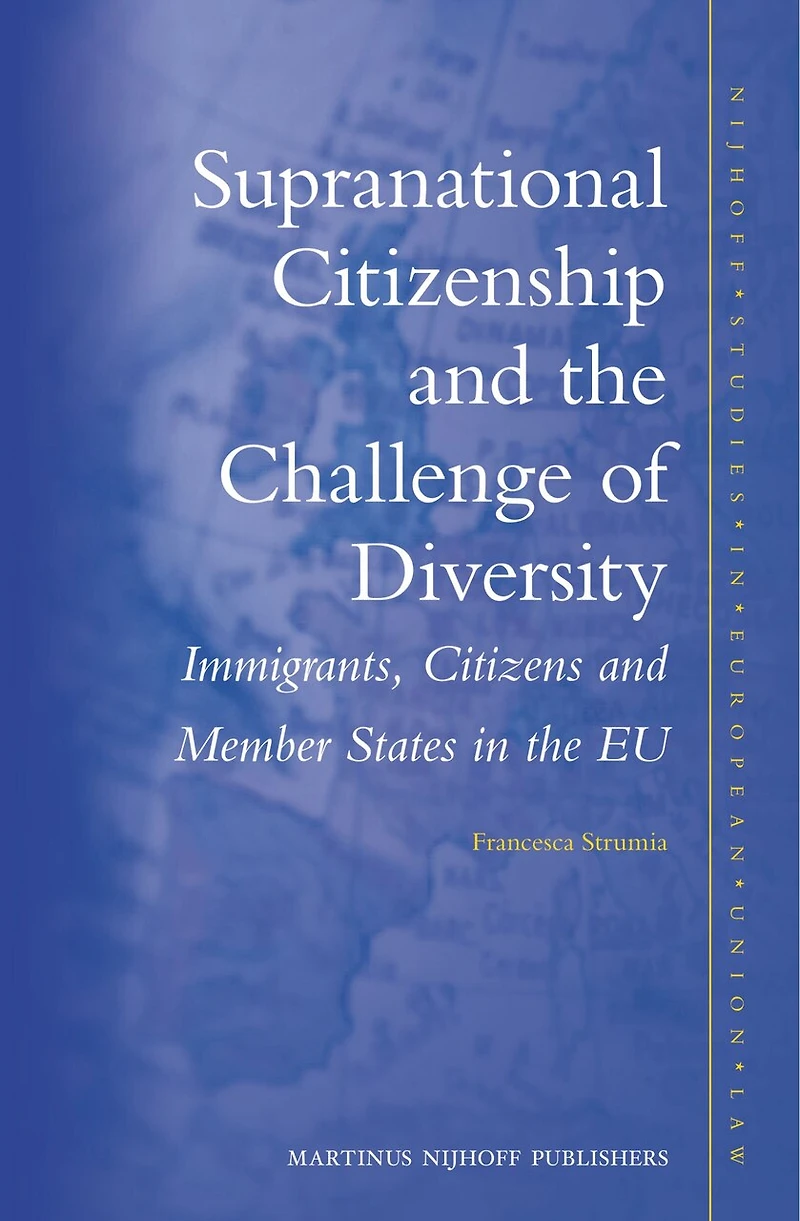
Supranational Citizenship and the Challenge of Diversity: Immigrants, Citizens and Member States in the EU in Brampton, ON
Current price: $232.99
Coles
Supranational Citizenship and the Challenge of Diversity: Immigrants, Citizens and Member States in the EU in Brampton, ON
Current price: $232.99
Loading Inventory...
Size: Hardcover
*Product information and pricing may vary - to confirm current pricing, availability, shipping, and return information please contact Coles. In the event of a pricing discrepancy, the retailer's price will apply.
In Supranational Citizenship and the Challenge of Diversity Francesca Strumia explores the potential of European citizenship as a legal construct, and as a marker of group boundaries, for filtering internal and external diversities in the European Union. Adopting comparative federalism methodology, and drawing on insights from the international relations literature on the diffusion of norms, the author questions the impact of European citizenship on insider/outsider divides in the EU, as experienced by immigrants, set by member states and perceived by “native” citizens. The book proposes a novel argument about supranational citizenship as mutual recognition of belonging. This argument has important implications for the constitution of insider/outsider divides and for the reconciliation of multiple levels of diversity in the EU.
In Supranational Citizenship and the Challenge of Diversity Francesca Strumia explores the potential of European citizenship as a legal construct, and as a marker of group boundaries, for filtering internal and external diversities in the European Union. Adopting comparative federalism methodology, and drawing on insights from the international relations literature on the diffusion of norms, the author questions the impact of European citizenship on insider/outsider divides in the EU, as experienced by immigrants, set by member states and perceived by “native” citizens. The book proposes a novel argument about supranational citizenship as mutual recognition of belonging. This argument has important implications for the constitution of insider/outsider divides and for the reconciliation of multiple levels of diversity in the EU.
You May Also Like














Find at Bramalea City Centre in Brampton, ON
Visit at Bramalea City Centre in Brampton, ON