



Gifting Made Simple
Give the Gift of ChoiceClick below to purchase a Bramalea City Centre eGift Card that can be used at participating retailers at Bramalea City Centre.Purchase HereHome
Sudoku Kuromasu - 200 Easy to Medium Puzzles 10x10 (Volume 9)
Coles
Loading Inventory...
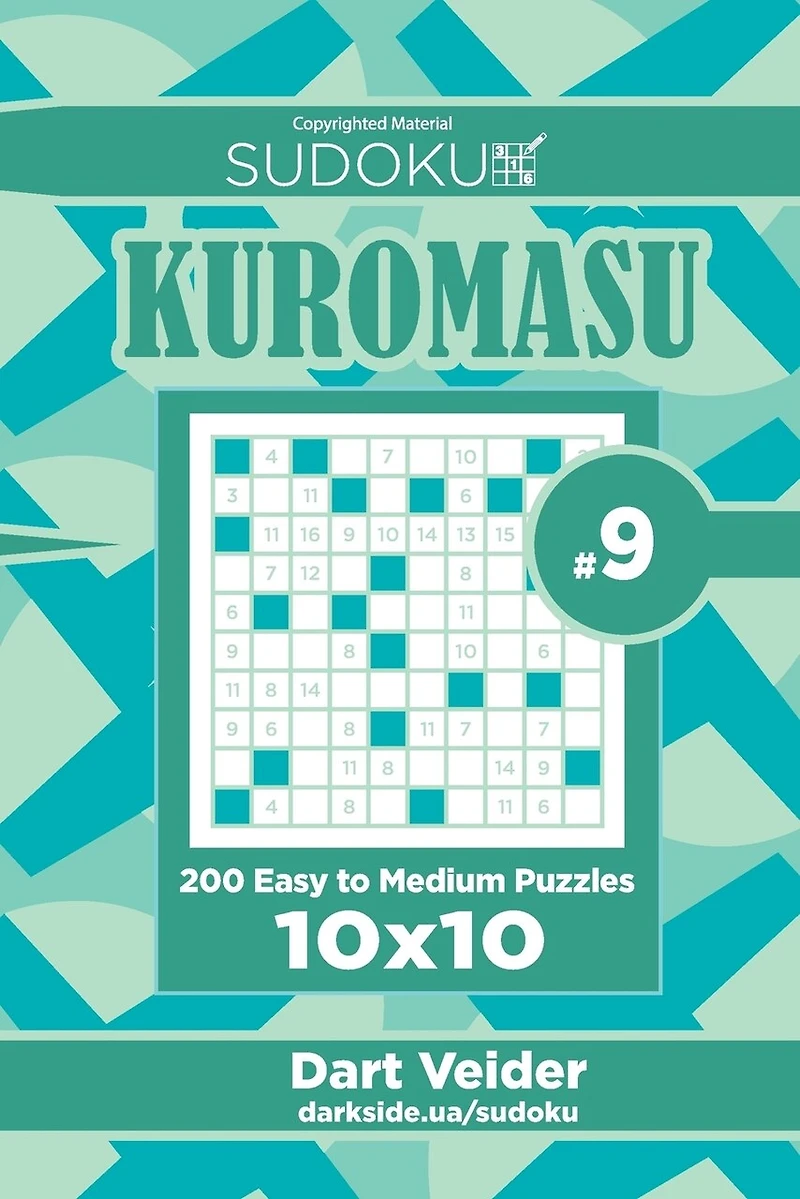
Sudoku Kuromasu - 200 Easy to Medium Puzzles 10x10 (Volume 9) in Brampton, ON
Current price: $9.50
Coles
Sudoku Kuromasu - 200 Easy to Medium Puzzles 10x10 (Volume 9) in Brampton, ON
Current price: $9.50
Loading Inventory...
Size: Paperback
*Product information and pricing may vary - to confirm current pricing, availability, shipping, and return information please contact Coles. In the event of a pricing discrepancy, the retailer's price will apply.
Kuromasu (from Japanese " kuromasu wa doko da ", literally " Where is Black Cells? "; also known as " Kurodoko ") is played on a rectangular grid. Some of these cells have numbers in them. Each cell may be either black or white. The object is to determine what type each cell is.
The following rules determine which cells are which:
- Each number on the board represents the number of white cells that can be seen from that cell, including itself. A cell can be seen from another cell if they are in the same row or column, and there are no black cells between them in that row or column.
- Numbered cells may not be black.
- No two black cells may be horizontally or vertically adjacent.
- All the white cells must be connected horizontally or vertically.
Kuromasu (from Japanese " kuromasu wa doko da ", literally " Where is Black Cells? "; also known as " Kurodoko ") is played on a rectangular grid. Some of these cells have numbers in them. Each cell may be either black or white. The object is to determine what type each cell is.
The following rules determine which cells are which:
- Each number on the board represents the number of white cells that can be seen from that cell, including itself. A cell can be seen from another cell if they are in the same row or column, and there are no black cells between them in that row or column.
- Numbered cells may not be black.
- No two black cells may be horizontally or vertically adjacent.
- All the white cells must be connected horizontally or vertically.
You May Also Like








Find at Bramalea City Centre in Brampton, ON
Visit at Bramalea City Centre in Brampton, ON